
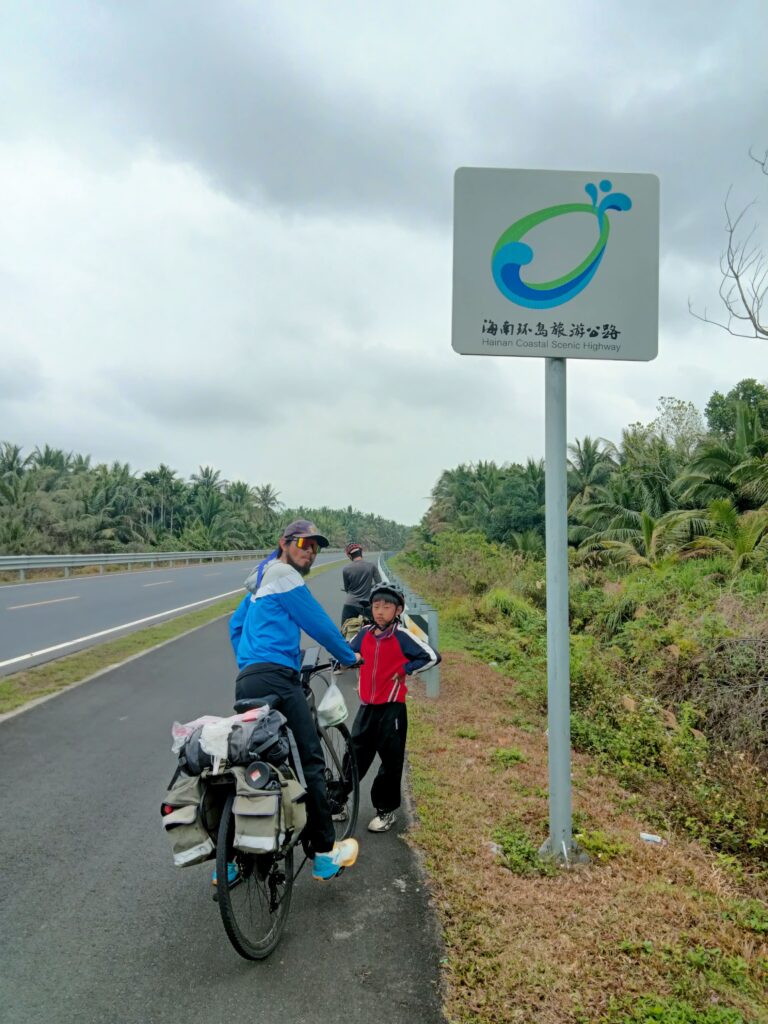
I am Eason. I am back in my office in China. It is 2026. This past month, I did something very different. I took my family to Hainan Island. We didn’t just sit on the beach. We went cycling. We cycled around the whole island. It was over 980 kilometers. My two sons were so brave. Sometimes the sun was very hot. Sometimes the wind was very strong. But we kept pedaling. As I was cycling on those long coastal roads, I looked at the streetlights and the decorative neon flex on the hotels. I thought about my work. Every meter of that silicone strip has a story. It comes from a factory, probably in Guangdong. It was made by a machine, probably an LED silicone strip extrusion machine.
Cycling around an island is a lot like the lighting industry. It is a long journey. You have to be consistent. You have to know the map. In 2026, the map of where we make these LED strips is changing. In the past, almost everything was in one small part of China. But today, the production sites are spreading out. Some are moving to Southeast Asia. Some are going to India. Some are even moving to Europe and the Middle East. As a sales engineer, I see this change every day in my order book. Today, I want to share the “Current Status” and “Distribution Trends” of this industry. If you are a buyer or a factory owner, you need to know where the heart of the industry is beating today.
1. China: The Pearl River Delta is Still the Engine Room
Even in 2026, China is the world’s biggest producer. If you want a professional LED silicone strip extrusion machine, you still come to China. The Pearl River Delta in Guangdong province is the “Silicon Valley of Lighting.” Specifically, three cities lead the world: Shenzhen, Zhongshan, and Huizhou.
I want to dive deeper into why these cities stay on top. Shenzhen is the center of “High-End Tech.” This is where the most advanced 3-color co-extrusion and smart IC strips are developed. The factories in Shenzhen don’t just make cheap lights; they make the hardware that runs them. Zhongshan, especially Guzhen town, is the “Lighting Capital.” It has the most complete supply chain in the world. Within 5 kilometers, you can find a mold maker, a silicone supplier, a PCB factory, and a packing company. This “Cluster Effect” is something I saw during my cycling trip in Hainan. When the whole family cycles together, we go faster because we help each other. The factories in Zhongshan are the same. They work together to keep the cost low.
Huizhou is where the “Big Names” are. Companies like NVC and TCL have massive production bases here. They have dozens of LED silicone strip extrusion machines running 24/7. In 2026, these China hubs are focusing on “High-Efficiency Production.” They are moving away from manual work and using more AI-controlled extruders. My clients in Shenzhen told me that they have reduced their labor by 40% in the last two years. They are fighting the rising costs by being smarter. When I cycled in Hainan, I learned that a good bike makes the hills easier. In the factory, a good machine makes the market competition easier. China still owns about 65% of the total production capacity for silicone neon flex. It is the big “Mountain” in our industry map.
2. The Rise of Southeast Asia and India: The New Frontiers
While China is the engine, the “New Frontiers” are Southeast Asia and India. In 2026, we see a big trend called “China Plus One.” Many big brands want to have a factory in China AND a factory somewhere else. This is to avoid high taxes and trade wars. Countries like Vietnam, Thailand, and Malaysia are growing very fast in 2026.
I want to dive deeper into this regional shift. Vietnam and Thailand are becoming hubs for “Export Manufacturing.” They have good ports and lower labor costs than Shenzhen. Many Chinese factory owners are opening “Sister Factories” in Vietnam. They buy the LED silicone strip extrusion machine from us in China and ship it to their Vietnam branch. This way, they can sell to the USA or Europe without the heavy “Made in China” duties. India is a different story. India has a massive “Domestic Market.” With 1.4 billion people, India wants to light up its own cities. The Indian government has a plan called “Make in India.” They give rewards to companies that build factories locally.
I visited a client in Delhi last year. He used to import 10 containers of neon flex from China every month. Now, he has five of our extrusion lines in his own factory. He is making the strips right there in India. This saves him 20% on logistics and 15% on taxes. In 2026, India’s production of LED strips is growing at 9.5% every year. This is faster than almost anywhere else. When I was cycling in Hainan, I saw how a small tailwind can make you go very fast. In India and Southeast Asia, the “Government Support” is that tailwind. It is pushing the production map to the south and west.
3. Localized Production in the Middle East and Europe
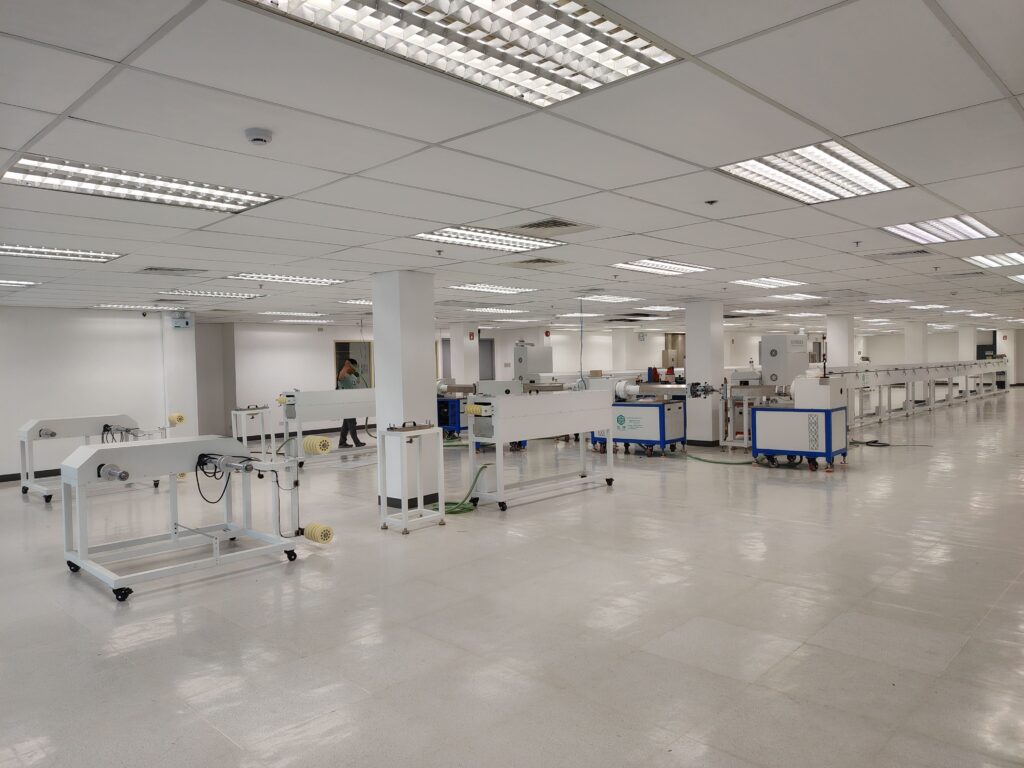
The most surprising trend in 2026 is “Localization” in high-cost regions. We are seeing more LED silicone strip extrusion machines being installed in Saudi Arabia, Turkey, and Poland. In the past, these countries only imported. But now, they want to make their own.
I want to dive deeper into why high-cost regions are starting to manufacture. First, it is about “Speed.” In 2026, architectural projects move very fast. A designer in Dubai might change the color of the 1615 neon flex at the last minute. If the strip is coming from China, it takes four weeks by ship. If there is a factory in Riyadh or Jeddah, it takes one day. This “Time Value” is worth the higher labor cost. Second, it is about “Specialization.” The Middle East needs “Extreme Heat Silicone.” Europe needs “Recyclable Eco-Silicone.” Local factories can make these small, special batches more easily than big mass-production lines in Asia.
I have a client in Poland who specializes in “Hotel Lighting.” He bought a small, high-precision LED silicone strip extrusion machine. He only makes 500 meters a day, but he sells it for a very high price. He provides “Same Day Delivery” to construction sites in Germany and France. This is a very smart business model for 2026. It is like our cycling trip. We didn’t try to be the fastest in the world. We just wanted to be the best for our family. These local factories are the best for their local markets. They provide a service that big factories in China cannot provide. This trend of “Small and Local” is growing in the Middle East and Europe, taking a bigger slice of the global production pie.
4. Market Data: Share and Change Rates in 2026
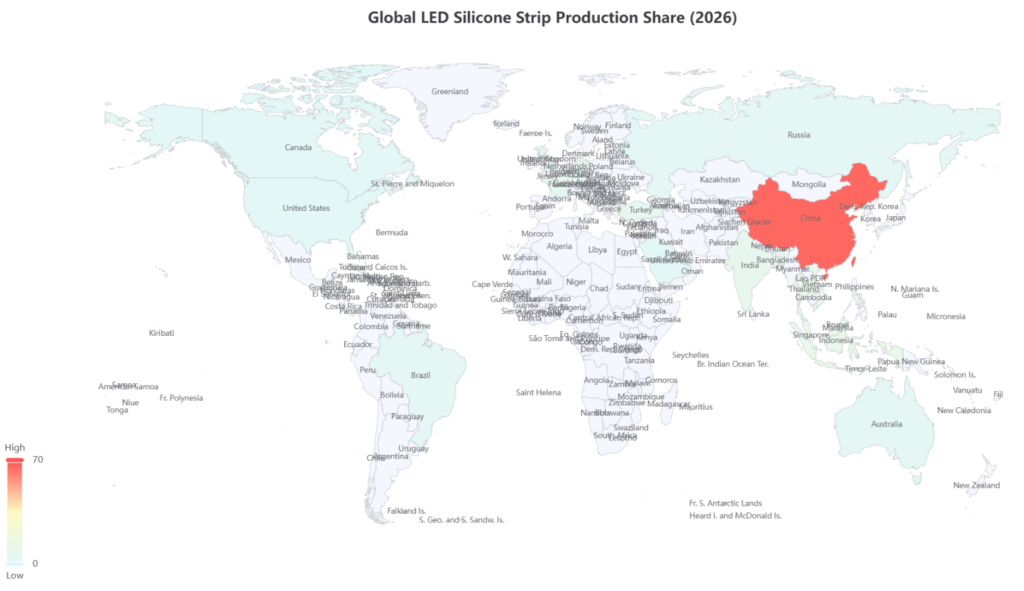
To understand the map, we need to look at the numbers. In 2026, the global market for LED silicone strips is very healthy. We are seeing more people switch from PVC to silicone because silicone is better for the environment and lasts longer. Here is the data I have collected from industry reports and our own sales tracking.
Global LED Silicone Strip Production Share (2024 vs 2026)
| Region | 2024 Market Share (%) | 2026 Market Share (%) | Change (Percentage Points) |
|---|---|---|---|
| China (Mainland) | 72.0% | 65.5% | -6.5% |
| Southeast Asia | 6.5% | 10.2% | +3.7% |
| India | 4.2% | 7.8% | +3.6% |
| Europe & Turkey | 5.8% | 6.5% | +0.7% |
| Middle East (GCC) | 1.5% | 3.2% | +1.7% |
| North America | 2.5% | 2.8% | +0.3% |
| Rest of World | 7.5% | 4.0% | -3.5% |
Production Change Rate by Region (2025-2026)
| Region | Annual Growth Rate (%) | Market Status |
|---|---|---|
| India | 12.5% | Rapidly Expanding (Domestic Demand) |
| Middle East | 10.8% | Growing (Large Projects/Infrastructure) |
| Southeast Asia | 9.4% | Growing (Export Focus) |
| China | 5.2% | Mature (Shift to Automation/High-End) |
| Europe | 4.1% | Steady (Premium/Local focus) |
| Global Average | 8.1% | Healthy Growth |
I want to dive deeper into what these numbers mean. China is losing “Share,” but not “Volume.” This is an important distinction. The world is buying more LED strips every year, so China is still making more than before. But the rest of the world is catching up. India and the Middle East have the highest growth rates. This is where the new “Gold Mines” are. If you are a machine maker like me, these are the regions where we are sending our engineers to do installations.
The negative change in the “Rest of the World” category shows that production is becoming more “Concentrated” in these new hubs. Instead of 50 small factories in 50 countries, we are seeing 10 large “Regional Hubs.” This is more efficient. When we were cycling in Hainan, we noticed that we were most efficient when we stayed in a group. The industry is doing the same. It is grouping around supply chains and big markets. The 8.1% global growth rate tells me that the silicone neon flex business is still a great investment in 2026. It is not a dying industry. It is a maturing one.
5. The Role of Smart Hardware in Distribution Trends
Why is it possible for a factory in Saudi Arabia or Poland to compete with China? In the old days, you needed 100 skilled workers to run a factory. Today, you just need a smart LED silicone strip extrusion machine. Hardware is the “Equalizer.”
I want to dive deeper into how technology is changing the map. In 2026, our machines are much easier to use. We have integrated “AI Quality Control.” This means the machine has cameras that look at the strip as it comes out. If the color is slightly wrong, or if there is a tiny bubble, the machine adjusts itself. You don’t need a master engineer with 20 years of experience to watch the line every second. This “De-skilling” of the production process is what allows a new factory in India or Vietnam to produce high-quality 1212 or 1615 strips from day one.
Also, the machines are more compact. You don’t need a massive 10,000 square meter hall anymore. You can fit a professional 3-color co-extrusion line in a 500 square meter space. This makes it easier for companies in Europe or the Middle East to set up production in expensive urban areas. They can be close to their customers. When I was cycling, my smart watch told me my heart rate, my speed, and my elevation. It helped me manage my energy. Our 2026 LED silicone strip extrusion machine does the same for the factory. it tells the owner the material usage, the energy cost, and the output speed in real-time on their phone. This transparency gives owners the confidence to build factories in new locations. The distribution of production is not just about labor costs; it is about “Access to Technology.” If you have the machine, you can compete anywhere.
Conclusion: A Diverse and Dynamic Map for 2026
In conclusion, the map of LED silicone extrusion strip production in 2026 is more diverse than ever. China remains the powerful center, but the “New Frontiers” in India and Southeast Asia are growing fast. Meanwhile, “Localization” is bringing manufacturing back to the doorsteps of customers in Europe and the Middle East. This is a good thing for the industry. It means more innovation, faster delivery, and more choices for buyers.
I am Eason, and I love being part of this global shift. My trip to Hainan reminded me that the most important thing is to keep moving forward. Whether you are cycling around an island or building a global lighting brand, you have to adapt to the terrain. If you are thinking about setting up your own production line in one of these growing regions, I am here to help you navigate the map. I can help you choose the right LED silicone strip extrusion machine for your local market and stay with you for 14 days to make sure your journey starts right. The world of 2026 is full of light, and the map is still being drawn. Let’s draw it together. Contact me today to discuss your regional production strategy and let’s win in this exciting global market.
Keywords: LED silicone strip extrusion machine, LED silicone extrusion production, global market share 2026, lighting industry trends, China LED manufacturing, India LED market growth, Southeast Asia manufacturing, 1615 neon flex production, 1212 silicone strip, silicone vs PVC market, Eason sales engineer.
- Tracking Machine for Silicon Extrusion: How to Ensure Stable Process Parameters
- Hiring the Perfect Extrusion Engineer in 2026: A Blueprint for Your LED Silicone Production Line
- Mastering the Factory Acceptance Test: A Live Guide to Silicone LED Strip Machine Commissioning
- Zero Waste Strategy: How to Reuse Tail Materials in Silicone LED Strip Extrusion
- Passing the Torch: Teaching Silicone LED Strip Extrusion Training to the Next Generation