
My name is Eason. I am a senior sales engineer. I have worked with automated silicone extrusion machinery for more than 7 years. I have two sons who love to ask about the “glowing strips” in my office. I tell them these lights help illuminate the world. I enjoy reading about global politics and the economy. I also love physical challenges like hiking snow mountains and deserts. In February 2026, I took my wife and two sons on a cycling trip around Hainan Island. We saw beautiful lights everywhere. But today, the light industry faces a dark challenge. The conflict in Iran has changed everything. I have been to Saudi Arabia, Russia, and Vietnam to train engineers. I know how global events hit local factories. This war is not just about news. It is about the hardware process and the cost of every meter of light we make.
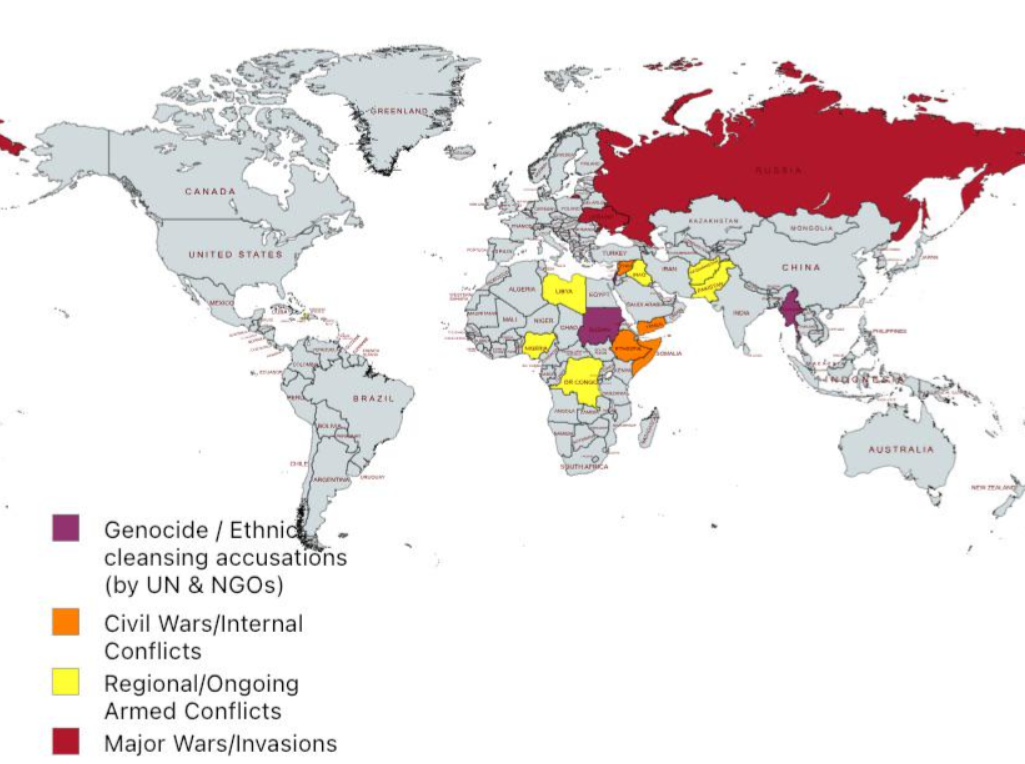
In this article, I will explain how the Iran conflict is raising costs for the LED industry. We will look at the price of silicone and shipping. I will show you why your business team must act now. We will use a table to see the impact clearly. This war affects the silicone material refining process and your stable process parameters. It is a hard time for the manufacture industry. But with the right “know-how,” we can solve any problems from manufacture to your factory.
The Direct Impact of Global Conflict on Material and Logistics Costs
The war in the Middle East has sent a shock through the supply chain. Crude oil prices have surged past $120 per barrel. This is not just a problem for cars. It is a problem for silicone. Silicone comes from petrochemicals. When oil goes up, the cost of raw silicone rubber goes up. I have seen many factories in the Philippines and Malaysia struggling this month. They cannot keep their old prices. Shipping is also in trouble. The Strait of Hormuz is closed. Ships must take longer routes around Africa. This adds 15 days to the delivery time.
| Cost Component | Impact from Iran Conflict | Estimated Price Increase (April 2026) |
|---|---|---|
| Raw Silicone Rubber | Crude oil surge and petrochemical disruption. | 10% – 15% |
| Ocean Freight (Asia-EU) | Rerouting around Cape of Good Hope. | 40% – 60% |
| Energy & Electricity | Rising natural gas and fuel surcharges. | 12% – 20% |
| Aluminum (Profiles) | Regional supply chain constraints in the Gulf. | 8% – 12% |
| Insurance Premiums | War-risk surcharges on Middle East routes. | 100% – 200% |
How Rising Oil Prices Affect Silicone Material Refining
The silicone material refining process depends on petrochemical stability. Silicone is a polymer. Its price is tied to the energy market. Because of the Iran conflict, global giants like Wacker have raised prices by 10%. This is the biggest jump I have seen in 7 years. When the cost of base material rises, the whole hardware process becomes more expensive. You cannot produce a 1615 profile at the same cost as last year. Your business team must understand that high surface quality now comes with a higher price tag.
I remember playing basketball with my team last week. If the cost of the court goes up, everyone must pay more to play. In the factory, if the cost of the raw material goes up, the final product must follow. In Saudi Arabia, I worked with a team that used a lot of specialized resins. They are now facing a 15% increase in costs. This is because the refineries in the region are under stress. I told them to check their stable process parameters again. If the material changes slightly because of new suppliers, the extrusion might change. You must be very careful with your silicone material refining now. Every drop of material is more valuable than before.
Shipping Reroutes and the Surge in Ocean Freight Rates
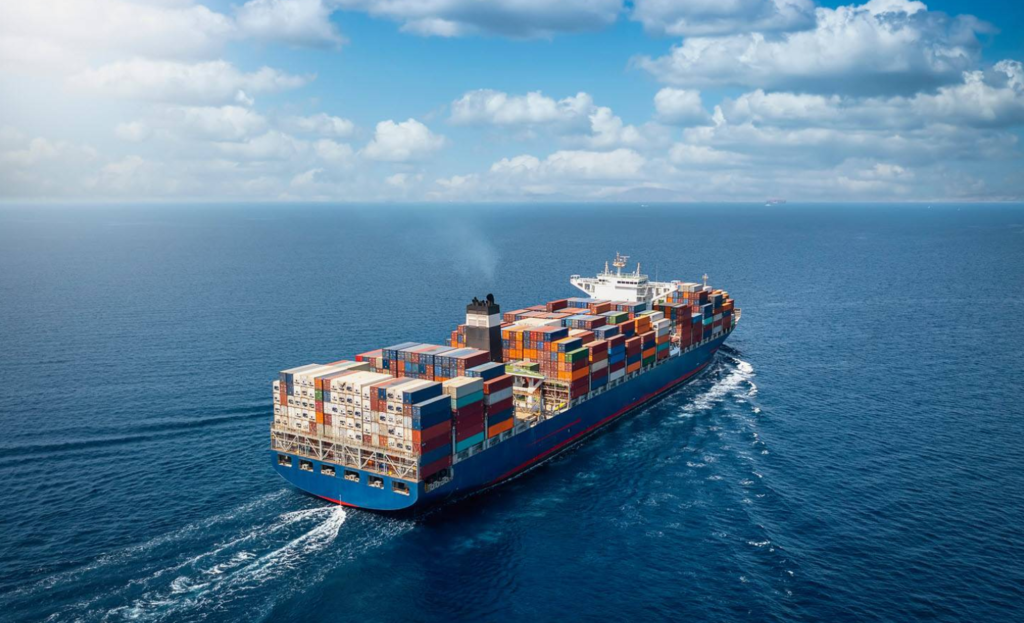
The logistics of an automated silicone extrusion line are now a nightmare. The Strait of Hormuz is a key chokepoint. With the conflict, many shipping lines have stopped using this route. This is a massive hit to international business practice. Ships from China to Europe or the USA must go a long way. This adds a lot of fuel cost. Freight rates from Asia to the US West Coast have risen by 40% in just six weeks. This is a direct result of the war.
When I was cycling in Hainan, we had to change our route because of a closed road. It took us much longer and we were very tired. Shipping companies feel the same. They are adding “emergency conflict surcharges.” These can be $2,000 per container. This cost goes straight to the buyer. If you are importing an automated silicone extrusion line from China to India, you will pay more. I advise my clients to book their shipments early. You must plan for 60 days of transit instead of 30. This is the only way to avoid a total stop in your production.
The Challenge of Maintaining Stable Process Parameters
War causes uncertainty. Uncertainty causes variations in material quality. Because of the Iran conflict, some chemical plants are changing their formulas. They are trying to save money on expensive oil. This means the silicone you buy today might be different from the one you bought in January. This is a big problem for stable process parameters. If the viscosity changes, your 1212 profile will not be perfect. You will see manufacture problems like uneven thickness.
In my 7 years of experience, I have learned that the machine is only as good as the material. In Russia, I helped a factory that switched to a local silicone supplier. We had to spend three days recalibrating the hardware process. The extrusion speed had to be lowered by 10% to keep the high surface quality. I enjoyed the teamwork needed to solve this. My interest in global economics helps me see these trends early. I tell my clients: “Watch your material samples.” Do not trust that every batch is the same during a war. You must test every meter before you run the full line.
Increased Energy Costs in the Manufacturing Hardware Process
Extruding silicone is an energy-intensive hardware process. You need a lot of heat for the oven. You need power for the motors. The Iran conflict has pushed up natural gas prices. In Europe and Asia, electricity bills for factories are rising. This makes the “clean process after production” more expensive too. Every hour your machine runs, it costs more than it did last month. This is a hard truth for the manufacture industry.
I like to read about how politics affects the power grid. When the Middle East is in conflict, energy becomes a weapon. In Vietnam, I visited a factory that had to start a “night shift” to save on power costs. This was a smart move for their business team. They used the cheaper electricity at 2 AM to run their automated silicone extrusion line. I helped them set up the machine for this new schedule. It is important to stay flexible. If you want to keep your 600 meters per hour speed, you must find ways to save energy. I can solve any problems from manufacture to your factory, including energy efficiency.
Rising Prices for Aluminum Profiles and Hardware Parts
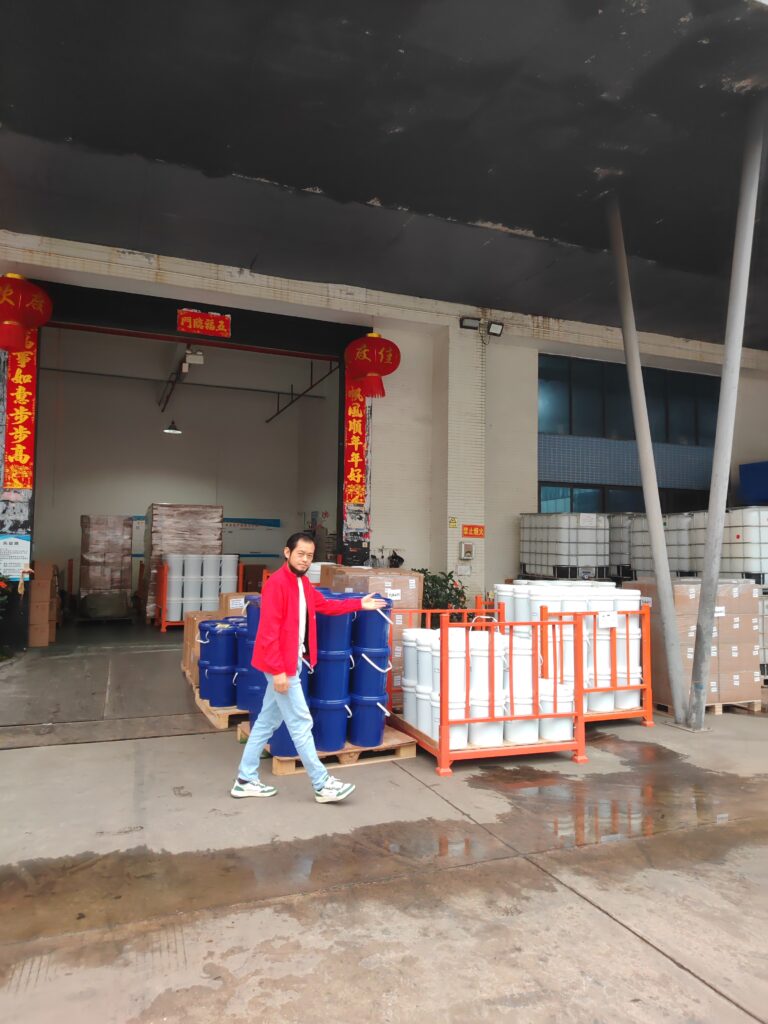
Silicone LED strips often need aluminum profiles. The Iran conflict has also hit the metal market. The Middle East is a major producer of aluminum. Drone attacks and sanctions have reduced the supply. Prices for aluminum have increased by 10%. This affects the total cost of a lighting project. Even the hardware process of making the 1615 profile mold is more expensive. CNC processing uses a lot of energy and metal.
I know well about the CNC process. When the price of tool steel and aluminum goes up, the mold price goes up. I have been to many factories that are now charging more for custom molds. In Cambodia, I helped a client who was building a large shopping mall project. They needed 5,000 meters of 1212 profile. The price of the aluminum housing jumped mid-project. We had to work together to find a more efficient design. This is where my career story helps. I use my experience in creating products to find ways to use less metal. You must be creative when the raw materials are scarce.
The Role of Professional International Business Practice
During a war, professional international business practice is more important than ever. You must have clear contracts. You must have “Force Majeure” clauses that cover war and shipping delays. I have seen many companies in the Philippines lose money because their contracts were too simple. They did not plan for a global crisis. I use my knowledge of international business practice to protect my clients.
I remember my hiking trip in the desert. We had to have a backup plan for water. In business, you need a backup plan for your supply chain. If the silicone from one supplier is too expensive, do you have a second one? If one shipping route is closed, can you use air freight for small parts? I help my clients build these “safety nets.” I have plenty of experience in this industry and I know the players. I can introduce you to reliable partners in Vietnam or China who have stable stock. This is how a professional business team survives a war.

Impact on High Surface Quality and Product Quality Control
Does the Iran conflict hurt the quality of the light? It can. If a factory tries to cut costs, they might use cheaper, low-quality silicone. This ruins the uniform optical properties. The light will not look professional. I always tell my clients to never sacrifice quality for cost. High surface quality is your brand. If you lose it, you lose your customers.
I am a person who values high standards. When I hike a snow mountain, I do not buy cheap boots. It is too dangerous. In the factory, using bad silicone is dangerous for your reputation. I have seen manufacture problems in Malaysia where the silicone turned yellow after one month. This was because they used a cheap additive during the conflict. I showed them that the small saving was not worth the big loss of trust. My “know-how” in surface treatment technique helps me spot these issues early. We must maintain our standards even when the world is in chaos.
Strategies for Your Business Team to Survive the Crisis
Your business team must be proactive. Do not wait for the prices to go down. The Iran conflict might last a long time. You should buy your raw materials in bulk now. If you have the space, stock up on three months of silicone. This protects your stable process parameters from price jumps. You should also talk to your customers. Explain the situation clearly. Most professional buyers understand that war affects costs.
I enjoy the teamwork of solving these puzzles. It is like a basketball game where the other team is very strong. You must change your strategy. In Russia, I helped a factory implement a “waste reduction program.” We reduced silicone waste by 5% during the extrusion process. This 5% saving covered the price increase of the raw material. This is a very smart hardware process improvement. I can solve any problems from manufacture to your factory by looking at your waste data. Every gram of silicone you save is money in your pocket.
On-Site Training and Technical Support During Conflict
Even during a war, production must continue. I am still traveling to provide on-site installation training. I was recently in Saudi Arabia to help a client set up a new automated silicone extrusion line. We had to be very careful with the logistics of the parts. But we succeeded. I believe that technical support is the bridge that keeps the industry moving.
My career story is about being there when the client needs me. I do not stay home because the news is bad. I go to the factory. I show the engineers how to manage the new material challenges. We work together to ensure the 1615 profile is perfect. This is the value of my plenty of experience in this industry. I provide the “know-how” that you cannot find in a manual. Whether it is a CNC process issue or a silicone material refining question, I am there. We are a team, and we will get through this crisis together.
The Long-Term Outlook for the Silicone LED Industry
The Iran conflict will eventually end. But the industry will be changed. We will see more factories moving away from a single source of materials. We will see more investment in energy-efficient hardware process technology. This is a good thing for the long term. It makes our industry stronger and more resilient. I am optimistic about the future of the silicone LED industry.
I think about my sons and the world they will live in. I want them to see that we can overcome any challenge. I will continue to read about politics and the economy to guide my clients. I will continue to visit different factories to learn more. The lights we make are symbols of hope. We will keep them shining. I am Eason, and I am committed to your success. I can solve any problems from manufacture to your factory. Let’s build a brighter future together, one meter of high-quality silicone at a time.

Conclusion
The Iran conflict is a major event that is changing the costs of our industry. From the price of raw silicone rubber to the surge in ocean freight, every part of the business is under pressure. However, by understanding the hardware process and maintaining stable process parameters, your business team can survive. My 7 years of experience and my “know-how” in silicone material refining are here to help you. We must stay professional, stay honest with our customers, and keep our quality high. From the snow mountains of my hikes to the factory floors of Vietnam, I have learned that the best way to face a crisis is with a plan and a strong team. Contact me today to discuss how we can optimize your production and manage your costs during these difficult times. Together, we will keep the lights on.
- Tracking Machine for Silicon Extrusion: How to Ensure Stable Process Parameters
- Hiring the Perfect Extrusion Engineer in 2026: A Blueprint for Your LED Silicone Production Line
- Mastering the Factory Acceptance Test: A Live Guide to Silicone LED Strip Machine Commissioning
- Zero Waste Strategy: How to Reuse Tail Materials in Silicone LED Strip Extrusion
- Passing the Torch: Teaching Silicone LED Strip Extrusion Training to the Next Generation