
My name is Eason. I am a skilled LED strip light extrusion machine sales engineer. I have worked in this industry for more than 7 years. I have two sons who bring me much joy. I love the outdoors. I like hiking very much. I have hiked snow mountains and crossed deserts many times. I also like riding. In February 2026, I brought my wife and two sons to ride cycles around the island of Hainan. It was a long trip but very fun. I also like to play basketball. I enjoy the teamwork. This team spirit helps me when I am working for my business team. I have a great interest in politics and economics. I like reading to learn new things. I visit many different factories to see how things are made. I know well about the CNC process, hardware process, and surface treatment techniques. I also know about international business practices. I can solve any problems from manufacture to your factory. I have been to many countries for on-site installation and training. These include Saudi Arabia, Russia, Vietnam, the Philippines, Malaysia, Cambodia, and India. I have plenty of experience in this industry.
Today, I want to talk about how automatic material feeding sensors optimize LED silicone extrusion. In this industry, stability is everything. If the material does not feed correctly, the whole production line stops. This costs a lot of money. Many factories still use manual feeding. But this is not the best way. I want to show you how a small sensor can make a big difference. This sensor is part of the hardware process. It helps maintain stable process parameters. When I was in Saudi Arabia, I helped a client set up their line. They had many problems with uneven material. After we installed the automatic feeding sensor, their production became smooth. It was a great success.
The Logic of Automatic Material Feeding Sensors
An automatic material feeding sensor is a smart tool. It watches the material level in the hopper. When the level is low, it sends a signal. This signal tells the feeding system to add more material. It is a simple logic. But it is very effective. It keeps the pressure inside the extruder stable. Stable pressure means a uniform profile. Whether you are making a 1615 profile or a 1212 profile, you need this stability. I have seen many factories in Russia struggling with this. They had to stop and start their machines many times. This is not efficient.

The sensor uses infrared or laser technology. It sits near the top of the feeding area. You can see it in my video. When the material drops below the red light, the system starts. It is like teamwork in basketball. The sensor is the guard who sees the play. The feeder is the forward who scores. They work together. My interest in economics tells me that efficiency is the key to profit. If you save time, you save money. I always tell my clients that a small investment in a sensor pays for itself very fast.
Maintaining Stable Process Parameters with Sensors
To get high surface quality, you must have stable process parameters. This means the temperature, speed, and pressure must stay the same. If the material feed is not steady, the pressure changes. This ruins the surface treatment technique. You might see ripples or bubbles. This is bad for business. I have plenty of experience solving this. When I was in Vietnam, a client had a problem with their 1010 profile. The surface was not smooth. We checked the feeding. It was manual and very uneven. We switched to an automatic system with a sensor. The result was perfect.
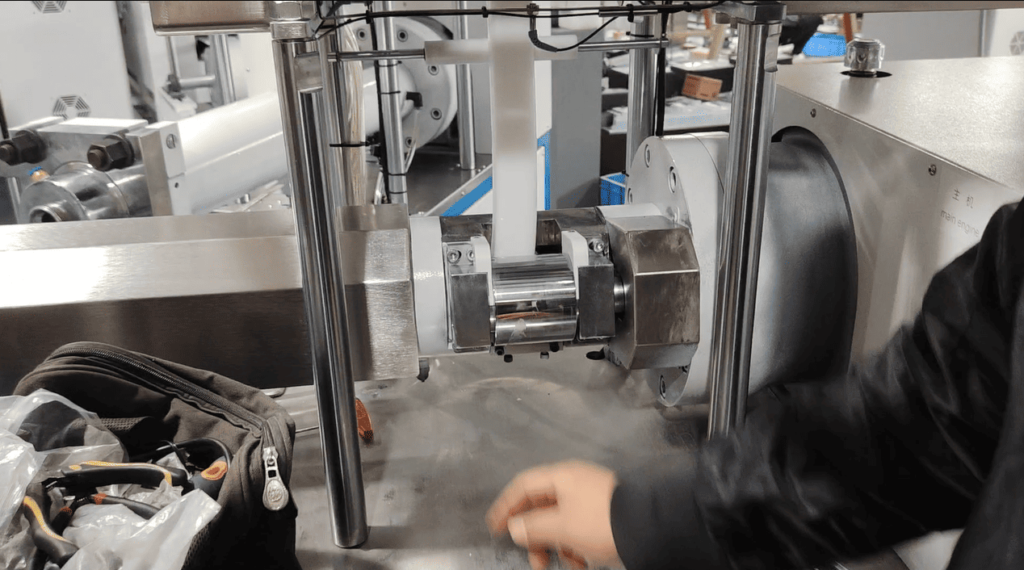
The sensor helps the machine run by itself. This is what we call automated silicone extrusion. It reduces the need for human workers. Humans make mistakes. Sensors do not. I have visited many factories and seen people forgetting to add material. The machine runs dry. This can damage the screw. Replacing a screw is very expensive. It also takes a long time. My background in the hardware process helps me understand these risks. I want to protect my clients’ machines. This is why I always recommend the automatic feeding sensor.
Improving Surface Treatment and Optical Properties
The quality of an LED profile depends on its optical properties. The light must be even and bright. If the silicone is not extruded correctly, the light will look wavy. This happens when the material feed is inconsistent. The automatic material feeding sensor fixes this. It ensures that the extruder always has the right amount of material. This leads to uniform optical properties. I have seen this in my work in the Philippines. We were setting up a high-end lighting project. The customer was very strict about the light quality. The sensor was the hero of that project.

The surface treatment technique also depends on the feed. If the speed of the extrusion changes because of the feed, the surface finish will change too. It might look shiny in some places and dull in others. This is not professional. I have experience in creating products from the ground up. I know that the first impression is the most important. If the profile looks good, it sells well. I use my knowledge of international business practice to help my clients create products that compete globally. A sensor is a small part of the hardware, but it is a big part of the quality.
On-site Training and Installation for Global Clients
I have traveled to many countries to help clients. I have done on-site installation and training in Malaysia, Cambodia, and India. Every factory is different. But the problems are often the same. People want to grow their business. They want better machines. I show them how to use the latest technology. The automatic material feeding sensor is one of the first things I show. It is easy to understand but very powerful. I enjoy teaching people. It is like being a coach on a basketball team.
When I was in India, the power supply was not very stable. We had to make sure the sensors could handle it. I worked with the local engineers to find a solution. My experience in the manufacture of these machines helps me troubleshoot. I don’t just sell a machine and leave. I stay until everything is perfect. I want my clients to succeed. I think about my business team and how we can provide the best service. This is my career story. I am not just an engineer; I am a partner for your factory.
The Economic Benefits of Automated Material Feeding
Let’s talk about money. Every factory owner cares about the bottom line. Automated silicone extrusion is an investment. But it is an investment that makes money. By using an automatic material feeding sensor, you reduce labor costs. You don’t need a person standing by the hopper all day. That person can do something more useful. This improves the overall productivity of the factory. I follow economic trends closely. I know that automation is the future of manufacturing.
Also, you reduce material waste. When a machine runs dry or the pressure is uneven, the material you produce is junk. You have to throw it away. This is a waste of money. With a sensor, the output is consistent. You get more good profiles from every kilogram of silicone. I helped a client in Russia calculate their savings. They were surprised. The sensor paid for itself in less than two months. My interest in economics helps me make these clear arguments for my clients. It is about making smart choices for your business team.
Solving Manufacturing Problems from Start to Finish
I can solve any problems from manufacture to your factory. This is because I know every part of the machine. I know the CNC process used to make the molds. I know the hardware process used to build the frame. I know the surface treatment technique for the final product. When a sensor fails, I know why. Usually, it is just dust. You just need to wipe it clean. I teach these simple maintenance steps during my training. It saves the client from calling for help for a small problem.
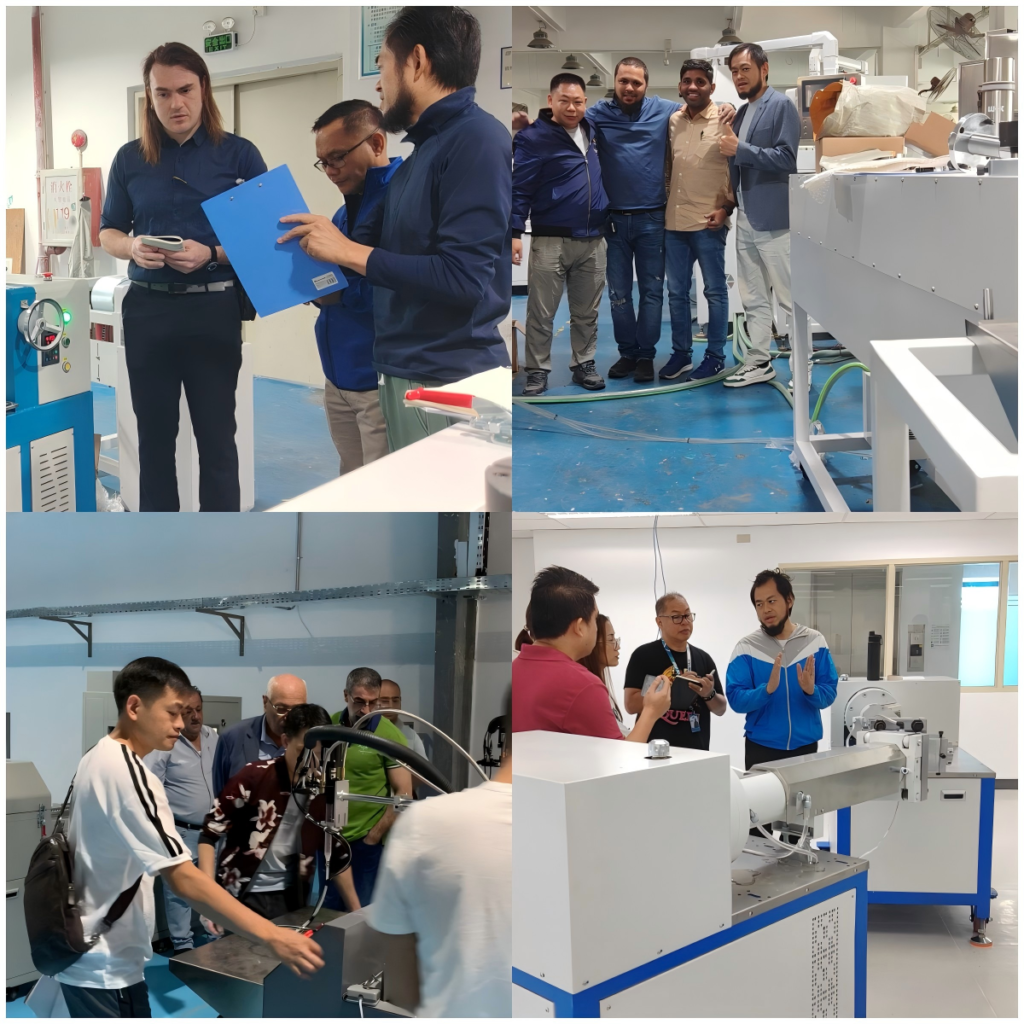
I have spent more than 7 years in this industry. I have seen the technology evolve. Sensors have become smaller and more accurate. I always stay updated on these changes. I like reading technical manuals and visiting other factories. This keeps my skills sharp. I am like a hiker on a long trail. I always look ahead to the next peak. I bring this energy to my work every day. Whether it is a small sensor or a whole production line, I give it my full attention.
In conclusion, an automatic material feeding sensor is essential for any modern LED silicone extrusion factory. it ensures stable process parameters and high surface quality. It leads to uniform optical properties and reduces material waste. This is the heart of automated silicone extrusion. My name is Eason, and I have the experience to help you implement this technology. From my hiking trips to my work in Saudi Arabia and Russia, I have learned the value of preparation and precision. Let’s work together to make your factory more efficient and successful.
My journey from a technical engineer to a sales engineer has been long. But it has been very rewarding. I get to meet people from all over the world. I get to solve complex manufacture problems. And I get to see the amazing products my clients create. If you have any questions about sensors or extrusion machines, please reach out. I am here to help your business team grow.
- Tracking Machine for Silicon Extrusion: How to Ensure Stable Process Parameters
- Hiring the Perfect Extrusion Engineer in 2026: A Blueprint for Your LED Silicone Production Line
- Mastering the Factory Acceptance Test: A Live Guide to Silicone LED Strip Machine Commissioning
- Zero Waste Strategy: How to Reuse Tail Materials in Silicone LED Strip Extrusion
- Passing the Torch: Teaching Silicone LED Strip Extrusion Training to the Next Generation