
My name is Eason. I am a skilled LED strip light extrusion machine sales engineer. I have worked in this industry for more than 7 years. I have two sons. They like to play with the silicone samples I bring home. I love reading books about history and global markets. These books help me understand international business practice very well. I also love physical challenges. I have finished many desert hiking trips and snow mountain climbs. In February 2026, I took my wife and two sons to ride cycles around the island of Hainan. We learned that a good start is half the battle. This is very true for a production line. Recently, I joined a motorcycle driving training program. I bought a yearly card. At first, I tried to learn by myself. I fell off many times. My coach said my habits were wrong. He corrected my every move. This made me realize that professional training is a must. In the factory, I am the coach. I provide factory training reality to help my clients. I have been to Saudi Arabia, Russia, Vietnam, and many other countries for on-site installation training. I can solve any problems from manufacture to your factory.
In this article, I will share the factory training reality from machine assembly to production. You can see the full journey in my latest video. This is a real story of how we build an automated silicone extrusion line. We start with the hardware process of assembly. Then we move to the silicone material refining process. Finally, we make high-quality 1615 and 1212 profiles. This process is the “know-how” that ensures high surface quality and uniform optical properties. I will show you how we manage every detail to reach stable process parameters.
The Foundation of Factory Training Reality: Precise Machine Assembly
The first stage of factory training reality is machine assembly. We receive the machines in many parts. We must put them together with high precision. This is a complex hardware process. We check the alignment of the extruder and the tunnel oven. We connect the power and the cooling water. If one bolt is loose, the whole line will vibrate. This vibration causes manufacture problems in the final product. We must be as careful as a CNC process.
I remember my motorcycle training. If the bike parts are not adjusted right, I cannot balance. In the factory, if the machine is not assembled right, the silicone cannot flow right. During my on-site installation training in Russia, the ground was not flat. We had to use special tools to level the machines. My 7 years of experience help me find these issues early. I teach the business team how to check every connection. This is the first step to high surface quality. If the machine is stable, the product is stable. We spend 1 to 2 days on this assembly stage. It is hard work, but it is necessary for a professional international business practice. This is the “know-how” that prevents future breakdowns.
Transitioning from Assembly to Silicone Material Refining
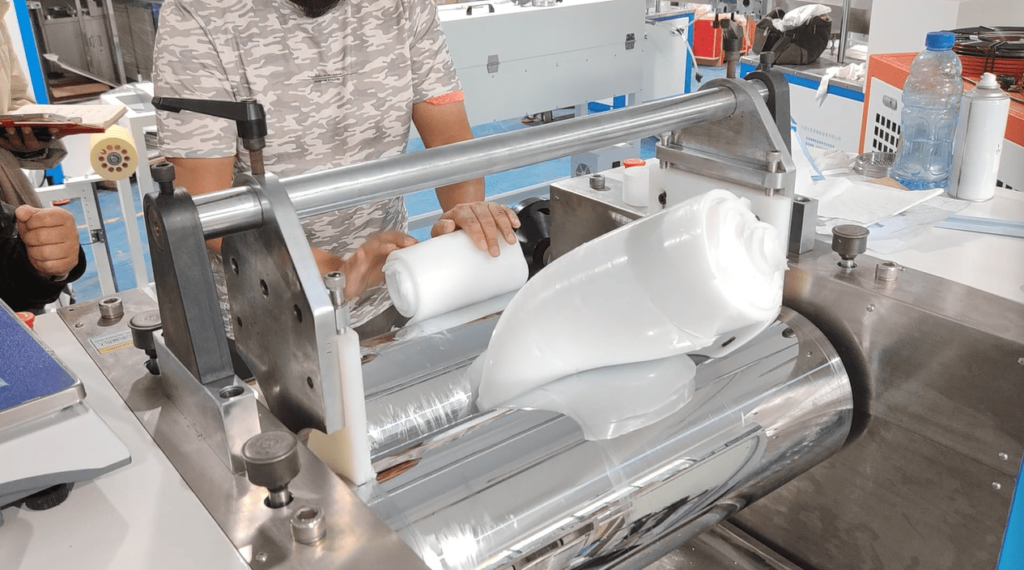
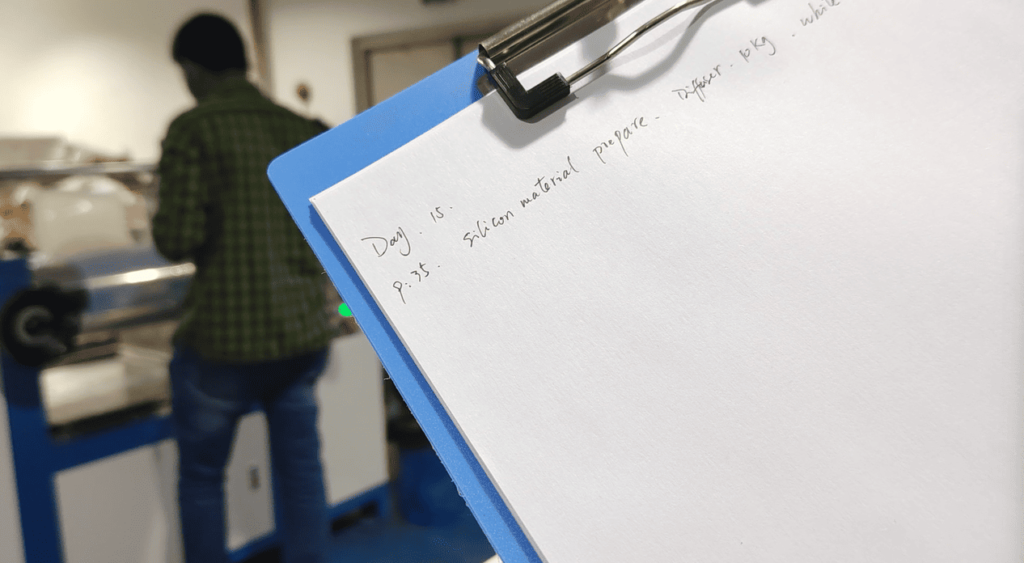
After the machine is ready, we start the silicone material refining process. This is the heart of factory training reality. We take raw silicone rubber and “awaken” it on the rollers. We add light-blocking agents and curing agents. The order of adding agents is very strict. We must add Component B then Component A. This hardware process determines the quality of the mix. If the mix is bad, the extrusion will fail. We want the silicone to be smooth and consistent.
I love playing basketball. I know that every team member must do their part. In the refining area, the workers must follow the rules exactly. In Saudi Arabia, the workers were new to this. I showed them how to weigh the agents with a precision scale. We practiced the cutting technique to mix the color evenly. This part of the factory training reality takes patience. My knowledge of surface treatment techniques helps me judge the mix. If the rubber looks like a mirror, it is ready. This is how we reach uniform optical properties. A good mix leads to an automated silicone extrusion line that never stops. My career story is full of these small wins that lead to big success.
Setting Stable Process Parameters for the Extrusion Head
Now we come to the most technical part of factory training reality. We must set the stable process parameters on the control panel. This includes the screw speed and the heating temperatures. Different profiles like 1615 and 1212 need different settings. Thick and thin strips react differently to heat. We must find the “sweet spot” for the material. This is where the 7 years of experience really count. We test the line and make small adjustments.
I think about my cycling trip in Hainan. We had to adjust our speed for the wind and the hills. In the factory, we adjust the speed for the silicone viscosity. During my on-site installation training in Vietnam, the power supply was unstable. We had to use a voltage stabilizer to keep our parameters steady. This is a manufacture problem that I can solve. I teach the business team how to read the pressure gauges. If the pressure is stable, the strip shape is stable. This specific training takes 1 to 2 days of real production. It is the difference between 200 meters and 600 meters per hour. My goal is to make your factory efficient. High production capacity is the result of perfect parameters.
Guiding the First Meters of Silicone LED Strip
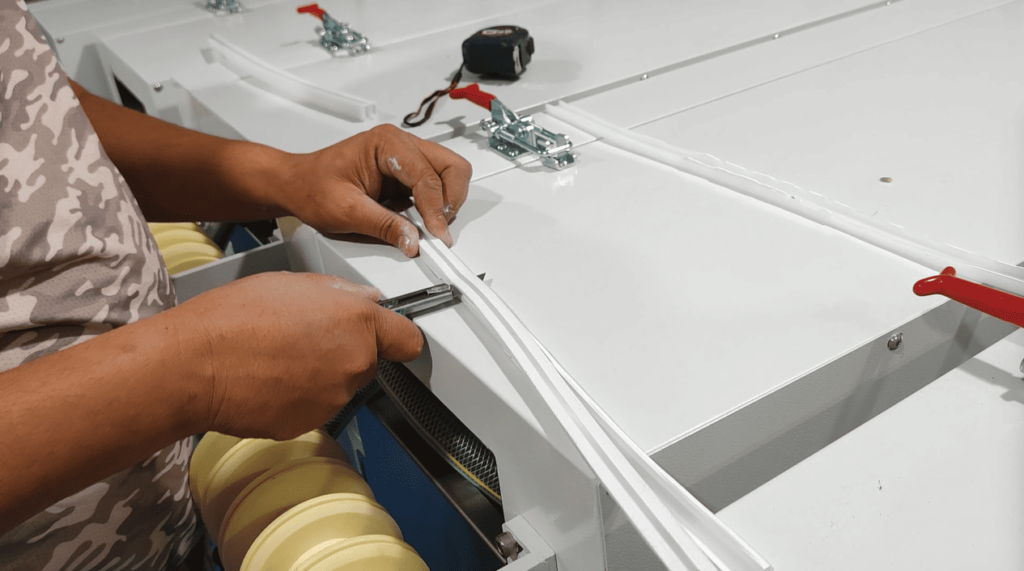
In the factory training reality, the first meter of product is a big event. We guide the freshly extruded silicone onto the conveyor belt. The silicone is very soft and hot. We must adjust the belt speed to match the extruder perfectly. If we pull too hard, the 1615 profile becomes thin. If we are too slow, it becomes thick. This hardware process requires a steady hand and a sharp eye. It is like guiding my two sons as they learn to ride cycles. You must be gentle but firm.
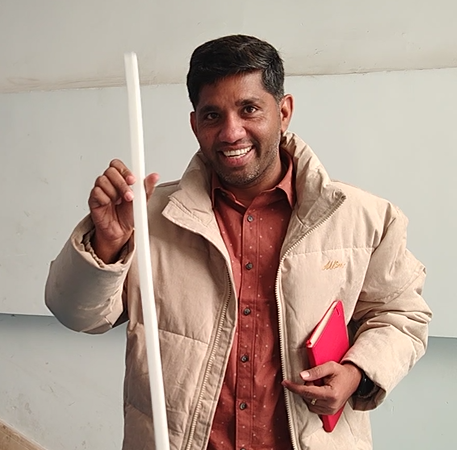
I remember a factory in India. The team was very excited during the first run. They were too fast and the strip broke. I showed them how to relax and follow the material flow. We used a tracking machine to keep the line straight. This ensures high surface quality. This part of the on-site installation training is very practical. I stay on the floor with the workers for hours. We practice the “hand-off” from the machine to the oven. This is the “know-how” that ensures uniform optical properties. When the first meter comes out of the oven, everyone is happy. It is a win for the whole business team.
Solving Common Manufacture Problems During Trial Runs
Every factory training reality has trial runs. This is when we find and fix manufacture problems. We might see bubbles in the silicone. This could be air in the auto-feeder. We might see color streaks. This means the refining was too short. We check the surface for marks. We adjust the CNC process of the mold if needed. We use our surface treatment techniques to make the mold smooth. This is how we reach the final high surface quality.
I am a very detailed person. When I hike on snow mountains, I check my GPS every 30 minutes. In the factory, I check the product every 10 minutes. In the Philippines, we found a cooling issue during a trial run. The water was not cold enough. We added a new chiller to the system. The manufacture problem was solved. I have interest in economics, and I know that waste is a loss. By fixing these problems during training, we save money for the client. My plenty of experience in this industry allows me to find the cause of any defect. I bring professional international business practice to your factory.
Training the Business Team on Quality Control Standards
Factory training reality is not just about machines. It is about people. I train the business team on quality control. We use calipers to measure the 1615 and 1212 profiles. We use a light box to check the uniform optical properties. I teach them how to spot a “bad” strip in one second. This is a professional skill that comes with training. We create a standard sample for the factory to follow.
I think about my basketball team. We have a standard for every play. In the factory, we have a standard for every meter. During my on-site installation training in Malaysia, we set up a quality log. Every hour, the worker must check the strip and write down the data. This keeps the process stable. My career story is built on these high standards. I want your product to be the best in the global market. I can solve any problems from manufacture to your factory by setting up a strong QC system. This is what makes your business team professional.
Managing the Automated Silicone Extrusion Line Efficiency
Efficiency is a core part of factory training reality. We want to maximize the output of the automated silicone extrusion line. We look at the total hardware process. We reduce the time it takes to change raw materials. We optimize the cooling time in the tunnel oven. If we are efficient, we can reach 600 meters per hour. This is the peak of professional international business practice. It makes your factory more profitable.
I have interest in economics and global trade. I see how small gains in efficiency help a company grow. In Cambodia, I helped a factory reorganize their material flow. We moved the refining machine closer to the extruder. This saved 5 minutes per batch. Over a month, this added up to 20 extra hours of production. My plenty of experience in this industry helps me see these opportunities. I enjoy the teamwork required to reach these goals. I treat your factory like my own business. This is why I am a trusted sales engineer for so many years.
The Role of On-Site Installation Training in Long-Term Success
On-site installation training is the bridge between a machine and a business. Without this part of factory training reality, the machine is just metal. I bring the “know-how” that makes it work. I stay at the factory for 1 to 2 weeks. I teach the mechanics, the operators, and the managers. I share my career story and my technical secrets. This builds a foundation for long-term success.
I remember my snow mountain hikes. You cannot just buy the gear and go. You need a guide to show you the safe way. In the factory, I am the guide. In Poland, a client tried to start without me. They wasted 500kg of silicone in two days. When I arrived, we fixed the hardware process in three hours. They realized the value of professional training. My international business practice is based on being there for my clients. I can solve any problems from manufacture to your factory. Whether you are in a desert or a city, I will come to you.
Maintaining High Surface Quality in Global Environments
Different countries have different challenges for factory training reality. In Saudi Arabia, the high heat affects the silicone curing. In Russia, the cold affects the machine starting. I adapt our stable process parameters to the local environment. This ensures a high surface quality everywhere. We might use different cooling water temperatures or different curing agents. This is a high-level hardware process skill.
I love visiting different factories. It is like my hiking trips. Every place is a new adventure. I use my experience in surface treatment techniques to adapt our products. In Vietnam, the humidity was very high. We had to change our storage methods for the light-blocking agents. We kept the material dry to ensure uniform optical properties. My 7 years of experience mean I have a solution for every climate. I am not just a salesman. I am a technical engineer. I understand the whole manufacture process. This is the professional service you get from me.
Future Trends in Automated Silicone Extrusion Technology
The last part of factory training reality is looking ahead. I teach my clients about the future of automated silicone extrusion. We talk about new CNC process methods for even more complex molds. We talk about smart sensors that can adjust the belt speed automatically. I want my clients to be ready for the next 10 years. My interest in economics helps me predict where the market is going.
I think about my two sons and the world they will live in. I want to build a career story that is about innovation and quality. Helping factories in India and the Philippines use the latest technology is very rewarding. I enjoy the thinking of working for a business team. We are all trying to make something better. I bring my international business practice to every meeting. Together, we can reach new heights in the LED industry. Let’s make every meter of silicone strip a masterpiece.
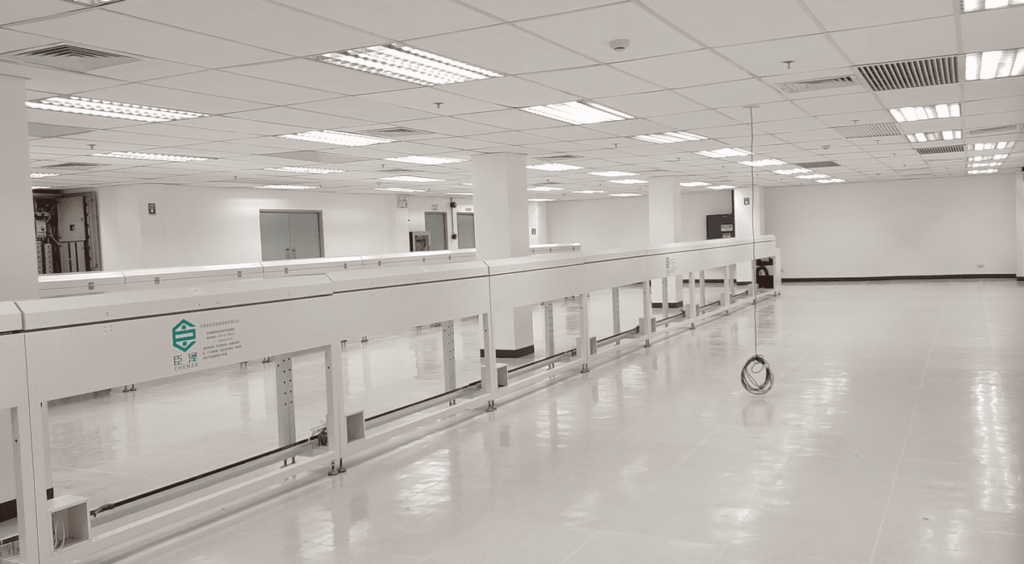
Conclusion
Factory training reality is the journey from a box of machine parts to a high-speed production line. It is a combination of machine assembly, silicone material refining process, and setting stable process parameters. With the right training, your business team can achieve high surface quality and uniform optical properties for your 1615 and 1212 profiles. My 7 years of experience and my career story across the globe provide the “know-how” you need to succeed. From the deserts to the snow mountains, I have learned that precision and professional guidance are the keys to victory.
I am Eason, and I am ready to be your coach in the world of LED manufacturing. I provide on-site installation training and solve any manufacture problems. I can solve any problems from manufacture to your factory. Let’s work together to build a professional automated silicone extrusion line that leads the industry. Contact me today to start your factory training reality and see your production capacity grow. Together, we can light up the world with perfect silicone products.
- Tracking Machine for Silicon Extrusion: How to Ensure Stable Process Parameters
- Hiring the Perfect Extrusion Engineer in 2026: A Blueprint for Your LED Silicone Production Line
- Mastering the Factory Acceptance Test: A Live Guide to Silicone LED Strip Machine Commissioning
- Zero Waste Strategy: How to Reuse Tail Materials in Silicone LED Strip Extrusion
- Passing the Torch: Teaching Silicone LED Strip Extrusion Training to the Next Generation