
Featured Snippet:
Achieving zero waste in silicone LED strip extrusion is possible by recycling screw tail materials into light-blocking layers. Senior sales engineer Eason explains how to mix diffuser, light-blocking, and transparent silicone leftovers with extra pigment to create high-quality base materials. This hardware process significantly reduces production costs and improves material utilization rates for global business teams.
My name is Eason. I am a skilled LED strip light extrusion machine sales engineer. I have worked in this industry for more than 7 years. I have two sons. I enjoy spending time with them when I am not visiting factories. I like hiking very much. I have hiked across deserts and climbed snow mountains many times. These trips taught me how to save resources. In February 2026, I took my wife and two sons on a cycling trip around Hainan Island. We had to carry only what we needed. This same thinking applies to my work. In the factory, wasting material is like wasting water in the desert. I want to help my clients achieve zero waste. I know well about the CNC process and surface treatment technique. I use my experience to solve manufacture problems for clients in Saudi Arabia, Russia, and Vietnam. In this article, I will show you a secret method to reuse silicone tail materials. This is a key part of professional international business practice.
In this guide, I will explain how to handle tail materials in the silicone LED strip extrusion process. You will learn how to take the leftovers from the screw and turn them into useful raw material. We will mix different types of silicone to create a strong base layer. This hardware process will help your business team lower costs. I have plenty of experience in this industry. I can solve any problems from manufacture to your factory. Let us look at how to reach a 100% material utilization rate.
The Economic Logic of Recycling Tail Materials in Production
Recycling tail materials is a smart move for any business team. Silicone is expensive. Every gram you throw away is money lost. In my 7 years of experience, I see many factories waste 5% to 10% of their material. This happens because they do not know how to handle the leftovers in the screw. I have interest in economics and global trade. I know that saving costs is the best way to stay competitive. When I visit different factories in India or Malaysia, I always check their waste bins. If the bin is full, the profit is low.
I remember a project in the Philippines. The client was worried about high material costs. I showed them my method for tail material recycling. We took the silicone left in the screw at the end of the day. We did not throw it away. Instead, we collected it for the next day. This changed their manufacture process. They saved thousands of dollars in the first month. I enjoy the thinking of working for a business team that values efficiency. It is like a basketball game. You want to make every shot count. You do not want to waste any opportunities. My career story is full of these small changes that make a big difference. I use my “know-how” to make your factory more profitable.
The Science of Silicone Material Mixing
The silicone material refining process is very flexible. Silicone is a polymer that can be mixed easily. In the screw, you often have different types of silicone. You might have silicone with diffusers for the light surface. You might have transparent silicone for the inner parts. You might also have light-blocking silicone for the base. When you stop the machine, these materials stay inside. In a standard hardware process, people just push them out and throw them away. But I have a better way. You can mix all these together.
The reason this works is simple. We are going to use this mixture as “light-blocking material” for the next day. Light-blocking material is usually the bottom layer of the LED strip. Its job is to stop light from leaking out. It does not need to be perfectly clear. It does not even need to be a specific color if it is covered. Because this layer is opaque, it can handle small impurities or a mix of different silicones. I know well about surface treatment technique. I know that as long as the mechanical properties are stable, the visual result will be perfect. In my travels to Saudi Arabia, I taught an R&D engineer named Shane this trick. We added a small amount of black or white pigment to the mixed tail materials. The result was a perfect base layer. It looked great and worked perfectly. We saved the transparent material for where it was really needed. This is how you use your experience of creating products to save money.
Step-by-Step Hardware Process for Tail Material Extraction
Extracting the tail material requires the right hardware process. First, you must slow down the extruder. You need to keep the heat on so the silicone stays soft. Then, you use a special tool to pull the material from the screw. My son once asked me if it was like cleaning a giant toothpaste tube. I told him it is exactly like that. You want to get everything out. I have plenty of experience in this industry. I know the ZCX-SZ1000 machine very well. It is designed to make this easy.
When I was in Vietnam for on-site installation training, I showed the team how to do this safely. You must wear gloves because the screw is hot. You collect the mixed silicone in a clean bin. It does not matter if the transparent and diffuse parts are mixed. We are going to refine them again tomorrow. This is a very stable process parameter task. You do not want to burn the material. You just want to move it out. This hardware process takes about 10 minutes. Those 10 minutes can save you 2 kilograms of silicone. If you do this every day, you save 60 kilograms a month. That is a huge amount of material. I enjoy the teamwork of teaching these steps to factory workers. It makes the whole business team feel more responsible for the materials.
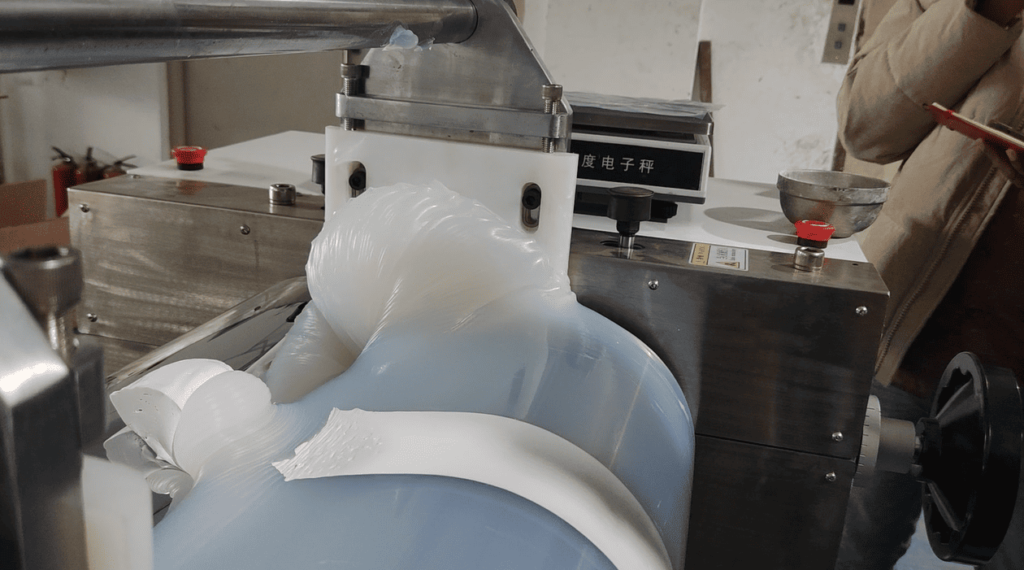
Achieving Zero Waste with Light-Blocking Layers
The goal of zero waste is possible when you understand how LED strips are built. A silicone LED strip has different layers. The top layer must be perfect. It needs uniform optical properties. The inner layer must be clear to let light travel. But the base layer is different. Its only job is to provide structure and block light. This is why it is the perfect place for recycled tail materials. Since this layer is not where the light comes out, a little bit of “pollution” from other silicones does not hurt.
When I hike in snow mountains, I carry a base layer of clothing. It does not matter what color it is. It only matters that it keeps me warm. The base layer of the LED strip is the same. It only matters that it blocks the light. During my career story, I have visited factories in Russia and Poland. I saw that they were very strict about material purity. I explained to them that they were being too strict. By using the mixed screw leftovers for the base, they could reduce their waste to almost zero. We just add a little bit of extra light-blocking agent (pigment). This makes the whole mixture one solid color. It covers any streaks or variations. The final product still has high surface quality. The customer gets a great product, and the factory owner saves money. This is the beauty of a well-planned manufacture process. It combines technical “know-how” with economic common sense. I can solve any problems from manufacture to your factory by looking at these small details.
Improving Material Utilization Rate in Global Factories
International business practice is changing. Everyone wants to be more sustainable. Improving your material utilization rate is part of this trend. When I am in Cambodia or Malaysia for on-site installation training, I talk about sustainability. I show that being “green” is also being “profitable.” If you use 100% of your material, you are a leader in the industry. I have 7 years of experience in this industry. I have seen how the best factories stay on top. They do not waste anything.
I think about my cycling trip in February 2026. We had to manage our energy and food. If we wasted energy in the morning, we could not finish the day. A factory is the same. If you waste material in the morning, you lose your profit in the afternoon. I help my clients set up a system for tail material collection. We create a “recycling station” next to the automated silicone extrusion line. Every worker knows what to do. They feel proud to achieve zero waste. This builds a strong culture in the business team. It shows that everyone is thinking about the success of the company. I enjoy visiting these factories and seeing the progress. It makes my work very meaningful.
Troubleshooting Manufacture Problems During Recycling
Sometimes, recycling can cause manufacture problems if you are not careful. For example, if you let the tail material get dusty, it will cause bumps in the strip. You must keep the collection bin very clean. This is a basic hardware process rule. I also teach the team to check the viscosity. If the mixed material is too thick, it might clog the mold. You must adjust the stable process parameters of the extruder to handle the recycled mix.
I remember a problem in India. The client tried to recycle material but the strip had bubbles. I went to the factory to investigate. We found that they were mixing too much air into the silicone during the pigment addition. I showed them how to use a vacuum mixer to remove the air. We also adjusted the CNC process of the mold to allow for better flow. After these changes, the bubbles disappeared. My knowledge of the silicone material refining process helped us find the solution quickly. I have experience in creating products that are both cheap and high-quality. I am always ready to help you solve these puzzles. It is like a game of basketball where you have to find the open player. I find the open problem and fix it.
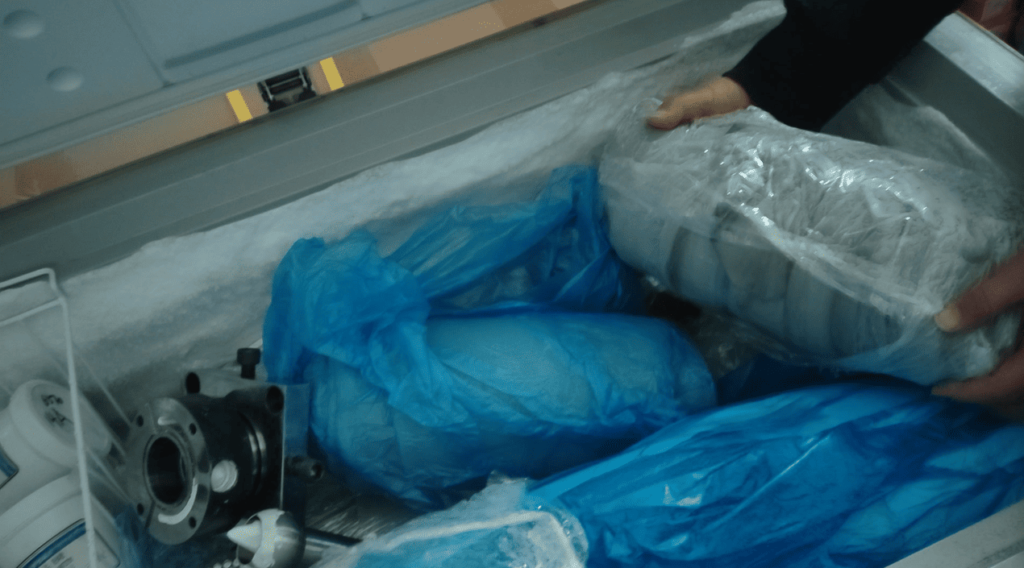
The Impact of Pigment Concentration on Quality
When you mix tail materials, the pigment concentration is very important. You are mixing transparent, diffuse, and colored silicone. The resulting color will be light and uneven. To fix this, you must add a specific amount of light-blocking agent. This agent is usually a dense white or black silicone paste. You need enough to make the mixture 100% opaque. But you do not want so much that it changes the hardware process of the material.
In my international business practice, I have learned that precision is everything. I have been to Saudi Arabia many times. I worked with a senior product development engineer named Shane. We tested different pigment levels for recycled tail materials. We found that a 2% addition of pigment was usually enough to cover any variation. This allowed us to keep the stable process parameters the same as virgin material. If you add too much pigment, the silicone becomes too stiff. Then the extrusion speed drops. We wanted to stay at 600 meters per hour. By finding the right balance, we kept the speed high and the cost low. This is the kind of “know-how” I bring to my clients. I don’t just give you a machine; I give you a formula for success. I spend my time visit different factories to collect these secrets. Then I share them with you to help your business team.
Quality Assurance for Recycled Silicone LED Strips
Can you really get high surface quality with recycled material? The answer is yes. As long as the recycled material is used for the base or the inner light-blocking layer, the quality is safe. The light-emitting surface always uses 100% virgin silicone with diffusers. This ensures uniform optical properties across the whole strip. The recycled material is hidden inside. This is a standard practice in the manufacture industry for many products.
I love reading about technical standards. I want to make sure my clients meet all the global requirements. When I hike in the mountains, I need my gear to be reliable. When you sell an LED strip, your customer needs it to be reliable. Using recycled material in the base does not reduce the life of the LED. It does not change the brightness. It only changes the cost of manufacture. I have 7 years of experience in this industry. I have tested these strips in many labs. They pass all the tests for heat and UV resistance. My career story is about building trust. I would never suggest a method that hurts the quality of your product. I can solve any problems from manufacture to your factory while keeping your standards high.
Training the Business Team for Efficient Material Management
Silicone LED strip extrusion training must include material management. I teach the workers to respect the material. I show them how much 1 kilogram of silicone costs. When they see the price, they understand why tail material recycling is important. I have made on-site installation training in many countries. I always find that a well-trained team is the most efficient.
I enjoy the teamwork of a busy factory. It is like being on a basketball court. Everyone has a job to do. One person extrudes, one person checks quality, and one person handles the materials. When they work together, the factory runs like a machine. My son saw this today when I took him to the factory. He saw how the workers collected the tail material with care. I told him that this is how we protect our business. I bring my international business practice to your factory to build this kind of culture. I have interest in politics and economics because they affect our business. I use this knowledge to prepare my clients for the future. We are not just making lights; we are building a sustainable industry.

Long-term Cost Savings and ROI
The return on investment (ROI) for tail material recycling is very high. The only “cost” is a few minutes of labor and a small amount of pigment. The saving is the full price of the silicone. Over one year, a factory running two shifts can save over $20,000 just by recycling screw leftovers. This money can be used to buy a new CNC process mold or to upgrade the automated silicone extrusion line.
I look at the economy as a series of small gains. If you save 1% here and 2% there, you eventually win. In my 7 years of experience, I have seen small factories become large ones by being careful with their hardware process. In Russia, I helped a client who was almost going bankrupt. We implemented a strict waste-control program. We used every gram of tail material. Within six months, they were profitable again. They even bought a second machine from me. This is why I love my job. I am not just a salesman; I am a partner in your growth. I use my career story and my plenty of experience in this industry to guide you. I enjoy the thinking of working for a business team that wants to be the best in the world. I can solve any problems from manufacture to your factory because I care about your bottom line.
Conclusion
Recycling tail materials is the most effective way to reach zero waste in silicone LED strip extrusion. By mixing screw leftovers with a light-blocking agent, you create a high-quality base material that reduces costs and improves efficiency. This hardware process is simple, fast, and highly profitable. I am Eason, and I have 7 years of experience in this industry. I have seen how these small changes can transform a factory. From the snow mountains of my hikes to the factory floors of Vietnam and India, I have learned that every resource is precious. I bring my technical “know-how” and my international business practice to help you succeed. Let us work together to optimize your manufacture process and achieve high surface quality with minimum waste. Contact me today to learn more about our automated silicone extrusion lines and our professional on-site training. Together, we can build a brighter, more efficient future for the LED industry.
- Tracking Machine for Silicon Extrusion: How to Ensure Stable Process Parameters
- Hiring the Perfect Extrusion Engineer in 2026: A Blueprint for Your LED Silicone Production Line
- Mastering the Factory Acceptance Test: A Live Guide to Silicone LED Strip Machine Commissioning
- Zero Waste Strategy: How to Reuse Tail Materials in Silicone LED Strip Extrusion
- Passing the Torch: Teaching Silicone LED Strip Extrusion Training to the Next Generation