
My name is Eason. I am a skilled LED strip light extrusion machine sales engineer. I have been in this industry for more than 7 years. I have two sons. They are my pride and joy. I love the outdoors. I have many times hiked snow mountains. These mountains are very beautiful but also very dangerous. You must be very careful with every step. I also like desert hiking. The desert teaches you about patience and endurance. In February 2026, I brought my wife and two sons for a cycling trip around the island of Hainan. We spent many days on the road together. It was a great family experience. I also like to play basketball. I enjoy the teamwork on the court. It reminds me of how a professional business team should work together. I visit different factories every month. I have experience in creating products. I know well about the CNC process and the hardware process. I also understand surface treatment techniques. I know international business practices very well. I can solve any problems from manufacture to your factory. My career story has taken me to many countries. I have been to Saudi Arabia, Russia, Vietnam, the Philippines, Malaysia, Cambodia, and India for on-site installation training. I have plenty of experience in this industry.
Today, I want to talk about a very important step in production. It is the tri-coextrusion manual silicon feeding. In my latest video, you can see how we handle the material. This is the first generation of production methods. Now, most large factories use automatic feeding machines. But some customers still use manual feeding when they start a new line. They do this to save on the initial investment. This is a smart choice for some, but you must know the risks. Manual feeding requires a specific way to prepare the material. It also requires the worker to be very careful. Let’s look at how this works and what you need to watch for.
The Process of Tri-coextrusion Manual Silicon Feeding
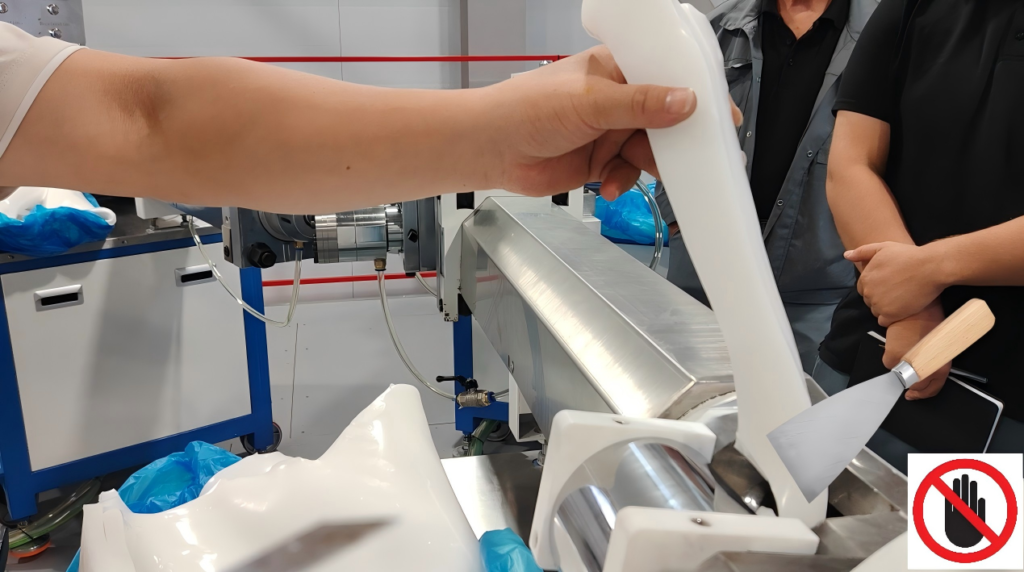
The material preparation for manual feeding is different from automatic machines. For tri-coextrusion manual silicon feeding, you must first press the silicone flat. You make it into a sheet. Then, you put it on a table. You use a knife to cut the silicone into strips. These strips should be about 5cm wide. This is the perfect size for the machine. The worker then feeds these strips into the inlet of the extruder. They must do this continuously. If they stop, the flow of material stops too.
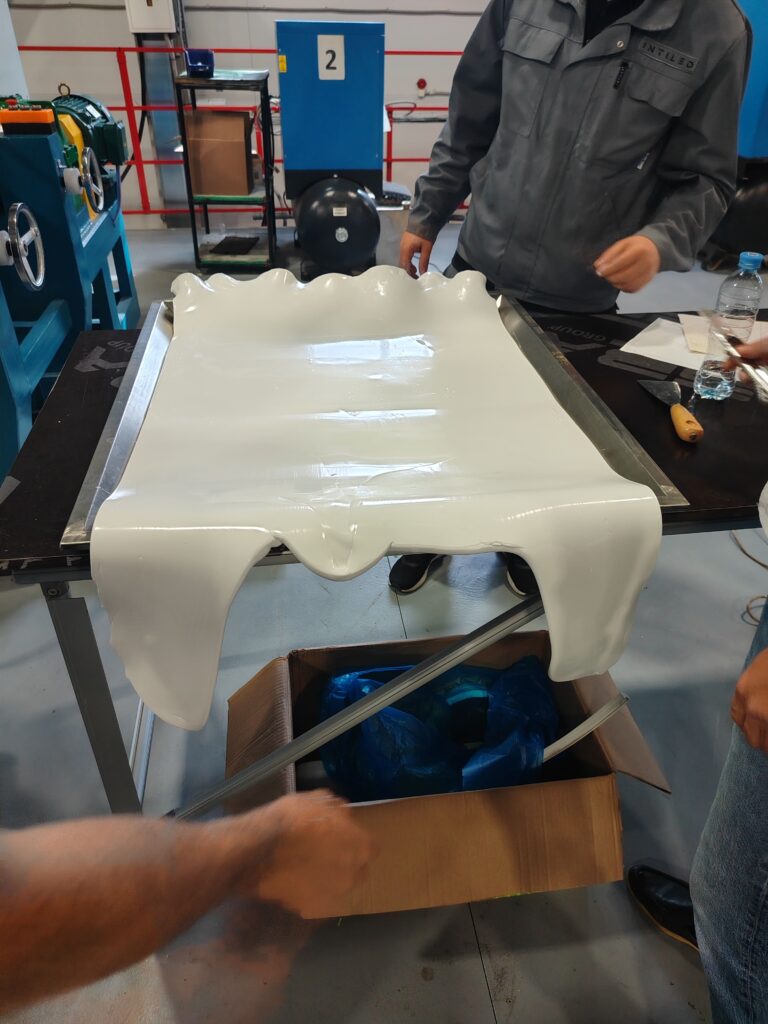
This process is a core part of the hardware process for 1615 and 1212 profiles. You must have a steady hand and a steady rhythm. I remember a factory in Vietnam. They were using manual feeding for a new 1615 profile project. The workers were very skilled. They moved like a well-trained basketball team. They kept the machine full and the light strips looked perfect. This is the “know-how” that makes a difference. If you want to save money on machines, you must invest in training your workers. This is part of the on-site installation training I provide.
Risks and Challenges of Manual Feeding
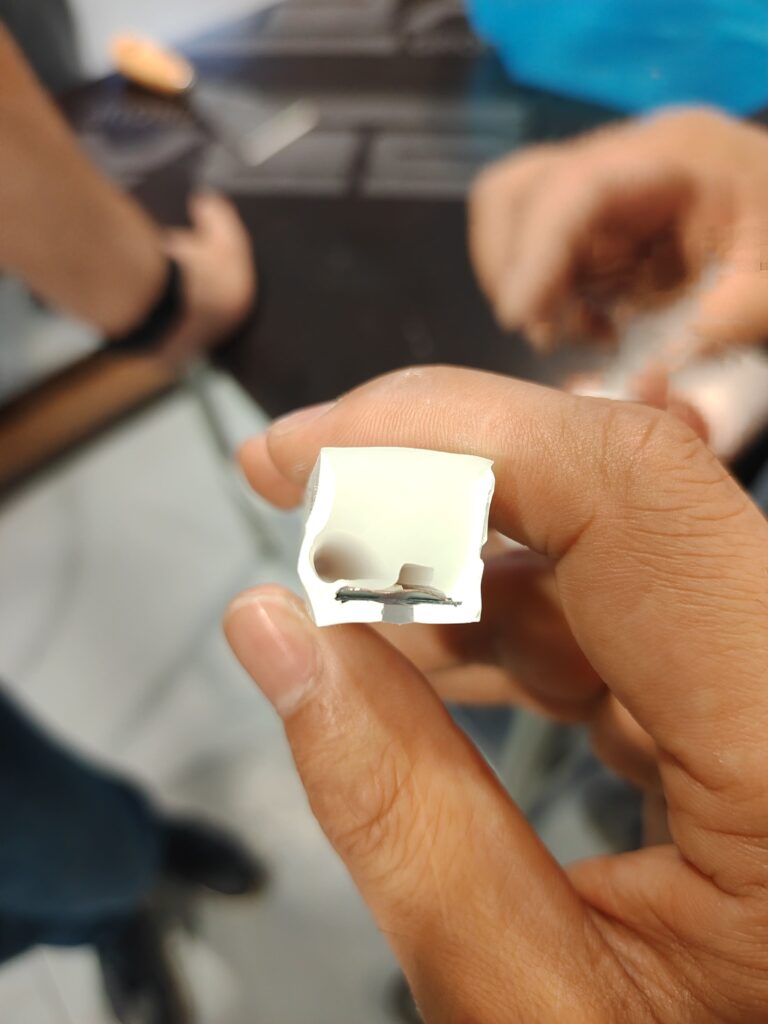
Tri-coextrusion manual silicon feeding has many risks. The biggest risk is the interruption of the feed. If the worker stops feeding for a few seconds, air can get into the extruder. These air bubbles will end up in your final product. This causes many manufacture problems. You might see product peeling or air bubbles inside the silicone. It can also lead to an uneven material proportion. The light will not look uniform. This ruins the uniform optical properties of the LED strip.
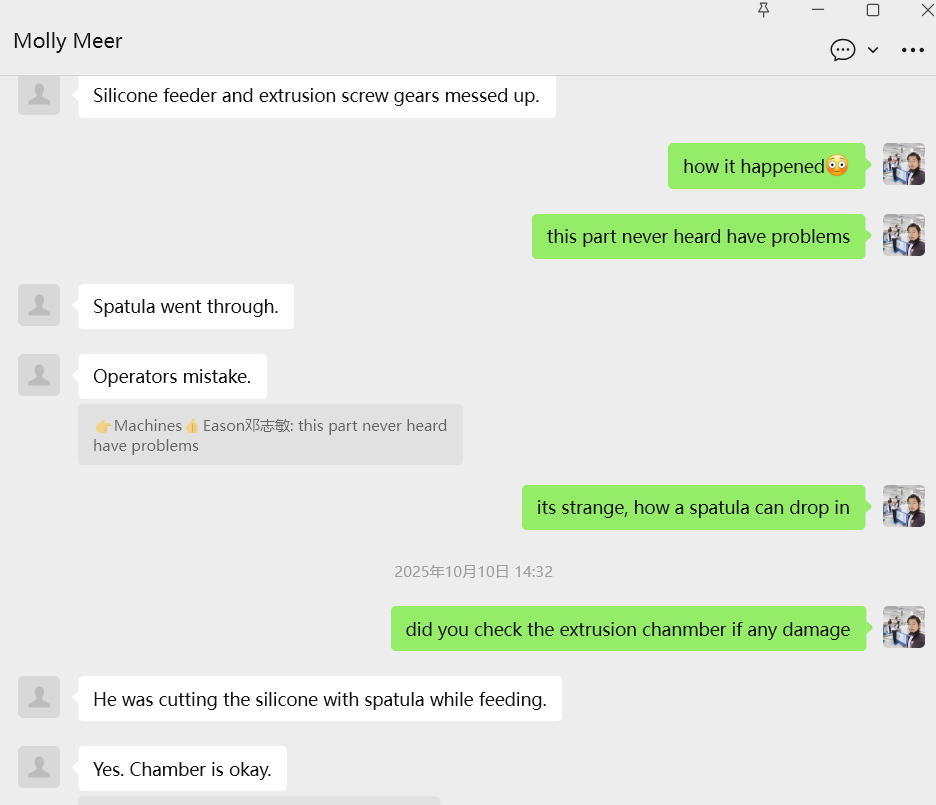
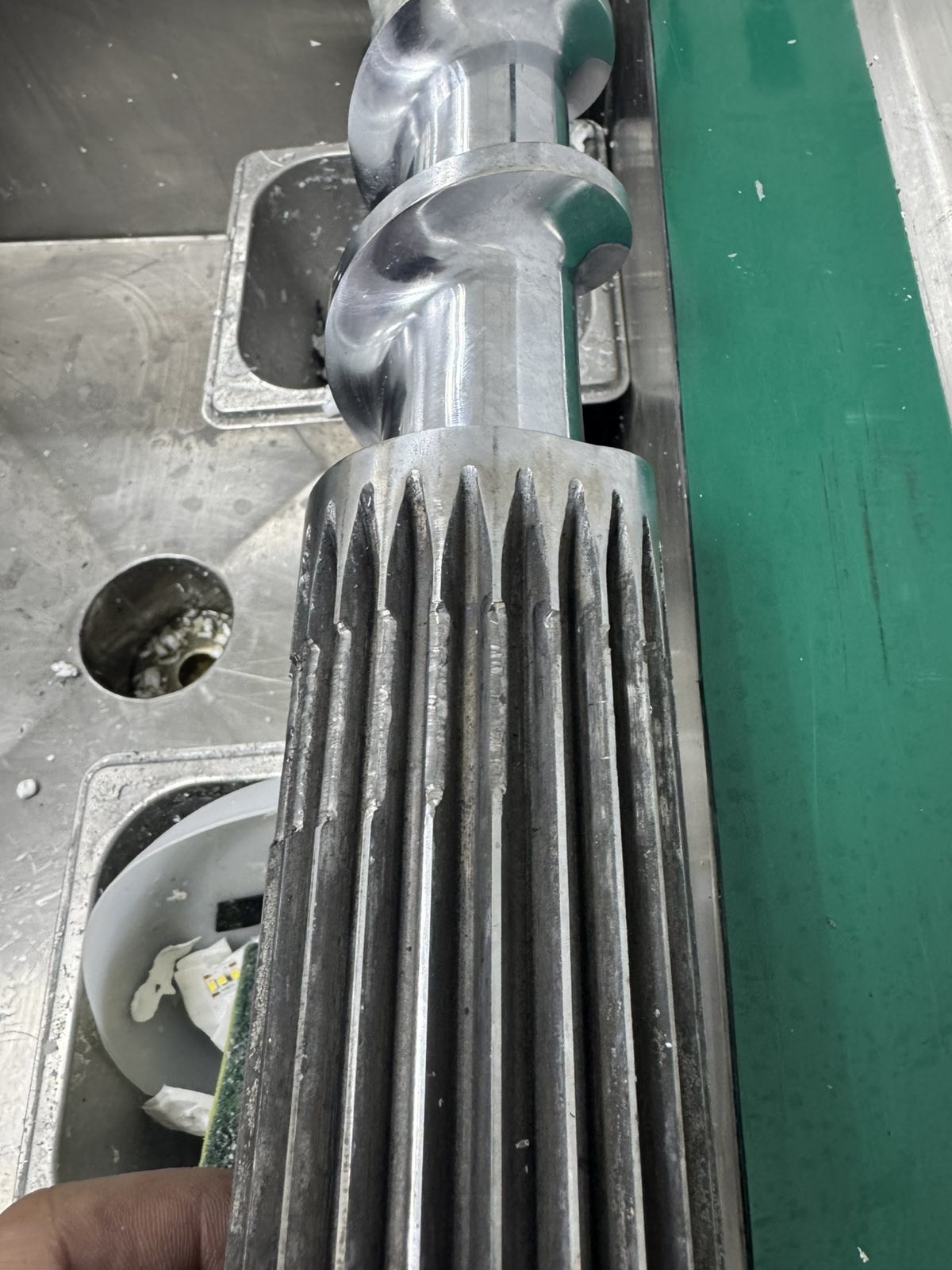
Safety is also a major concern. The feeding hopper is a dangerous place. Workers must never put their hands inside. They also need to make sure no foreign objects fall in. Last October, one of my customers had a big accident. They accidentally dropped a cleaning shovel into the feeding hopper. The shovel went into the machine. It destroyed the extrusion screw gears and the transmission gears. The cost to replace the screw was several thousand dollars. This was a loss that could have been avoided. I use this story in my career story to warn other clients. You must be very careful when you choose manual feeding.
Comparing Manual Feeding vs. Automatic Feeding
When you choose a system for your factory, you must look at the pros and cons. My interest in economics helps me explain these choices to clients. Manual feeding is cheap to buy but expensive to run. Automatic feeding is expensive to buy but saves money over time. Here is a table to show the differences between tri-coextrusion manual silicon feeding and automatic feeding.
| Feature | Manual Feeding | Automatic Feeding |
|---|---|---|
| Initial Investment | Low (Saves money at start) | High (Requires feeding machine) |
| Labor Cost | High (Needs constant worker attention) | Low (Needs minimal monitoring) |
| Consistency | Medium (Depends on worker skill) | Very High (Computer controlled) |
| Risk of Air Bubbles | High (If feeding stops) | Very Low (Constant pressure) |
| Risk of Damage | Medium (Foreign objects can fall in) | Low (Closed system) |
| Material Preparation | Slow (Must cut into strips) | Fast (Uses raw material blocks/pails) |
| Ideal For | Small batches / New startups | Mass production / Large factories |

I always tell my business team that the best choice depends on the client’s goals. If you are starting in a new market like Cambodia or India, manual feeding might be okay for the first few months. But if you want to reach high surface quality for the global market, automatic is the way to go. I can solve any problems from manufacture to your factory, no matter which system you choose. I bring 7 years of experience to every site visit.
Ensuring Stable Process Parameters with Manual Feeding
To get high-quality 1615 profiles with tri-coextrusion manual silicon feeding, you must have stable process parameters. This is very hard with manual feeding. The pressure in the extruder changes every time a new strip is added. The worker must keep the hopper at a constant level. If it gets too low, the pressure drops. This changes the thickness of the silicone. I show my clients how to monitor the output closely. We use a simple gauge to check the dimensions of the strip every hour.
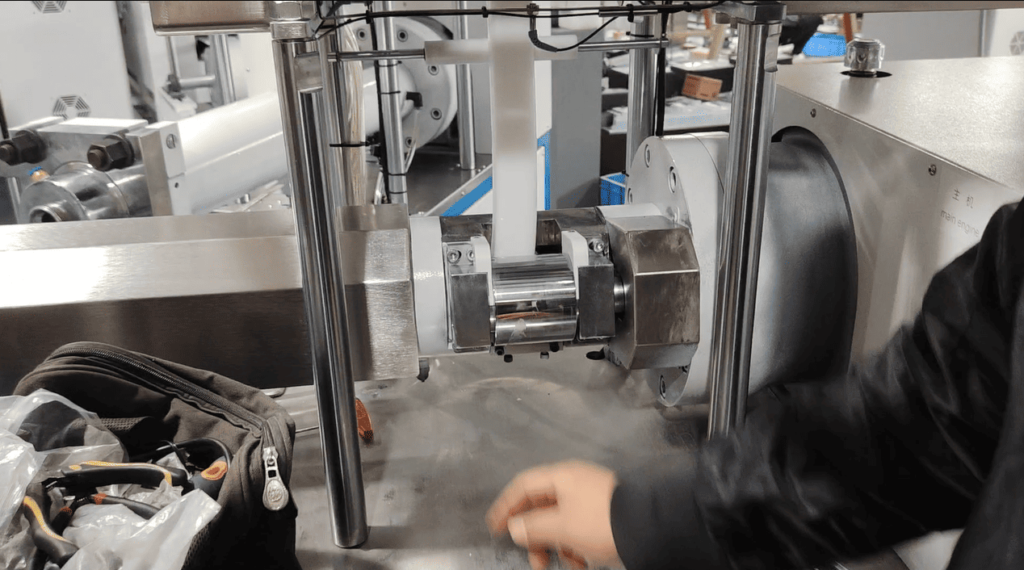
In Russia, I worked with a team that used manual feeding in a very cold factory. The silicone was hard and difficult to cut. We had to warm the material first. This is the kind of technical secret you learn after years in the industry. We adjusted the hardware process to include a warming table. This made the feeding much smoother. The results were excellent. We maintained high surface quality even in a difficult environment. This is why on-site installation training is so valuable. I share my knowledge so you don’t have to learn the hard way.
The Importance of Safety Protocols in the Workshop
Safety is the foundation of a professional international business practice. For tri-coextrusion manual silicon feeding, you must have clear safety rules. I help my clients write these rules. No tools should be near the hopper. Workers must wear the right gloves. There should be a safety guard over the inlet. I use my experience from visiting different factories to spot safety risks. I want every worker to go home safe to their family. I think about my own two sons when I see a dangerous machine.
I also teach the team about the economics of safety. A machine that is broken for a week costs more than a safety guard. The incident with the cleaning shovel was a big lesson for my client. They now have a “no tools” zone around the machine. This simple change saved them from more manufacture problems. I can solve any problems from manufacture to your factory, but I prefer to prevent them first. This is how a skilled engineer works. We look for the risks and we close them.
Maximizing Uniform Optical Properties in LED Strips
The final goal is always a beautiful product. For a 3-color silicone strip, the uniform optical properties are key. If the manual feeding is not steady, the colors will not mix correctly. You might see one color bleeding into another. This is a common issue with tri-coextrusion manual silicon feeding. I show the operators how to watch the flow. We look for the “steady stream” of silicone. It is like watching the water in a river while hiking. You want a smooth flow, not a splashing one.
I have plenty of experience in this industry with 1615 and 1212 profiles. These are high-end products. They are used in luxury hotels and offices. The surface treatment technique must be perfect. If there are air bubbles from poor feeding, the client will reject the whole order. I teach the business team how to perform a final check. We use a bright light to look through the silicone. This is the only way to be sure. I have done this in Malaysia and the Philippines many times. I want your factory to have a reputation for quality.
Professional Training for Business Teams
A business team is only as good as its knowledge. I provide the “know-how” that helps your team succeed. Whether you use tri-coextrusion manual silicon feeding or an automatic system, you need the right skills. I spend a lot of time in the workshop during my on-site installation training. I show the workers the right way to cut the silicone. I show them how to feed the machine without introducing air. I use my career story to inspire them. I want them to be proud of their work.
I enjoy the teamwork when we solve a difficult manufacture problem. It is like being back on the basketball court. We all have a role to play. I bring my experience from Saudi Arabia and Russia to your factory floor. I have seen every kind of setup. I know what works and what doesn’t. I am not just a sales engineer; I am a partner in your success. I stay with you until the machine is running perfectly and the team is confident. This is my commitment to you.
The Future of Silicone Extrusion Technology
The industry is moving fast. While tri-coextrusion manual silicon feeding was the start, automation is the future. I stay updated on the latest trends in politics and economics. I see how global trade is changing. Factories need to be more efficient to compete. I help my clients plan for the future. We might start with manual feeding to save money, but we design the layout for an easy upgrade to automatic feeding later. This is a professional international business practice.
I want my two sons to grow up in a world where technology makes life better. I want to build machines that are safe and efficient. Whether I am riding cycles in Hainan or designing a new CNC process for a mold, I am focused on quality. I have 7 years of experience in this industry, and I am still learning every day. I visit different factories to see the newest ideas. I bring this knowledge to you. I can solve any problems from manufacture to your factory. Let’s work together to reach the top.
Conclusion
Tri-coextrusion manual silicon feeding is a practical choice for many new factories. It reduces the initial cost and allows you to start production quickly. However, it requires a high level of skill and constant attention from the workers. You must be aware of the risks of air bubbles, uneven proportions, and machine damage. By following professional safety protocols and maintaining stable process parameters, you can still produce high-quality 1615 and 1212 profiles. My 7 years of experience in the industry have taught me that success is in the details. From the snow mountains to the factory floor, preparation and focus are the keys to a perfect result.
I am Eason, and I am ready to help your factory succeed. Whether you need tri-coextrusion manual silicon feeding or a fully automated system, I have the experience to guide you. My business team is dedicated to providing the best hardware and on-site installation training in the world. We can solve any problems from manufacture to your factory. Let’s build a productive and safe manufacturing line together. Contact me today to start our partnership and bring high surface quality to your LED products.
- Tracking Machine for Silicon Extrusion: How to Ensure Stable Process Parameters
- Hiring the Perfect Extrusion Engineer in 2026: A Blueprint for Your LED Silicone Production Line
- Mastering the Factory Acceptance Test: A Live Guide to Silicone LED Strip Machine Commissioning
- Zero Waste Strategy: How to Reuse Tail Materials in Silicone LED Strip Extrusion
- Passing the Torch: Teaching Silicone LED Strip Extrusion Training to the Next Generation