
My name is Eason. I am a skilled LED strip light extrusion machine sales engineer. I have worked in this industry for more than 7 years. I have two sons who always wait for me to come home from my business trips. I love reading books about world history and global economics. These books help me understand international business practice very well. I also love physical challenges. I have finished many desert hiking trips and snow mountain climbs. In February 2026, I took my wife and two sons to ride cycles around the island of Hainan. We spent many days on the road. It was hard but we finished the loop. This taught my sons about finishing what you start. In the factory, finishing a job means doing a proper clean up. I visit different factories every month. I have experience in creating products. I know well about the CNC process and the hardware process. I also understand surface treatment techniques. I have been to Saudi Arabia, Russia, Vietnam, and many other countries for on-site installation training. I can solve any problems from manufacture to your factory.
In this article, I will explain the clean process after production. You can see the details in my latest video. This step is very important for an automated silicone extrusion line. If you do not clean the machine correctly, the 1615 or 1212 profile will have defects tomorrow. Many people think they can just turn off the power. But you need the right “know-how” to protect your hardware. I will show you how to handle the leftover silicone and why the hardware process must be strict. This will help your business team avoid manufacture problems and keep high surface quality.
The Importance of a Strict Clean Process After Production
The clean process after production is the foundation of machine longevity. Silicone is a material that changes over time. If you leave it inside the extruder, it will slowly cure. Cured silicone becomes hard like rubber. This hard silicone will block the screw. It will also damage the 1615 or 1212 profile mold. When you start the machine the next day, the pressure will be too high. This causes manufacture problems that are very expensive to fix. In my 7 years of experience, I have seen many screws break because of poor cleaning.
I remember a project in Saudi Arabia. The factory was very busy. The workers were tired at the end of the shift. They skipped the clean process after production for three days. On the fourth day, the extruder head exploded because of the pressure. I had to fly there to help them. We spent two days cleaning the hardened silicone by hand. It was like climbing a snow mountain in a storm. You must be patient and careful. I showed the business team a professional hardware process for cleaning. Since then, they have had no more blockages. Professional international business practice means taking care of your tools. A clean machine ensures stable process parameters for every run.
Steps for Cleaning the Extruder Barrel and Screw
The hardware process for cleaning the barrel is specific. First, you must stop the auto-feeder. Then you run the extruder until no more silicone comes out of the mold. Next, you must open the extruder head. You should use a copper tool to scrape the hot silicone. Do not use steel tools. Steel can scratch the surface treatment of the screw. These scratches will cause bubbles in your next batch of 1615 profiles. This ruins the high surface quality.
In Russia, I worked with a client who used a steel screwdriver to clean the screw. They created many deep scratches. Later, they asked me why their 1212 profiles had lines on the surface. I showed them the damage. We had to use a CNC process to repair the screw. It was a very hard lesson for them. During my on-site installation training, I always give my clients a set of copper cleaning tools. I teach the workers how to use them gently. I enjoy the teamwork when I show them these technical secrets. It is like a basketball team practicing their defense. You must do the boring work to win the game. A good clean process after production makes your automated silicone extrusion line run like new.
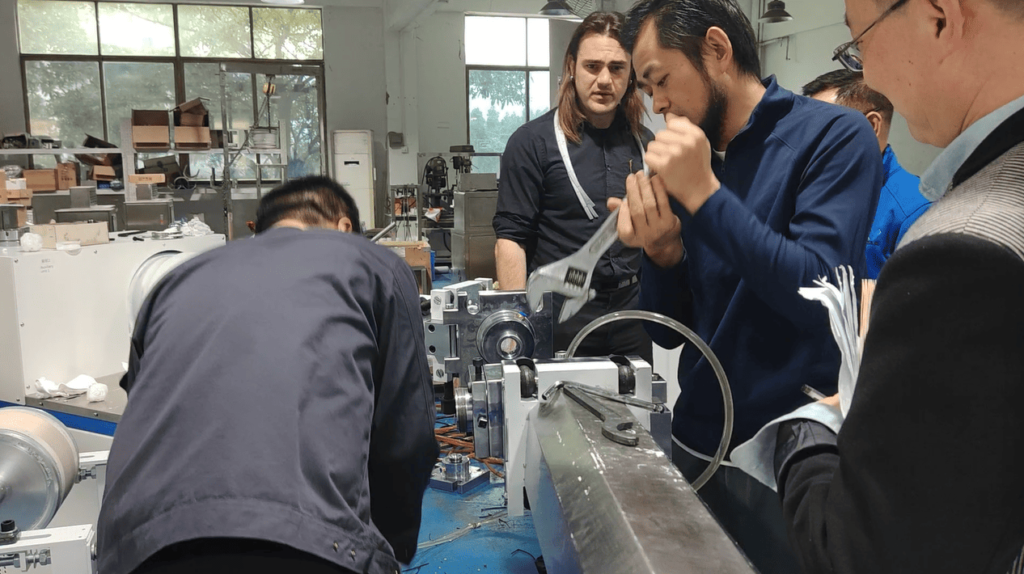
Maintaining the 1615 and 1212 Profile Molds
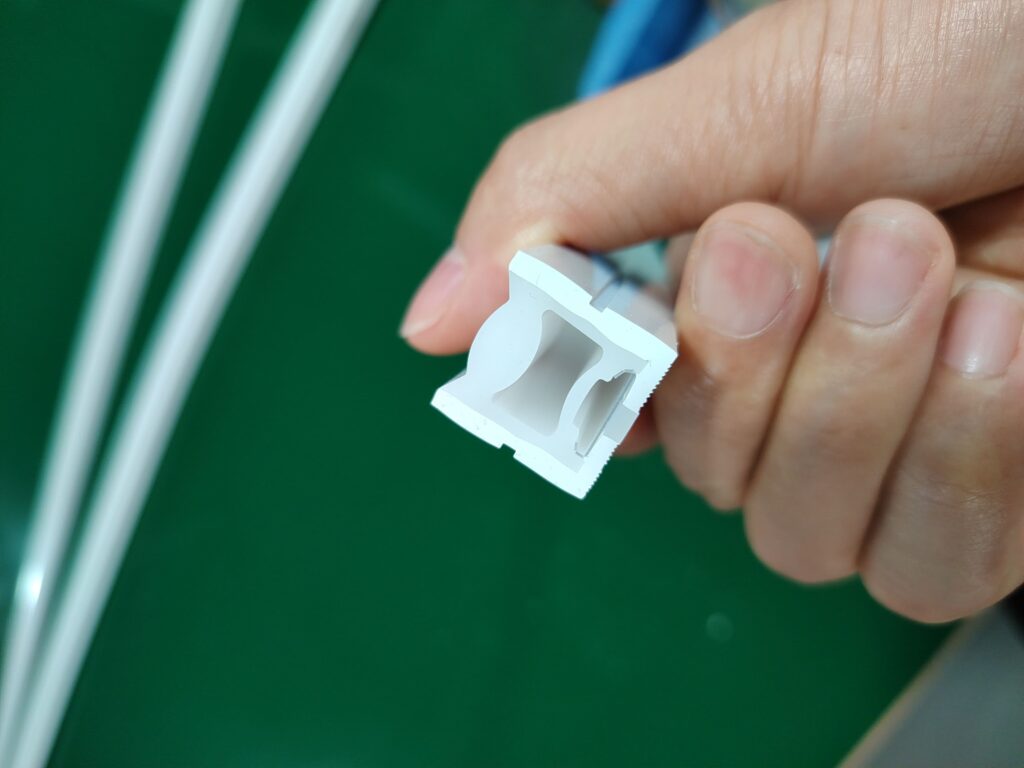
The molds are the most delicate part of the hardware process. To keep high surface quality, the mold must be spotless. After production, you must remove the mold from the extruder. You should soak it in a special cleaning solution. This solution softens the silicone without hurting the metal. If you leave silicone inside the small holes of a 1212 profile mold, it will block the light path. This ruins the uniform optical properties of your LED strip.
I have seen many manufacture problems in Vietnam and the Philippines. Workers often forget to clean the internal air channels of the mold. These channels are very small. If they are blocked, the silicone will collapse during the next run. In my career story, I always emphasize mold care. I help my clients build a mold cleaning station. This station is part of a professional international business practice. When your molds are clean, your products look premium. I have plenty of experience in this industry to know that a dirty mold is a waste of money. I can solve any problems from manufacture to your factory by setting up a good mold management system.
Cleaning the Auto-Feeder and Material Pipes
The clean process after production also includes the auto-feeder. Silicone can hide in the pipes and the pump. You must flush the system with a cleaning agent. If you change colors tomorrow, this step is even more vital. If you leave red silicone in the pipe and start a white batch, the first 100 meters will be pink. This is a common manufacture problem that wastes a lot of material. You must ensure the feeding path is completely clear.
I think about my cycling trip in Hainan. We had to clean our chains every night because of the sand. If we didn’t, the cycles would be hard to ride the next day. The auto-feeder is the chain of your factory. In India, I helped a business team reduce their waste. We improved their clean process after production for the feeding system. They saved 20kg of silicone every week. My interest in economics tells me that this is a huge saving over a year. I use my hardware process knowledge to help you stay profitable. Your automated silicone extrusion line needs a clean diet. I show you how to provide it through on-site installation training.
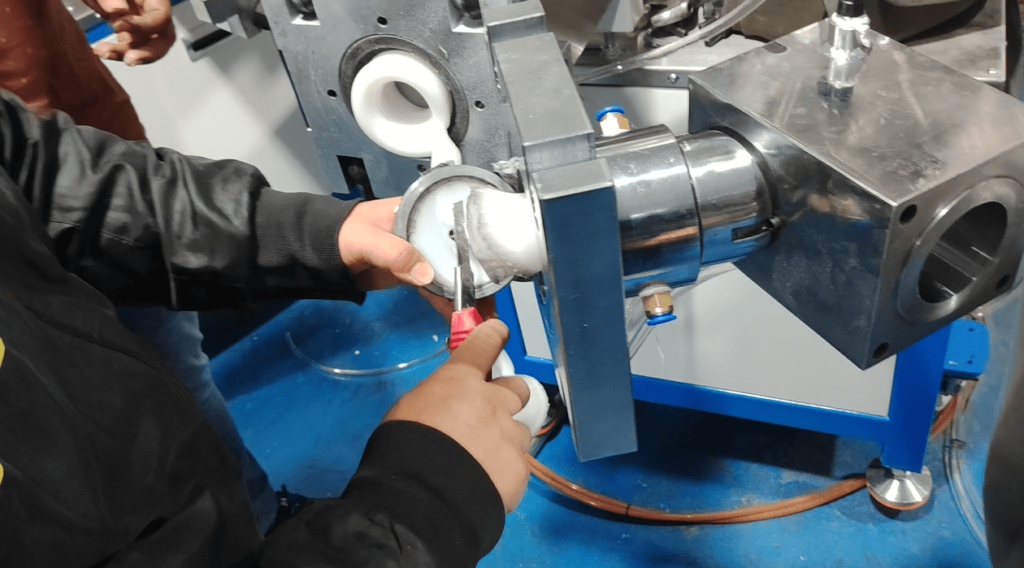
Managing the Cooling Water and Tunnel Oven
The tunnel oven and the cooling water system need attention too. During the clean process after production, you must check the conveyor belt. Silicone drips can stick to the belt. If these stay there, they will bake hard in the oven. The next day, these drips will mark the bottom of your 1615 profiles. This ruins the high surface quality. You should wipe the belt with a damp cloth while it is still warm. Also, you must drain the cooling water if the factory is in a cold place like Russia. This prevents the pipes from freezing and bursting.
I love reading about the environment. It helps me understand how temperature affects factory machines. In Russia, the winter is very long. I taught a business team how to protect their cooling hardware process. We used a special antifreeze solution. This is part of maintaining stable process parameters. If your cooling is not consistent, your product shape will change. I have plenty of experience in this industry to help you with these environmental challenges. Whether I am hiking on a snow mountain or working in a factory, I always think about the next step. A good clean up today means a smooth start tomorrow.
The Role of On-Site Installation Training in Cleaning Habits
Cleaning is a habit. My on-site installation training is designed to build this habit. I don’t just tell people to clean. I show them the results of not cleaning. I show them the damaged parts and the wasted material. I want the business team to feel proud of their clean machines. To guide a clean process after production is to guide the future of the factory. I spend at least half a day on cleaning education.
I think about my two sons. I teach them to clean their rooms every Sunday. At first, they didn’t want to do it. Now, they enjoy the clean space. It is the same with factory workers. In Cambodia, the workers were very happy when I showed them how easy cleaning is with the right tools. We made a checklist for the clean process after production. Every worker signs the list at the end of the day. This is a professional international business practice. It makes the management feel safe. I can solve any problems from manufacture to your factory by changing the culture of the workforce.
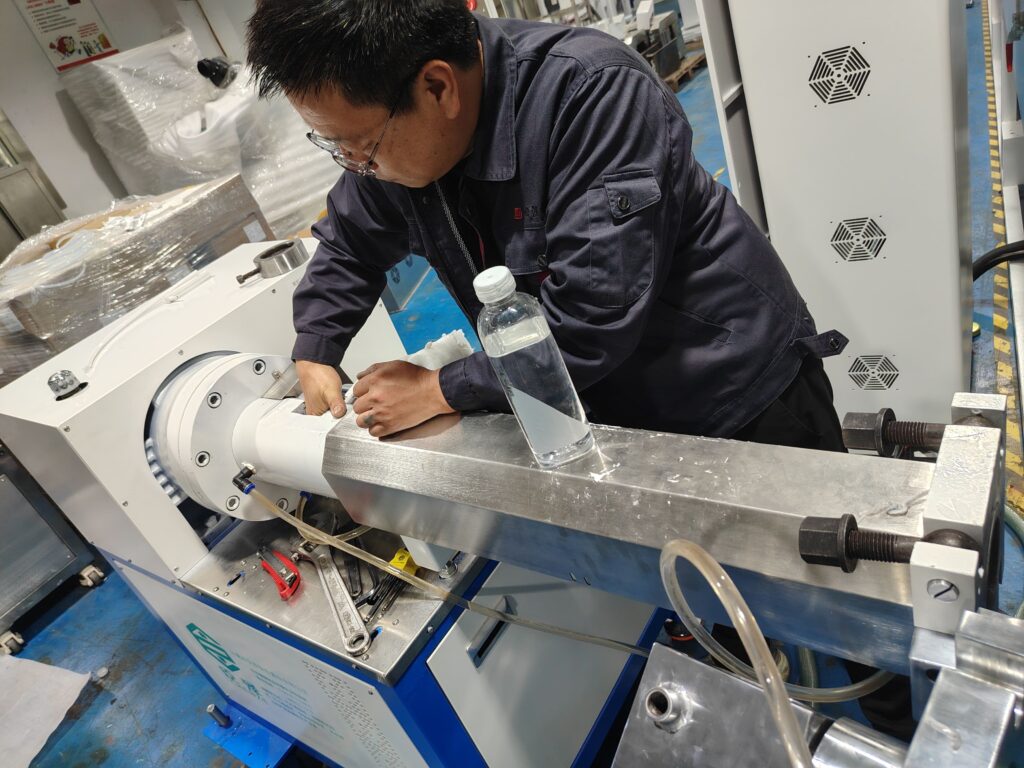
Achieving High Surface Quality through Daily Cleanliness
High surface quality is the goal of every high-end LED strip. You cannot reach this goal in a dirty factory. The clean process after production keeps the dust away. When you open the extruder to clean it, you must ensure the air is clean. Any dust that enters the barrel will show up in the next 1615 profile. This causes manufacture problems that look like small black dots. These dots block the light and ruin the uniform optical properties.
I have interest in politics and I see how countries are setting higher standards for electronics. You must have a “clean room” mindset even in a heavy hardware process factory. In Malaysia, I helped a client set up a curtain system around the extrusion line. We combined this with a strict clean process after production. Their product quality became the best in the region. My knowledge of surface treatment techniques helps me advise you on these small but big details. I bring 7 years of “know-how” to make your product stand out. A clean machine is a precision machine.
Stable Process Parameters and the Restart Phase
A clean machine starts faster. When you follow a good clean process after production, the restart phase is easy. You don’t have to wait for old silicone to burn out. You reach stable process parameters in 15 minutes instead of one hour. This saves energy and material. For an automated silicone extrusion line, time is money. I teach the business team how to prepare the machine for a “cold start.”
I remember a factory in Poland. They had a very slow start every morning. I found that they left too much silicone in the extruder head. We changed their clean process after production. The next morning, the line was running at full speed in no time. It was like a fast break in basketball. I love the feeling of a machine running perfectly. My career story is about making machines work better for people. I use my experience in the CNC process to ensure every part fits perfectly after cleaning. I want your business team to be the most efficient in the world.
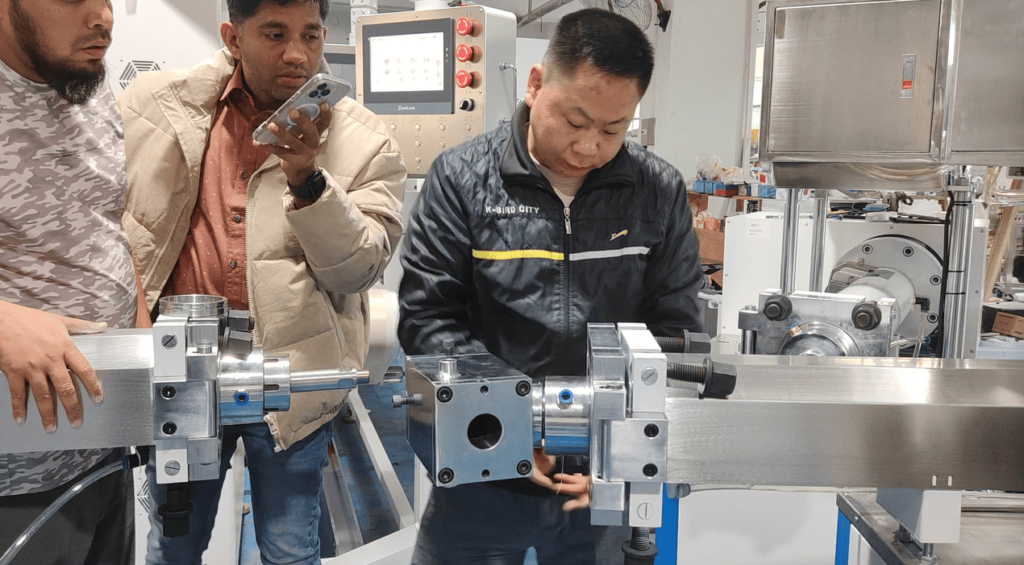
Professional International Business Practice and Technical Support
When you buy our machines, you get my full support for the hardware process. This includes the clean process after production. I provide videos and manuals in many languages. I am always available on WhatsApp for my clients in Vietnam, India, or Saudi Arabia. If you have a manufacture problem, I can help you find the cause. Often, the cause is hidden in the cleaning steps.
I have been to many countries and seen many different ways of working. I respect the local culture, but I always insist on professional international business practice. This means following the technical rules. In February 2026, while I was riding cycles with my sons in Hainan, I received a message from a client. They were struggling with a clean up. I sent them a quick video guide from my phone. We fixed the issue while I was resting under a tree. I am dedicated to your success 24/7. My 7 years of experience are at your service. I can solve any problems from manufacture to your factory.
Long Term Benefits of an Automated Silicone Extrusion Line
An automated silicone extrusion line is a large investment. You want it to last for 10 or 20 years. The clean process after production is how you reach that goal. It prevents corrosion and wear on the hardware process parts. It keeps the 1615 and 1212 profile molds sharp. A well-maintained machine has a higher resale value too. My interest in economics helps me see the machine as an asset that must be protected.
I think about the future of my two sons. I want to build a world where we don’t waste things. Keeping a machine clean is a form of respect for the resources we use. I enjoy the teamwork with my clients when we discuss these long-term goals. In Russia, a client has been using our line for 5 years without a single major repair. They follow my clean process after production every single day. Their business team is very proud of this record. This is the kind of career story I want to share. I help you build a factory that is efficient, clean, and profitable.
Training the Next Generation of Operators
I love teaching. During my on-site installation training, I look for the youngest workers. I want to teach them the right way to do the clean process after production before they learn bad habits. I show them that cleaning is not a “low” job. It is a technical job. To understand the hardware process, you must understand how to take it apart and clean it. This is the best way to learn how the extruder works.
I think about my sons learning new skills. They are like sponges. In India, I trained a group of young engineers. They were very excited to learn about uniform optical properties and high surface quality. We spent a whole day on the clean process after production. They asked many smart questions about the CNC process. I felt very happy to share my “know-how” with them. My plenty of experience in this industry is a gift I give to my clients. I want your factory to have a bright future with skilled people. I can solve any problems from manufacture to your factory by empowering your team.
Conclusion
The clean process after production is a vital part of running a successful LED strip factory. It protects your hardware process, ensures high surface quality, and maintains stable process parameters for the automated silicone extrusion line. Whether you are making 1615 or 1212 profiles, a strict cleaning routine is the key to uniform optical properties and long-term machine life. My 7 years of experience and my career story across the globe show that professional international business practice starts with a clean machine. From the snow mountains to the cycling paths of Hainan, I have learned that care and precision lead to the best results.
I am Eason, and I am here to help you master every step of the extrusion process. I provide on-site installation training and professional technical support. I can solve any problems from manufacture to your factory. Let’s work together to build a factory that is clean, efficient, and ready for the future. Contact me today to learn more about our machines and our training programs. Together, we can light up the world with high-quality silicone products.
- Tracking Machine for Silicon Extrusion: How to Ensure Stable Process Parameters
- Hiring the Perfect Extrusion Engineer in 2026: A Blueprint for Your LED Silicone Production Line
- Mastering the Factory Acceptance Test: A Live Guide to Silicone LED Strip Machine Commissioning
- Zero Waste Strategy: How to Reuse Tail Materials in Silicone LED Strip Extrusion
- Passing the Torch: Teaching Silicone LED Strip Extrusion Training to the Next Generation