
My name is Eason. I am a skilled LED strip light extrusion machine sales engineer. I have worked in this industry for more than 7 years. I have two sons. I love reading books about economics and global markets. I also love outdoor activities. I have finished many desert hiking trips and snow mountain climbs. In February 2026, I took my family to ride cycles around Hainan island. Recently, I started a new hobby. I bought a yearly membership for motorcycle driving training. At first, I tried to practice by myself. But I fell off the bike many times. Especially during corners, I felt I was going too fast. I would squeeze the front brake and crash inside the turn. My coach told me my habits were wrong. He said I need a professional to correct every move and my line of sight. I decided to hire a coach and start again from the beginning. This taught me a big lesson. Even if you think you know something, professional training is essential. This is exactly why I provide silicone refining skills training for my clients.
In this article, I will focus on silicone refining skills training. You can watch the demonstration in my latest video. We will discuss how to prepare material efficiently and safely. Many people ignore the preparation stage. But this stage determines the success of the automated silicone extrusion line. If the material is not refined well, the 1615 or 1212 profile will have defects. I will share my “know-how” about the hardware process and surface treatment techniques. I want to help your business team avoid manufacture problems. I have been to Saudi Arabia, Russia, and India for on-site installation training. I know that professional guidance saves time and money.
The Necessity of Professional Silicone Refining Skills Training
Professional silicone refining skills training is the foundation of a good factory. Like my motorcycle experience, self-learning can lead to bad habits. In the factory, bad habits lead to waste or accidents. I show workers how to stand and how to hold the cutting knife. I explain the logic of the machine rollers. The rollers are very strong. If you do not respect them, they are dangerous. This training makes sure everyone knows the safe boundaries. It builds a professional culture in your business team.
I remember a factory in Vietnam. The workers were very fast but very messy. They did not follow a standard hardware process. I spent three days doing silicone refining skills training with them. We focused on the rhythm of the mixing. I showed them how to fold the rubber sheet perfectly. This small change improved their efficiency by 15%. They stopped making mistakes that caused machine downtime. My 7 years of experience help me see these small details. When you have a coach, you learn the right way from the start. This is better than fixing problems later.
Safety First in the Silicone Refining Process
Safety is the most important part of silicone refining skills training. The refining machine has two heavy rollers. They spin toward each other. You must never put your hands near the “nip” point. I teach workers to use the wooden or plastic tools instead of fingers. We also practice the emergency stop procedure. Every worker must know where the stop button is. They must be able to hit it without looking. This is a basic part of professional international business practice.
When I was hiking in the desert, safety was also the first priority. You must check your GPS and your water every hour. If you get lost, it is a big disaster. In the factory, an accident is a disaster for the family and the company. I tell my career story to the workers to make them understand. I have seen many factories in the Philippines and Malaysia. The best factories are always the safest ones. During my on-site installation training, I do not let anyone touch the machine until they pass the safety check. This protects your hardware and your people. It ensures a stable process for years.
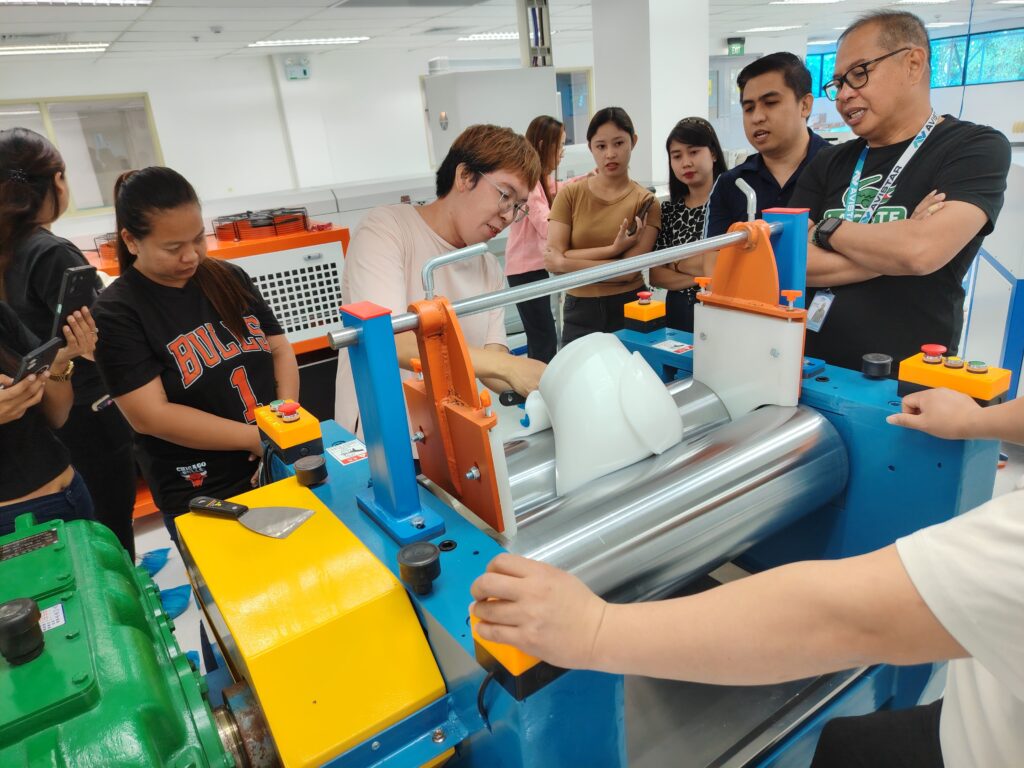
Improving Efficiency Through Correct Cutting Techniques
Efficiency comes from the “know-how” of cutting. In silicone refining skills training, I show how to cut the rubber at a 45-degree angle. You move the knife from one side to the other. Then you fold the material back into the center. This action mixes the additives very quickly. If you just let the rubber spin, it takes twice as long. A skilled worker can finish a batch in 8 minutes. An unskilled one takes 15 minutes. This is a huge difference in total production capacity.
I think about my basketball games. A good team moves the ball fast. They don’t waste any movement. My training helps your workers move like a team. In India, I coached a business team that was struggling with high labor costs. We focused on these cutting techniques. We reduced the refining time by half. This meant the extrusion line never had to wait for material. My knowledge of the hardware process helped them increase their daily output. We turned a slow factory into a high-speed production center. This is the value of professional silicone refining skills training.
The Technical Order of Adding Chemical Agents
The order of chemicals is a core part of silicone refining skills training. You cannot just throw everything in at once. We start with the light diffusion agents. Then we add the color pigments. We wait for the color to be perfectly uniform. The final step is the curing agent. We add Component B first and then Component A. This strict sequence ensures the chemical reaction happens at the right time. If you add Component A too early, the material will become hard on the rollers.
I have plenty of experience in this industry with different formulas. In Saudi Arabia, the high heat makes the reaction faster. We had to adjust the timing of the additives. I taught the local engineers how to read the texture of the silicone. This is the “know-how” that books cannot teach you. You must see it and feel it. During my on-site installation training, I make each worker perform this sequence three times. I want it to become a natural habit for them. This is how you maintain stable process parameters every day. It ensures that every 1615 profile has the same high surface quality.
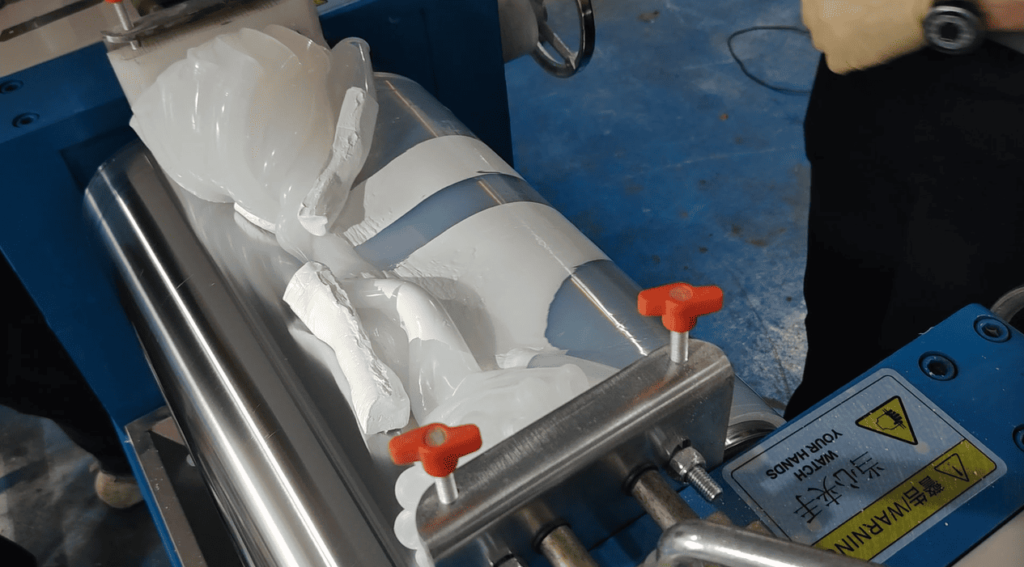
Visual Inspection Skills for Material Consistency
Visual inspection is a key skill I teach. During silicone refining skills training, I show how to look for streaks. If you see a line of color, the mix is not ready. The rubber should look like one solid color. It should also have a specific level of transparency. We use a light box to check the samples. This ensures the uniform optical properties of the LED strip. If the material is not consistent, the light will be patchy.
My interest in surface treatment techniques helps me define these standards. I remember a client in Russia who had problems with “cloudy” silicone. We found that their mixing time was too short. I stayed with them and refined our visual check process. We created a “standard sample” for every color. The workers compared their batch to the sample. This simple step removed all manufacture problems related to color. This is part of the career story I bring to my clients. I solve problems by creating better systems for your people.
Managing the Roller Temperature and Gap Distance
The hardware process involves managing the machine settings. In silicone refining skills training, we learn about the roller gap. If the gap is too wide, the material does not squeeze well. If it is too tight, the motor works too hard. We also monitor the temperature. Friction makes the rollers hot. We must use the cooling water system to keep it under 40 degrees. If it gets hotter, the silicone will start to cure too early.
I think about my cycling trip in Hainan. We had to check our tire pressure and our speed. If we went too fast on a hot road, the tires could have problems. The refining machine is the same. In Cambodia, I helped a factory fix their cooling pipes. They were blocked by minerals in the water. This caused many failed batches. I showed them how to maintain the hardware for a stable process. This is the “know-how” that protects your investment. I can solve any problems from manufacture to your factory.
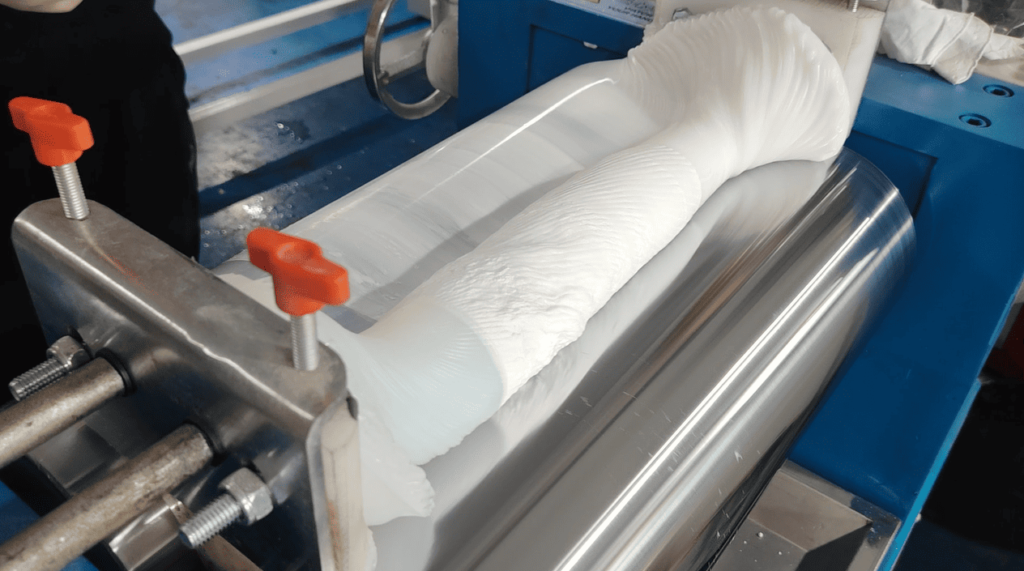
Preventing Contamination in the Material Prep Zone
Contamination is a major manufacture problem. In silicone refining skills training, I emphasize cleanliness. One small piece of black rubber can ruin a whole batch of white silicone. We use dedicated rollers for light and dark colors. If that is not possible, we clean the rollers three times with alcohol. We also check the air around the machine. Dust is a hidden enemy. It can ruin the uniform optical properties of the final product.
I am a very detailed person. When I go hiking on snow mountains, I check every piece of gear. A small leak in my jacket can be a big problem. In the factory, I am the same. I visited a factory in Poland where they had dust issues. I helped them design a simple plastic curtain for the refining area. This reduced their defect rate by 5%. This is the kind of professional international business practice I advocate for. I want your high surface quality to be perfect every time. Cleanliness is a habit that I teach to your business team.
Refining for Specific Profiles: 1615 and 1212
Different profiles need different material stiffness. In silicone refining skills training, we learn how to adjust the rubber. For a large 1615 profile, the silicone needs to be a bit harder to hold its shape. For a small 1212 profile, it needs to be softer to flow into the small details of the mold. We adjust this by changing the refining time or the amount of additive. This is the peak of manufacturing “know-how.”
I have experience in creating products for many markets. I know what the global market wants. In Vietnam, we worked on a very thin profile for a high-end project. We had to refine the silicone to a very specific density. I used my knowledge of the CNC process to match the material with the mold. This synergy is the key to success. My career story is about finding these perfect matches. I help your business team understand the link between the material and the final shape. This ensures your automated silicone extrusion line produces world-class products.
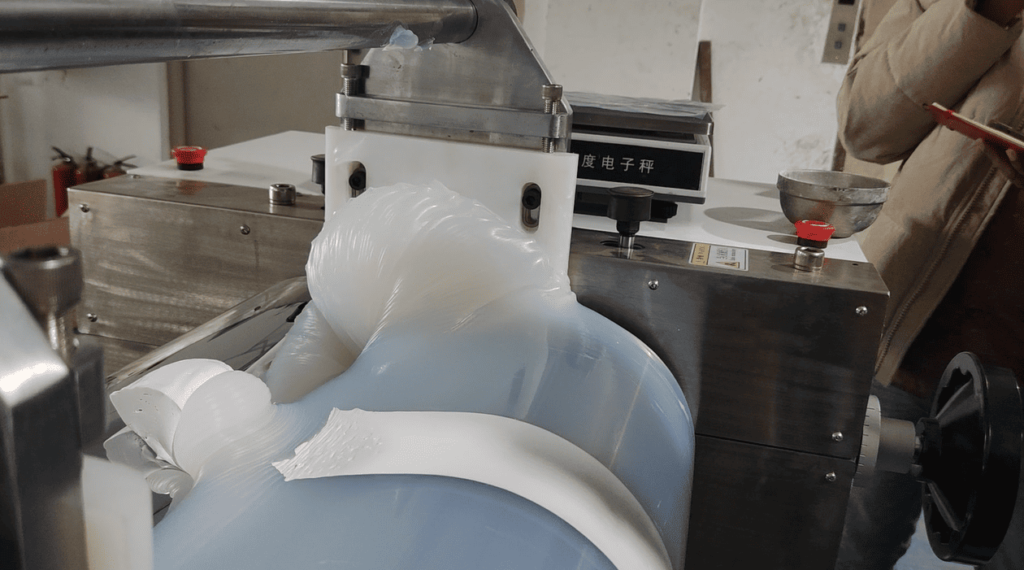
Training Records and Performance Tracking
How do you know if your workers are improving? In silicone refining skills training, I introduce performance logs. We record how long each worker takes to refine a batch. We record the quality of each batch. This data helps the business team manage their production. It also motivates the workers to get better. This is part of my interest in economics. Data-driven management leads to higher profits.
I remember my motorcycle coach. He recorded my lap times and my body position. He showed me the data to help me improve. I do the same for my clients. In a factory in India, we started a “best refiner” award. The workers became very competitive and careful. Their efficiency went up, and their mistakes went down. My plenty of experience in this industry shows that people work better when they have clear goals. I help you set those goals during my on-site installation training. This is how we build a professional and efficient factory together.
Maintaining the Refining Machine for Long Life
The last part of silicone refining skills training is maintenance. A professional worker must take care of his tools. We learn how to grease the bearings and check the gear oil. We also look at the surface of the rollers. If they are scratched, they will mark the silicone. We use surface treatment techniques to keep the rollers smooth. This prevents expensive manufacture problems in the future.
I think about my hiking gear. I clean my boots and my backpack after every trip. This makes them last for many years. In the factory, good maintenance saves thousands of dollars. In Saudi Arabia, I helped a client set up a weekly maintenance schedule. They have been using the same machines for 5 years without a major breakdown. This is the result of good training. I can solve any problems from manufacture to your factory by teaching your team to be proactive. My career story is built on long-term relationships with my clients.
Conclusion
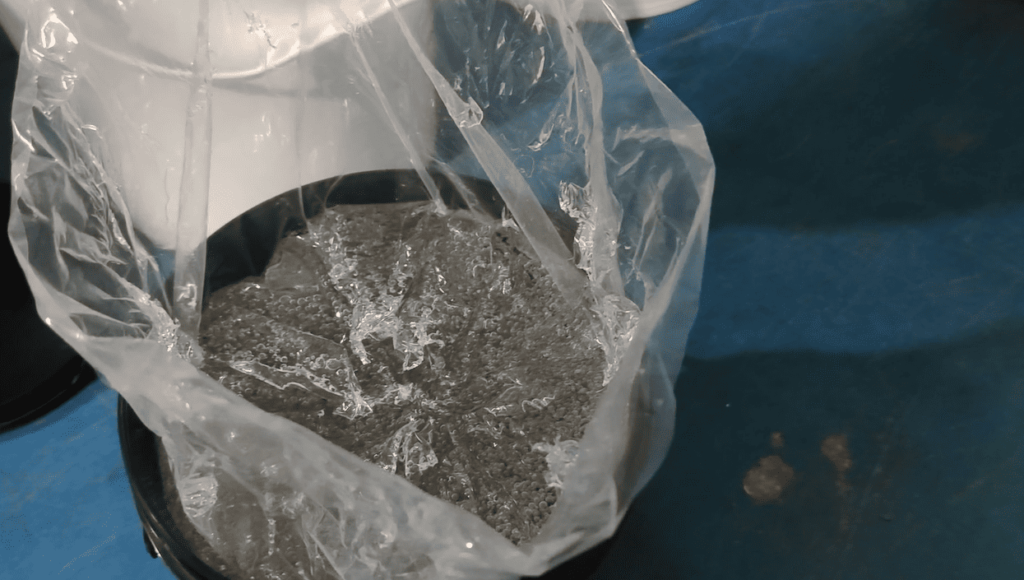
Silicone refining skills training is the key to a safe, efficient, and high-quality production line. By teaching your workers the correct “know-how,” you can avoid manufacture problems and achieve high surface quality. From safety protocols to the order of chemical additives, every detail matters. My 7 years of experience and my career story in countries like Russia and India help me provide the best training for your business team. Just like I learned that a motorcycle coach is necessary for success, a professional trainer is necessary for your factory.
I am Eason, and I am dedicated to your success in the LED industry. If you want to improve your automated silicone extrusion line, start with your material preparation. I provide on-site installation training that covers every hardware process. I can solve any problems from manufacture to your factory. Let’s work together to create uniform optical properties and high-end 1615 profiles. Contact me today to start your professional training journey. Together, we can make your factory a leader in the global market.
- Tracking Machine for Silicon Extrusion: How to Ensure Stable Process Parameters
- Hiring the Perfect Extrusion Engineer in 2026: A Blueprint for Your LED Silicone Production Line
- Mastering the Factory Acceptance Test: A Live Guide to Silicone LED Strip Machine Commissioning
- Zero Waste Strategy: How to Reuse Tail Materials in Silicone LED Strip Extrusion
- Passing the Torch: Teaching Silicone LED Strip Extrusion Training to the Next Generation