
My name is Eason. I am a skilled LED strip light extrusion machine sales engineer. I have worked in this industry for more than 7 years. I have two sons. They are my pride and joy. I love the outdoors. I have many times hiked snow mountains. These mountains are very beautiful but also very dangerous. You must be very careful with every step. I also like desert hiking. The desert teaches you about patience and endurance. In February 2026, I brought my wife and two sons for a cycling trip around the island of Hainan. We spent many days on the road together. It was a great family experience. I also like to play basketball. I enjoy the teamwork on the court. It reminds me of how a professional business team should work together. I visit different factories every month. I have experience in creating products. I know well about the CNC process and the hardware process. I also understand surface treatment techniques. I know international business practices very well. I can solve any problems from manufacture to your factory. My career story has taken me to many countries. I have been to Saudi Arabia, Russia, Vietnam, the Philippines, Malaysia, Cambodia, and India for on-site installation training. I have plenty of experience in this industry.
Today I want to share a silicone material refine demo to customers. This is a very important part of the production process. In my latest video, I show how we prepare the raw silicone. Many people think the machine does all the work. But the material preparation is the foundation. If the silicone is not refined correctly, the final LED strip will have many problems. You might see bubbles. You might see uneven colors. This demo is about the “know-how” of mixing and refining. It is about making sure your factory has the best start for every production run.
The First Step of Silicone Material Refining: Raw Rubber Awakening
The first step in our silicone material refine demo to customers is called “awakening the rubber.” Raw silicone rubber is often very stiff when it comes out of the package. It has been sitting in storage for a long time. You cannot just throw it into the extruder. You must first put the raw rubber through the refining machine. This process softens the material. It makes the silicone more flexible. It prepares the internal structure of the rubber to accept the additives. We call this “awakening” because the rubber becomes active again.
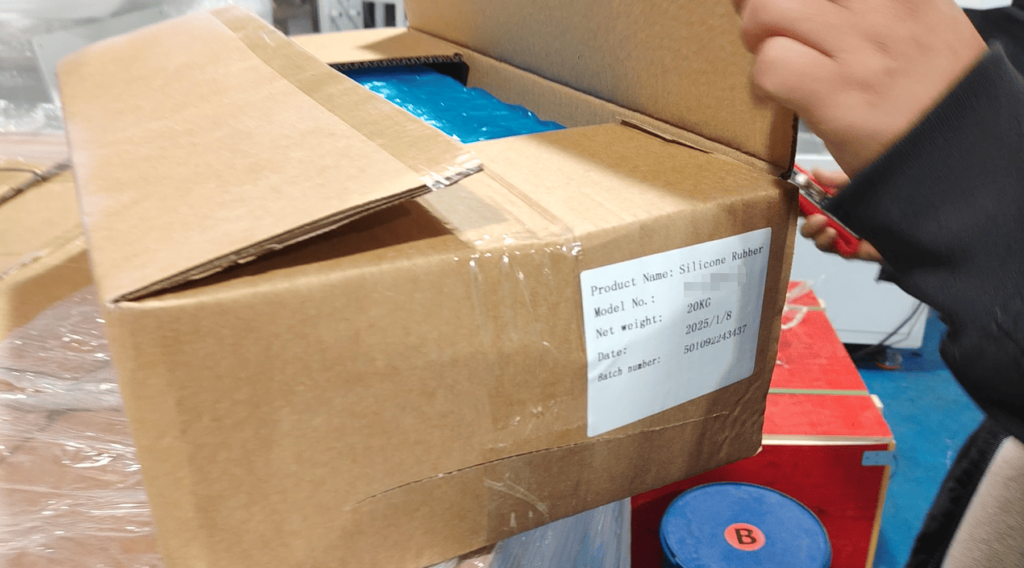
I often compare this to a warm-up before a basketball game. You cannot just start running and jumping. You need to stretch your muscles. The silicone rubber is the same. If you do not awaken it, the additives will not mix well. The rubber will be lumpy. This will cause manufacture problems later. In Russia, I saw a factory that skipped this step. Their LED strips were very brittle. I showed them how to refine the raw rubber first. The quality improved immediately. My 7 years of experience tell me that you must respect the material. This first step ensures a stable process for the whole day.
Adding Light opacifying OR Diffusion Agents
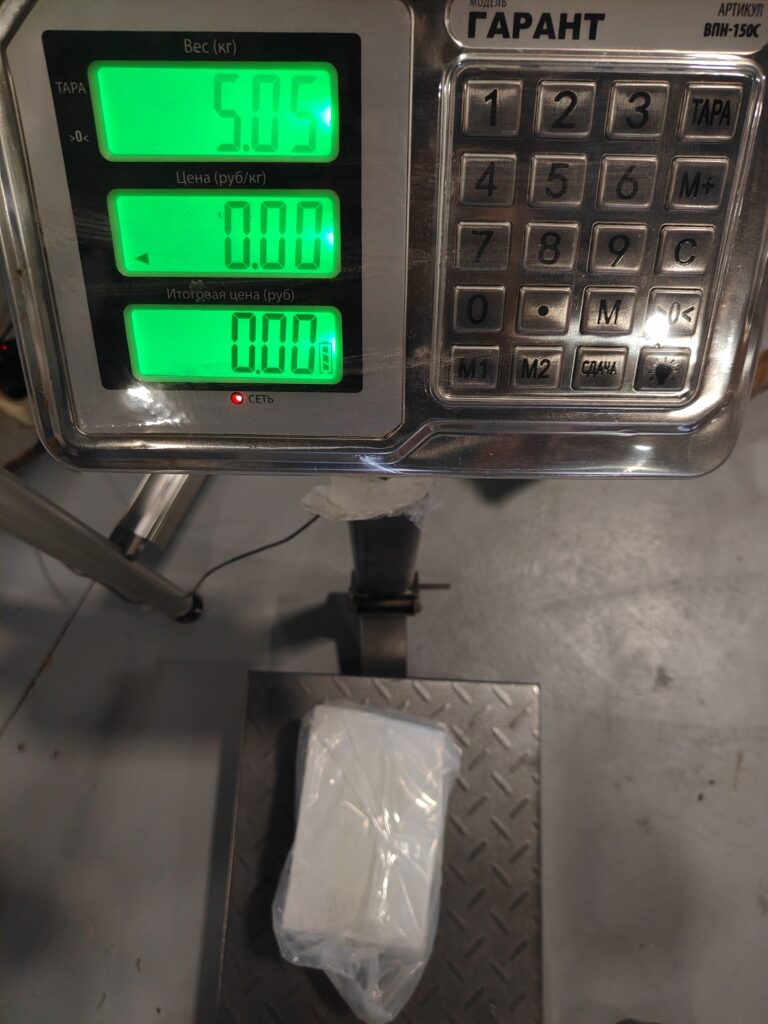
After the rubber is soft, we add the light opacifying or light diffusion agents. This is a very precise part of the silicone material refine demo to customers. These agents decide how the light come out. If you want a neon effect, you need a good diffusion agent. If you want a specific color, you need the right opacifying agent. You must use a high-precision electronic scale for this. Every gram matters. You add the agent to the moving rollers of the refining machine. You must wait until the agent is completely mixed into the rubber.
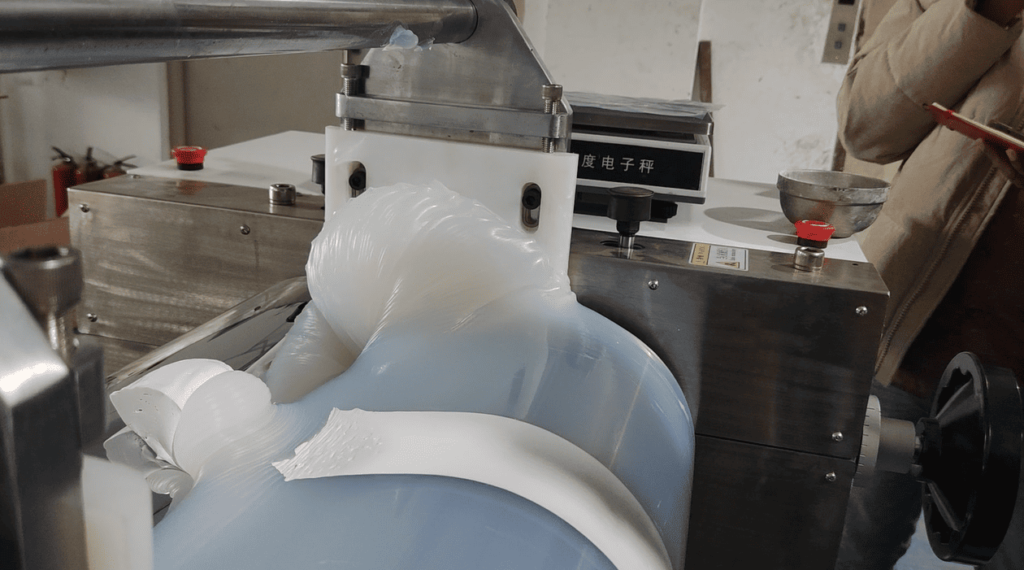
You can see the color change as the agent spreads. The worker must watch the rollers carefully. They use a knife to cut and fold the rubber. This helps the agent mix faster. This is part of the hardware process that requires a lot of skill. I have visited many factories in Vietnam and the Philippines. The best workers are very patient. They do not rush this step. They know that uniform optical properties depend on this mix. If you have streaks in your silicone, it means the agent was not mixed long enough. We teach this during our on-site installation training.
The Order of Adding Curing Agents: Component B and Component A
The next part of the silicone material refine demo to customers is adding the curing agents. There is a very strict order. First, you add the Vulcanizing Agent Component B. You must mix this until it is totally gone into the rubber. Only after that, you add the Platinum Vulcanizing Agent Component A. This order is very important. If you mix them in the wrong order, the silicone might start to harden too early. Or it might not harden at all. This is a technical secret that many new factories do not know.
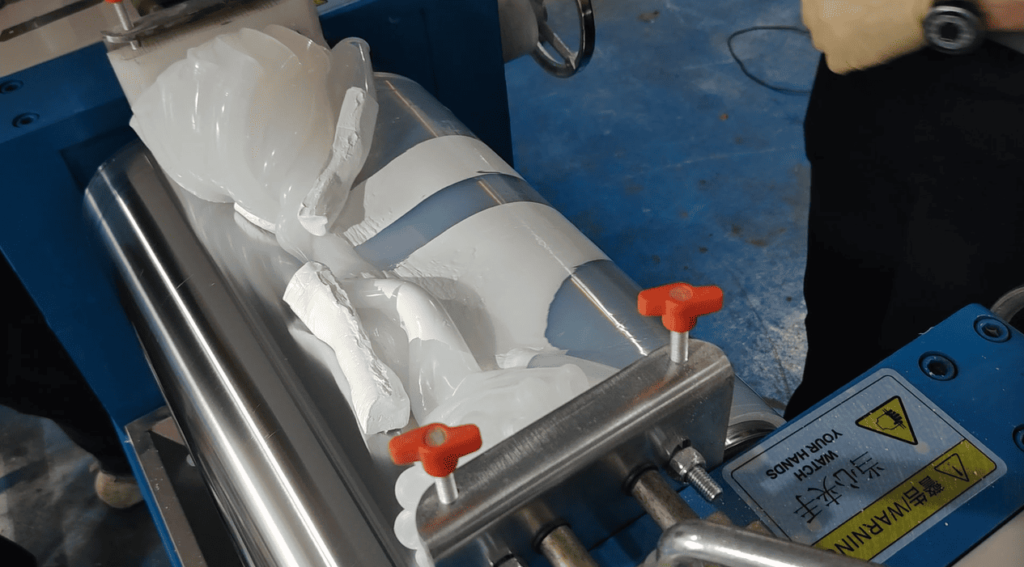
I remember a client in Malaysia. They were adding both components at the same time. Their extruder kept getting clogged. I explained the chemistry to them. Component B and Component A must be separate until the last moment. My knowledge of international business practices helps me explain these technical points clearly. We want your automated silicone extrusion line to run without stopping. By following this order, you ensure the silicone stays stable inside the machine. It only cures when it reaches the heating oven. This is how you achieve high surface quality.
Differences Between Powder and Paste Curing Agents
In our silicone material refine demo to customers, we often talk about the form of the curing agents. In China, we usually use powder agents. Powder is very effective. But powder is a “sensitive cargo” for international shipping. It is hard to send powder to Saudi Arabia or India. So for our overseas customers, we provide curing agents in a paste form. The paste has a similar texture to the raw silicone rubber. This makes it easier to mix.
But there is a catch. The mixing ratio for paste is different from powder. You cannot use the same weight. You must follow the specific formula for the paste. This is where my career story becomes useful. I have tested both types in many different climates. The paste is more stable in hot weather. It does not fly away like powder. This helps keep the factory clean. I help my clients adjust their scales for the paste agents. We want the results to be the same, no matter what form you use. This is part of the professional support I offer to every business team.
The Role of Operator Experience in Refining Speed
The silicone material refine demo to customers shows that humans are as important as machines. A skilled worker knows when the rubber is ready just by looking at it. They look at the surface of the rubber on the rollers. They look for a specific shine. If the rubber is dull, it needs more mixing. The experience of the worker decides the speed of the machine. A fast worker can run the refining machine at a higher speed. They can cut and fold the rubber very quickly.
This has a big effect on your total production capacity. If the refining is slow, the extruder has to wait. This wastes time and money. I enjoy the teamwork required to balance the refining speed with the extrusion speed. It is like a well-played basketball game. Everyone must move together. In Cambodia, I helped a factory manager improve their refining layout. We trained the workers to move more efficiently. The output increased by 20%. My interest in economics makes me look for these small gains. Every minute you save in refining is an extra meter of LED strip you can sell.
Visual Inspection: How to Tell if the Mix is Ready
Visual inspection is a key part of the silicone material refine demo to customers. You cannot just set a timer. Every batch of silicone is a little bit different. The worker must check the texture. They look for air bubbles. They look for clumps of agent. The rubber should look like a smooth, even sheet. If the worker sees any imperfections, they must continue the refining process. This is the “know-how” that we demonstrate during on-site installation training.
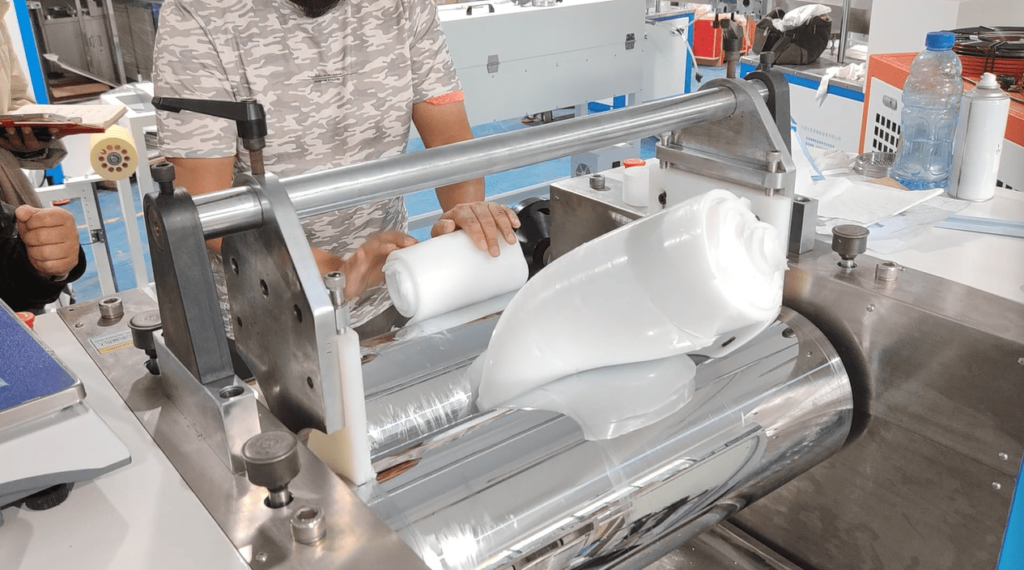
I think about my hiking trips on snow mountains. You must look at the texture of the snow to know if it is safe. Refining silicone is the same. You must trust your eyes. I show customers how to pull a small piece of rubber to check its elasticity. If it snaps too easily, it is not mixed enough. If it is too sticky, the temperature might be too high. I have plenty of experience in this industry to help you recognize these signs. We want your factory to produce 1615 and 1212 profiles that are perfect every time.
Safety Protocols During the Refining Process
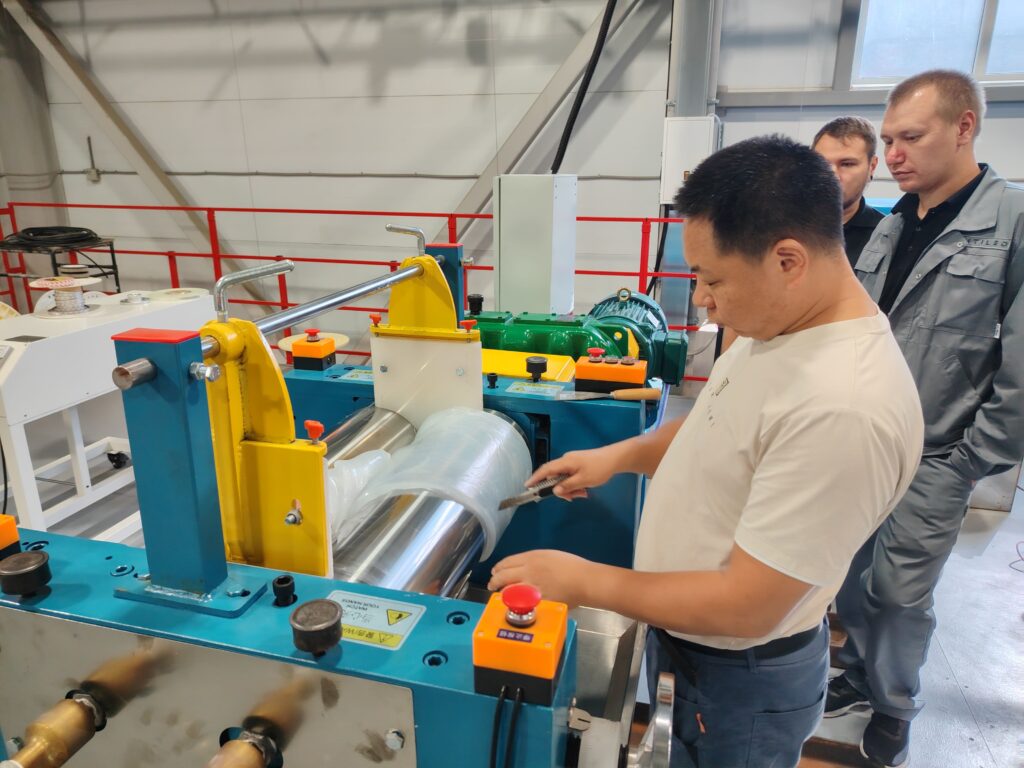
Safety is a very serious part of our silicone material refine demo to customers. The refining machine has two large rollers moving toward each other. This is a high-risk area. Workers must never wear loose clothing. They must be very focused. We install safety pull-cords on all our machines. If there is a problem, the worker can stop the machine instantly. It’s better to have two workers to do this work together in the first period of production till they get skilled enough to handle it individualy.
Last year, a client in India asked me about safety training. I spent three days showing their team the right way to handle the rubber near the rollers. I told them about the importance of staying focused. I think about my two sons and how I want them to be safe around tools. I want the same for your workers. We provide clear safety manuals in different languages. We make sure everyone knows the hardware process from start to finish. A safe factory is a productive factory. This is a core part of my professional international business practice.
Impact of Material Refining on Final Product Quality
The quality of your silicone material refine demo to customers directly affects the high surface quality of the final strip. If the refining is bad, the surface will be rough. You might see tiny bumps on the 1615 profile. These are often caused by unmixed agents or air bubbles. High-end clients in the luxury market will not accept this. They want a perfect, smooth finish. They want uniform optical properties. This starts with the refining machine.
I use my knowledge of surface treatment techniques to explain this to my clients. The refining process is the first “filter” for quality. If you do it right, the extrusion process becomes much easier. The machine runs smoother. The silicone flows better through the mold. In Vietnam, we worked with a company making architectural lighting. Their strips had to be perfect. We spent a week perfecting their refining process. The final product was beautiful. They won a big contract because of that quality. This is the power of good material preparation.
Training the Business Team on Formula Management
Part of the silicone material refine demo to customers is teaching formula management. You must keep a record of every mix. You need to know exactly how much of each component you used. This helps you repeat the success. If a batch is perfect, you want to do the same thing tomorrow. I help my clients set up a digital tracking system. This is part of the professional support I offer to their business team. If there is a bulk defects also you can tracking back to see which part of work it reasons.

When I am creates products, I look at the data. I want to see the link between the formula and the result. I bring this analytical approach to your factory. We look at the economics of the material. We look at how to reduce waste. In Russia, we found that by adjusting the formula slightly for the cold weather, we saved 5% on material costs. My interest in politics and economics helps me see the bigger picture. We want your factory to be both high-quality and highly profitable.
Conclusion
The silicone material refine demo to customers is more than just a show. It is a lesson in precision and experience. From awakening the raw rubber to adding the platinum curing agents in the right order, every step is vital. Whether you use powder or paste, the goal is a smooth, perfectly mixed material. The skill of your workers in managing the refining machine will decide your factory’s success. My 7 years of “know-how” and international experience are here to help you master this process. From the snow mountains to the factory floor, I believe in doing things the right way.
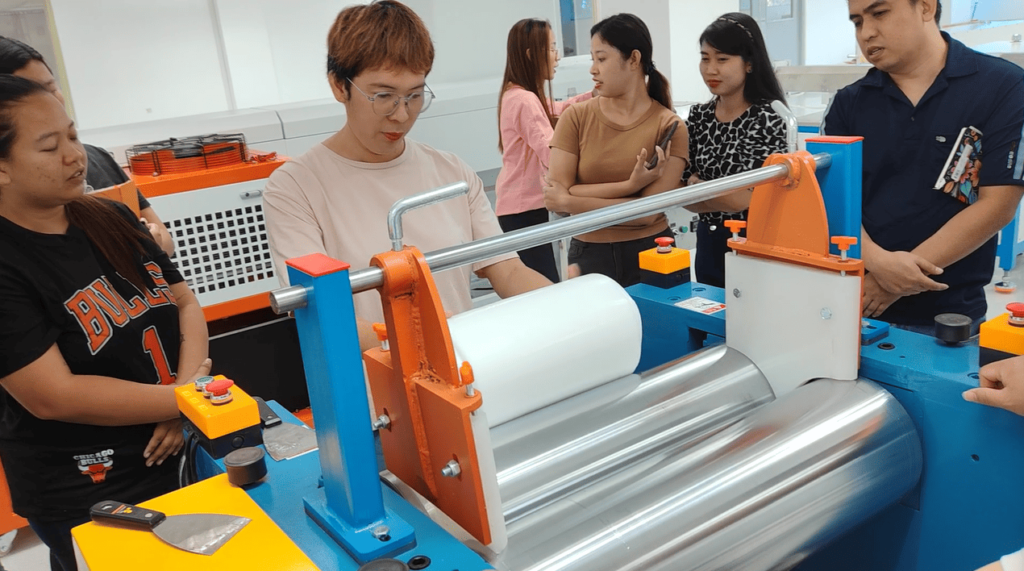
I am Eason, and I am ready to help you optimize your LED production. My business team provides on-site installation training that covers all these technical secrets. We can solve any problems from manufacture to your factory. Let’s work together to produce the best 1615 and 1212 profiles in the world. Contact me today to learn more about our automated silicone extrusion solutions. Trust the experience, trust the process, and let’s build something great together.
- Tracking Machine for Silicon Extrusion: How to Ensure Stable Process Parameters
- Hiring the Perfect Extrusion Engineer in 2026: A Blueprint for Your LED Silicone Production Line
- Mastering the Factory Acceptance Test: A Live Guide to Silicone LED Strip Machine Commissioning
- Zero Waste Strategy: How to Reuse Tail Materials in Silicone LED Strip Extrusion
- Passing the Torch: Teaching Silicone LED Strip Extrusion Training to the Next Generation