
My name is Eason. I am a skilled LED strip light extrusion machine sales engineer. I have worked in this industry for more than 7 years. I have two sons who always ask me how machines work. I love reading books about history and global markets. These books help me understand international business practice very well. I also love physical challenges. I have finished many desert hiking trips. In the desert, you must be very precise with your water. If you make a small mistake, you will face big problems. This is very similar to the silicone material refining process. You must be precise with every gram of additive. In February 2026, I took my wife and two sons to ride cycles around the island of Hainan. We saw many beautiful views and faced strong winds. It reminded me that a good result needs a strong foundation. In the factory, that foundation is the material. I visit different factories every month. I have experience in creating products. I know well about the CNC process and the hardware process. I also understand surface treatment techniques. I have been to Saudi Arabia, Russia, Vietnam, and many other countries for on-site installation training. I can solve any problems from manufacture to your factory.
In this article, I want to talk about the silicone material refining process. This is the first step in our latest video. Many people think the extrusion machine is the only important part. That is not true. If your silicone material is not refined correctly, your final product will fail. The silicone material refining process decides the surface quality and the light effect. It is a technical task that needs “know-how.” I will explain the steps of awakening the rubber and adding agents. I will also share how we handle materials for international shipping. This process is the key to achieving uniform optical properties in your 1615 and 1212 profiles.
The Importance of Awakening Raw Rubber in the Refining Process
The first part of the silicone material refine demo is “awakening” the raw rubber. Raw silicone comes in blocks. It is very hard when it is cold. You cannot put it directly into the extruder. You must use a refining machine with two rollers. These rollers squeeze the rubber. This action makes the rubber soft and warm. We call this “awakening” because the material becomes active. It starts to have the right elasticity. If you skip this step, the silicone will not mix with the additives.
I remember a project in Russia. The factory was very cold in winter. The raw rubber was like a stone. The workers tried to add the curing agent immediately. The result was a lumpy mess. I showed them how to let the rollers work for ten minutes first. This is part of the hardware process that needs patience. It is like warming up before a basketball game. I love playing basketball. I know that if I do not warm up, I will get hurt. The silicone is the same. When the rubber becomes a smooth sheet on the roller, it is ready. This ensures a stable process for the next steps. My 7 years of experience tell me that rushing this step is a big mistake.
Precise Weighing of Light Blocking and Diffusion Agents
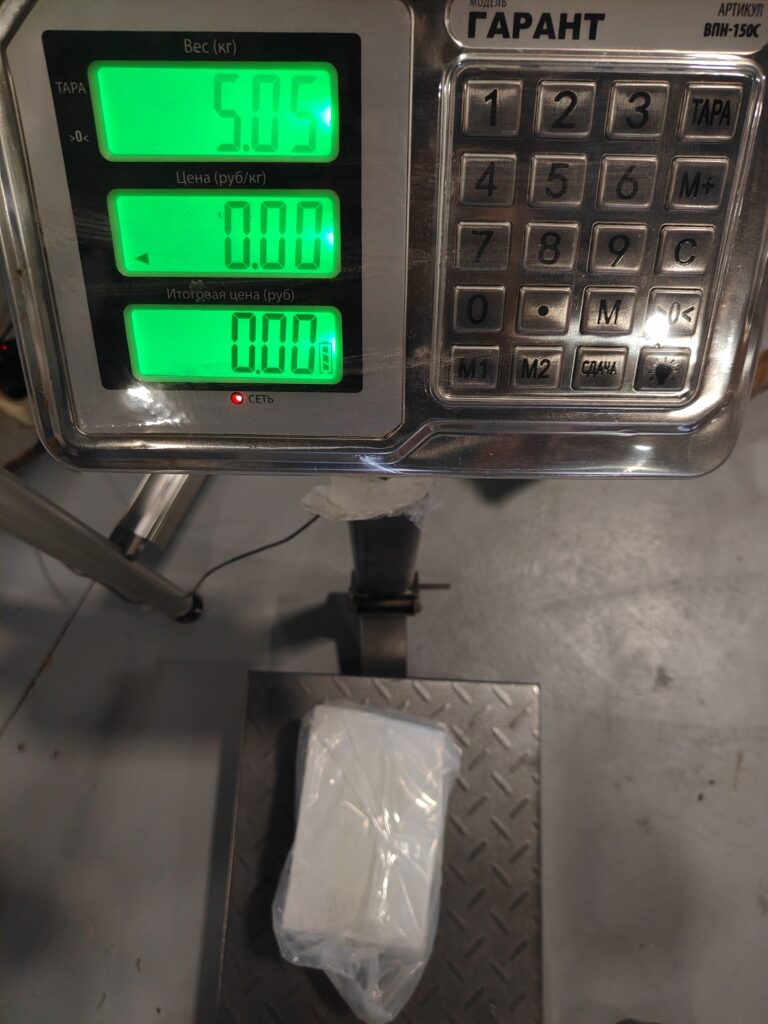
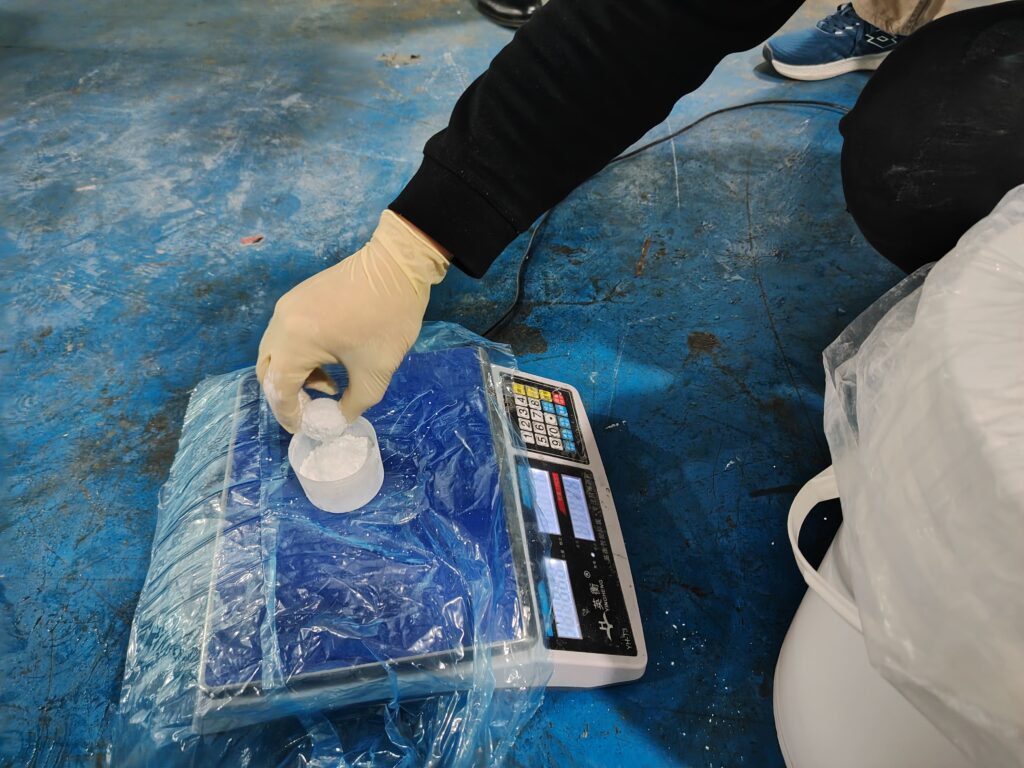
After the rubber is soft, we add light blocking or diffusion agents. This part of the silicone material refining process is very delicate. These agents decide the color and the light spread. You must use a high-precision electronic scale. Even a 1-gram error can change the color of the whole batch. You add the agent slowly to the moving rollers. You must wait until the color is perfectly even. There should be no streaks or spots.
This step requires a lot of focus. I think about my hiking trips on snow mountains. When you are high up, every step must be placed carefully. You cannot be careless. In the factory, I tell the operators to treat the scale like a gold balance. In Vietnam, I helped a business team improve their light consistency. They were guessing the amount of agent. I brought in a professional weighing protocol. We achieved uniform optical properties across 500 meters of strip. My knowledge of surface treatment techniques helps me see these details. If the mixing is not perfect here, the high surface quality will be lost later. The hardware process depends on these small, precise actions.
The Strict Order of Adding Curing Agents: Component B and A
There is a very strict rule in the silicone material refining process. You must add the curing agents in the right order. First, you add the Vulcanizing Agent Component B. You let the machine mix it for several minutes. You must see it disappear into the rubber. Only after that, you add the Platinum Vulcanizing Agent Component A. This order prevents the silicone from hardening too early on the rollers. Platinum is a very strong catalyst. If you add it first, the rubber might “scorch” or become hard before it reaches the extruder.
I often explain this to customers in India and Cambodia. They ask me why the order matters. I tell them it is about chemical timing. It is like a business team working together. Everyone has a role and a time to act. If the timing is wrong, the project fails. I have plenty of experience in this industry to know these “technical secrets.” During on-site installation training, I watch the workers closely. I make sure they do not mix the components too fast. This part of the hardware process determines if the automated silicone extrusion line will run smoothly. Stable process parameters start with the correct chemical sequence.
Differences Between Powder and Paste Curing Agents for Export
In China, we often use powder vulcanizing agents. They are very efficient. However, for international business practice, powder is a “sensitive cargo.” It is difficult to ship powder to countries like Saudi Arabia or Malaysia. So, for our overseas clients, we provide the agents in a paste form. The paste is much easier to ship. It has a texture similar to the silicone rubber itself. This makes the mixing process a bit faster.
But you must remember one thing. The mixing ratio for paste is different from powder. You cannot use the old formula. When I was in the Philippines, a client used the powder ratio for the paste. The silicone did not cure in the oven. I had to solve this manufacture problem quickly. I recalculated the formula for them. My interest in economics and math helps me with these calculations. We adjusted the scale, and the production became stable. This is why on-site installation training is so important. I help you adapt to the materials available in your region. Whether you use powder or paste, the goal is the same: high surface quality.
How Operator Experience Affects Production Capacity
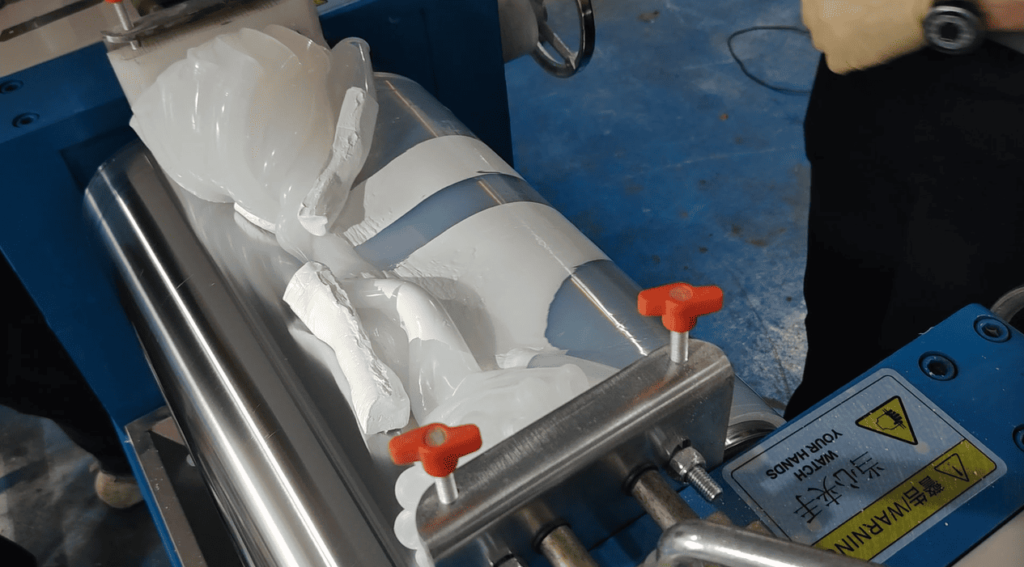
The silicone material refining process is not fully automatic. It depends on the skill of the worker. A skilled operator knows how to cut and fold the rubber on the rollers. They use a special knife. This movement helps the material mix much faster. If the worker is slow, the refining takes a long time. This reduces the total production capacity of the factory. The extrusion machine has to wait for the material. This is a waste of money.
I enjoy watching a good worker. It is like a dance. Their movements are smooth and fast. I saw a very fast team in a factory in Malaysia. They could refine a 20kg batch in half the time of a new team. This is the “know-how” that comes with practice. I use my career story to inspire new workers. I tell them that their skill is as important as the CNC process of the mold. In my basketball games, I know that a fast pass can change the game. In the factory, a fast refined batch can increase your daily output by 20%. I always look for ways to help the business team work better together.
Visual Inspection: Judging the Quality of the Mix
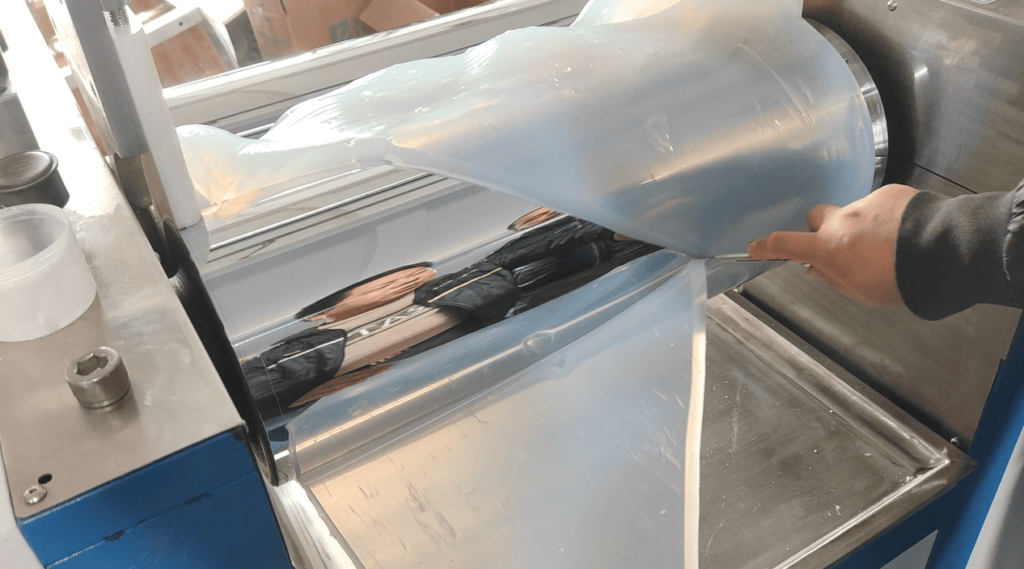
How do you know when the silicone material refining process is finished? You must use your eyes and your hands. This is called visual inspection. The rubber sheet should look like a mirror. It should have a soft shine. If you see any tiny dots, the agents are not mixed. If the rubber feels too sticky, the temperature of the rollers might be too high. You can also pull a small piece of the rubber. It should stretch evenly without breaking.
During my trips to Saudi Arabia, I taught the local engineers how to judge the mix. The high ambient temperature changed the feeling of the rubber. We had to adjust our visual standards. This is where my 7 years of experience are very useful. I have seen silicone in all kinds of weather. I know well about surface treatment techniques. If the mix looks “grainy,” the final 1615 profile will have a rough surface. You must keep refining until it is perfect. This is the only way to ensure uniform optical properties. A professional eye is the best tool in the hardware process.
Managing Heat and Cooling During the Refining Stage
The rollers of the refining machine generate a lot of heat. This heat comes from the friction as the rubber is squeezed. If the temperature gets too high, the silicone might start to cure on the rollers. This will ruin the batch. You must manage the cooling water inside the rollers. Most professional machines have a water cooling system. You must check the temperature of the water regularly. This is a key part of maintaining stable process parameters.
I think about my cycling trip in Hainan. When we were riding in the sun, we had to drink a lot of water to stay cool. If we got too hot, we could not continue. The machine is the same. In a factory in India, the cooling system was blocked. The material was coming out too hot. This caused bubbles in the automated silicone extrusion line. I showed them how to clean the cooling pipes. We restored the temperature to the right level. This is the kind of manufacture problem I solve every day. My knowledge of the hardware process ensures your equipment stays in good condition for a long time.
Preventing Contamination in the Material Preparation Area
Contamination is the enemy of the silicone material refining process. Even a small piece of dust or a different color can ruin a 100-meter LED strip. You must keep the refining area very clean. Workers should wear clean clothes and gloves. The rollers must be cleaned with alcohol before every change of color. This is a basic rule of professional international business practice. If you are making a 1615 profile in white, any black speck will be very visible.
I am a very organized person. When I go hiking in the desert, I keep my gear clean and dry. Dust can break a camera or a GPS. In the factory, I am even more strict. In Vietnam, I saw a worker using the same knife for red and white silicone. The white strips turned pink. I had to retrain the whole business team. I explained that high surface quality starts with a clean environment. This is part of the “know-how” I bring to your factory. I can solve any problems from manufacture to your factory by setting up a clean production protocol.
Documenting Formulas for Consistent Batch Quality
Every time you finish a silicone material refining process, you should write down the formula. You should record the weight of the rubber and each additive. You should also record the mixing time and the temperature. This documentation helps you repeat the success. If you make a perfect batch today, you want to make the same one tomorrow. This is essential for long-term international business practice. Your customers expect the same color every time they order.
I love reading and keeping records. I have a journal of all my snow mountain trips. I record the weather and the gear I used. In my career story, I have helped many factories build their own formula database. In Russia, we created a digital system to track every batch. This reduced the color error by 90%. My interest in economics makes me look for these efficiency gains. When you have a stable formula, you reduce waste. This makes your business more profitable. It is a win-win for everyone.
Training the Business Team on Material Science
The last part of the silicone material refine demo is education. I don’t just show how to use the machine. I explain the “why.” I teach the business team about the chemistry of silicone. I explain why the platinum catalyst reacts to heat. I explain how the light diffusion agent works inside the silicone structure. When the workers understand the science, they make fewer mistakes. They become more professional.
I enjoy the teamwork during on-site installation training. I treat the workers like my teammates on the basketball court. We share knowledge and help each other. In Cambodia, the team was very young. They were eager to learn about the hardware process. We spent extra time on the refining steps. Now, they are one of the most efficient factories in the region. This is my goal. I want to pass my plenty of experience in this industry to the next generation. I know well about the CNC process and creating products. I want to help you build a factory that can compete globally.
Conclusion
The silicone material refining process is a foundational step that no factory should ignore. By correctly awakening the rubber and adding agents in a strict order, you ensure the success of your automated silicone extrusion line. Whether you use powder or paste, precision and cleanliness are the most important factors. My 7 years of experience in the hardware process and international business practice help me guide you through these technical challenges. From the cold mountains of Russia to the islands of Hainan, I have learned that preparation is everything.
I am Eason, and I am here to solve any manufacture problems in your factory. I provide on-site installation training to make your business team professional. If you want to achieve high surface quality and uniform optical properties in your 1615 and 1212 profiles, you must start with the refining process. Let’s work together to build a successful production line. Contact me today to learn more about my career story and how I can help your factory grow. Trust the “know-how,” and you will see the results in your final product.
- Tracking Machine for Silicon Extrusion: How to Ensure Stable Process Parameters
- Hiring the Perfect Extrusion Engineer in 2026: A Blueprint for Your LED Silicone Production Line
- Mastering the Factory Acceptance Test: A Live Guide to Silicone LED Strip Machine Commissioning
- Zero Waste Strategy: How to Reuse Tail Materials in Silicone LED Strip Extrusion
- Passing the Torch: Teaching Silicone LED Strip Extrusion Training to the Next Generation