
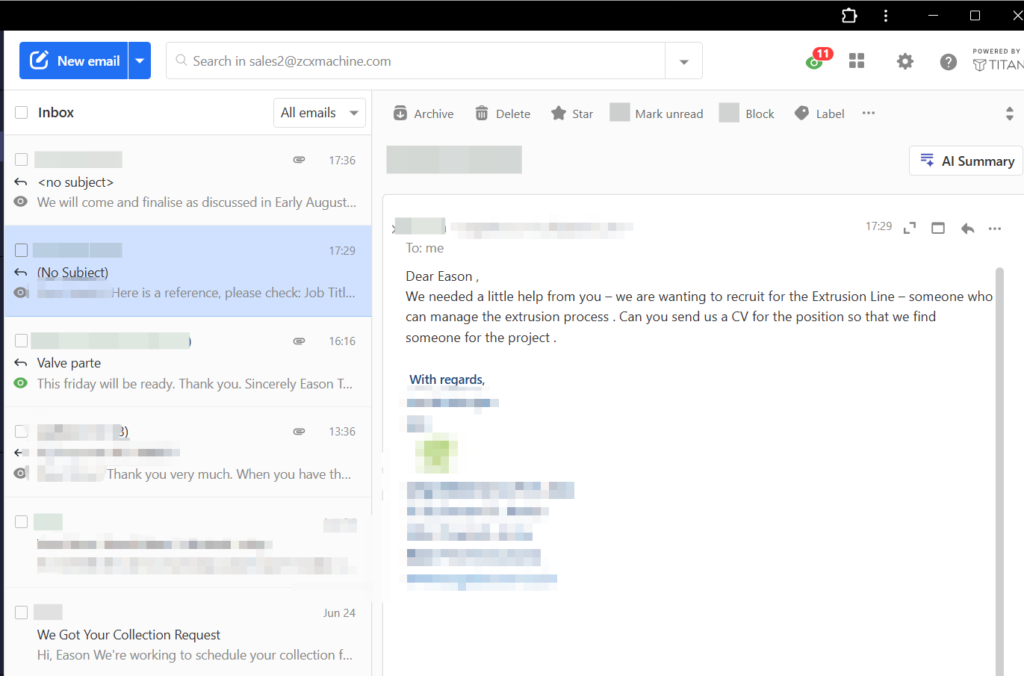
I am Eason. I am looking at my inbox today, and it is filled with emails from ambitious factory owners worldwide. One email from a client caught my eye this morning. He just bought an advanced 3-color co-extrusion line, and he asked me: “Eason, We needed a little help from you – we are wanting to recruit for the Extrusion Line – someone who can manage the extrusion process . Can you send us a CV for the position so that we find someone for the project .?” This is an excellent question.
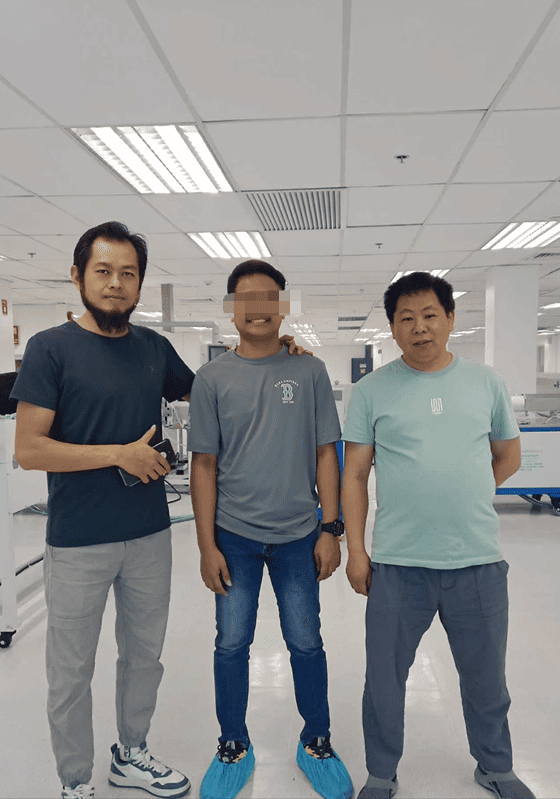
It reminds me of my recent holiday. I took my wife and two sons on a cycling tour around Hainan Island. We pedaled over 800 kilometers along the beautiful, rugged coastline. Before we left, I had to make sure our bicycles were in perfect condition, but more importantly, I had to make sure my family understood how to handle the gears, pacing, and basic roadside repairs. If you have a top-tier racing bike but don’t know how to shift gears properly, you won’t make it up the mountain. In the factory, an LED silicone strip extrusion machine is your high-performance racing bike. The technical engineer is the rider. You cannot just hire anyone off the street; you need someone who understands the harmony of hardware, materials, and precision.
Today, I want to share the exact hiring recommendations and job requirements I sent to my client. If you want your factory to dominate the 2026 lighting market with flawless 1615 or 1212 neon flex, this is the hiring blueprint you need.
1. The Core Technical Skills: The “Hardware” of the Engineer
The first mistake many owners make is hiring a traditional plastic (PVC/TPU) extrusion operator and assuming they can run silicone. Silicone is a completely different beast. It doesn’t melt and cool; it vulcanizes and cures through heat. Your ideal engineer needs specific, modern technical capabilities.
- PLC and Automation Fluency: Modern 2026 extrusion lines are heavily automated. The engineer must be comfortable operating advanced PLC touchscreens, adjusting multi-zone temperature controls, and syncing the speeds of three different extruders simultaneously.
- Precision Mold Calibration: As we saw in my previous post about disassembly, handling S136 steel molds requires extreme care. The engineer must know how to align the core pin and the PCB guide track perfectly so the LED strip sits dead-center inside the 1212 profile.
- Material Mechanics: They need to understand how raw silicone behaves under different conditions. Silicone viscosity changes with room temperature and humidity. A great engineer knows how to adjust the vacuum degassing pump to eliminate micro-bubbles before the material ever enters the die.
2. The Problem-Solving Mindset: The “Software” of the Engineer
When we were cycling in Hainan, my youngest son’s bike chain dropped on a steep hill. We didn’t panic; we diagnosed the issue, adjusted the tension, and kept moving. Your extrusion engineer needs that exact same calm, analytical mindset. When a line is running at 8 meters per minute, a minor issue can waste hundreds of meters of silicone quickly if the operator panics.
Your engineer must be a troubleshooter. They should look at a finished piece of 1615 neon flex and immediately diagnose problems through visual inspection:
The Extrusion Troubleshooting Logic:
- Seeing bubbles? Check the raw material pre-mixing or increase the vacuum pressure.
- Seeing color bleeding on a 3-color strip? Readjust the pressure balance between extruder A and extruder B on the PLC.
- Strips coming out sticky? Raise the temperature in Zone 4 of the infrared vulcanization oven or slow down the puller speed.
3. Recommended Job Description & Requirements Checklist
To make things easy for your HR department, I have structured the hiring requirements into a clear, scannable table that you can copy and paste directly into your recruitment channels.
Technical Engineer Job Requirement Matrix (2026 Standard)
| Requirement Category | Ideal Qualifications & Skills | Importance Level | Key Responsibility |
|---|---|---|---|
| Education & Exp. | Degree in Mechanical/Polymer Engineering or 3+ years in silicone/rubber extrusion. | High | Managing the daily setup and technical calibration of the line. |
| Machine Operation | Deep understanding of PLC controls, screw extruder physics, and tension pullers. | Critical | Synchronizing the 3-color co-extrusion speeds and oven temperatures. |
| Tooling & Molds | Experience with precision assembly/disassembly of high-grade extrusion dies. | High | Maintaining mold accuracy and protecting core pins from scratch damage. |
| Quality Control | Ability to use calipers, micrometers, and light-testing tables for real-time QC. | Medium | Ensuring 1212/1615 profiles match architectural drawing tolerances. |
| Physical Demands | Comfort working in a factory environment; ability to lift material drums (up to 20kg). | Medium | Overseeing material loading and physical machine maintenance. |
4. The 14-Day Bridge: Eason’s Training Advantage
Here is a piece of candor from my years as a sales engineer: finding the perfect, pre-trained silicone extrusion engineer in your local area can be incredibly difficult. If you restrict your search only to people who have operated a 3-color LED silicone line before, you might be searching for months.
Instead, look for someone with a strong background in general rubber/silicone molding or industrial automation who is eager to learn. Why? Because when you purchase an LED silicone strip extrusion machine from me, I don’t just ship the hardware and leave you to figure it out.
I come to your factory for 14 days of intensive, on-site training.
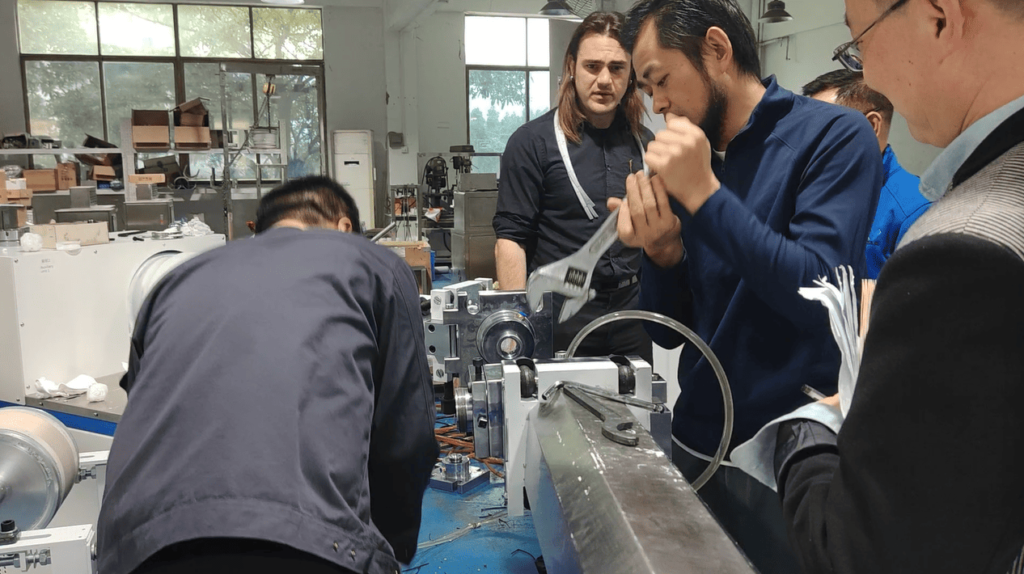
During these two weeks, I will personally act as the bridge for your new engineer. I will teach them how to navigate our specific PLC software, how to clean the S136 molds without scratching them, and how to balance the flow of a 3-color system. You provide me with a smart, mechanically-minded individual, and I will hand you back a certified extrusion professional before I fly home.
Conclusion: Building a Winning Team for 2026
In conclusion, investing in a high-speed LED silicone strip extrusion machine is step one. Step two is securing the talent to run it. By utilizing this blueprint—focusing on PLC literacy, a calm troubleshooting mindset, and basic polymer understanding—you will attract the right professional to safeguard your factory’s production quality.
Cycling around Hainan taught me that a long journey is won through preparation and having the right people beside you. Let’s make sure your factory has both. If you are currently interviewing candidates or looking at our extrusion lines and want me to evaluate a resume for you, send it over! I am always happy to help my clients build the ultimate production team. Contact me today, and let’s get your production line—and your team—moving at peak velocity in 2026.
- Tracking Machine for Silicon Extrusion: How to Ensure Stable Process Parameters
- Hiring the Perfect Extrusion Engineer in 2026: A Blueprint for Your LED Silicone Production Line
- Mastering the Factory Acceptance Test: A Live Guide to Silicone LED Strip Machine Commissioning
- Zero Waste Strategy: How to Reuse Tail Materials in Silicone LED Strip Extrusion
- Passing the Torch: Teaching Silicone LED Strip Extrusion Training to the Next Generation