
My name is Eason. I am a skilled LED strip light extrusion machine sales engineer. I have worked in this industry for more than 7 years. I have two sons. They like to see how machines work when I show them my videos. I love reading books about global economics and politics. These books help me understand international business practice very well. I also love physical challenges. I have finished many desert hiking trips and snow mountain climbs. In February 2026, I took my wife and two sons to ride cycles around the island of Hainan. We learned that preparing the bikes was the most important step. If the tires are not ready, the journey is hard. This is the same for a factory. You must prepare PCB and silicone material correctly before you start. I visit different factories every month. I have experience in creating products. I know well about the CNC process and the hardware process. I also understand surface treatment techniques. I have been to Saudi Arabia, Russia, Vietnam, and many other countries for on-site installation training. I can solve any problems from manufacture to your factory.
In this article, I will show you how to prepare PCB and silicone material for production. You can watch the full process in my latest video. This stage is the foundation of an automated silicone extrusion line. If your materials are not ready, the 1615 or 1212 profile will have defects. Many people want to start the machine quickly. But you need the right “know-how” to prepare the base materials first. I will explain the hardware process and why stable process parameters start with preparation. This will help your business team avoid manufacture problems and ensure high surface quality.
The Importance of High-Quality PCB Inspection Before Extrusion
The first part of the plan to prepare PCB and silicone material is inspection. The PCB is the heart of the light. It carries the power and the LEDs. You must check every meter of the PCB before it enters the machine. Look for broken solder joints or damaged LEDs. If a bad PCB enters the extruder, you waste expensive silicone. In my 7 years of experience, I have seen many factories lose money because they did not check their PCB reels.
I remember a project in Saudi Arabia. The client had a large order for 1615 profiles. They started the automated silicone extrusion line without checking the PCB. After 100 meters, they found a dead LED in the middle of the strip. They had to throw away all 100 meters of silicone. It was a huge waste. I showed the business team a professional hardware process for PCB testing. We built a simple testing rig to light up the PCB while it is still on the reel. This simple step saved them thousands of dollars. It is like checking your oxygen tanks before climbing a snow mountain. You do not wait for the middle of the climb to find a leak. Professional international business practice means checking everything at the start.
Refining Silicone Material for Uniform Optical Properties
The next step is to prepare the silicone. We call this the silicone material refining process. You must mix the raw silicone rubber with the right agents. This hardware process ensures the material is soft and clear. If the mixing is not even, you will not have uniform optical properties. The light will look different at different spots. This is a common manufacture problems in low-end factories. You must use a refining machine to make the silicone perfect.
In Russia, I worked with a team that tried to mix silicone by hand. The result was a mess. The silicone had many small bubbles. I showed them how to use the refining rollers correctly. We practiced the cutting and folding technique many times. This is part of the “know-how” I bring to your factory floor. I enjoy the teamwork when I train a new crew. It is like a basketball team practicing their passing. Everyone must be in sync. When the silicone is refined well, it flows smoothly through the 1212 profile mold. My knowledge of surface treatment techniques helps me judge if the material is ready. A smooth mix leads to high surface quality.
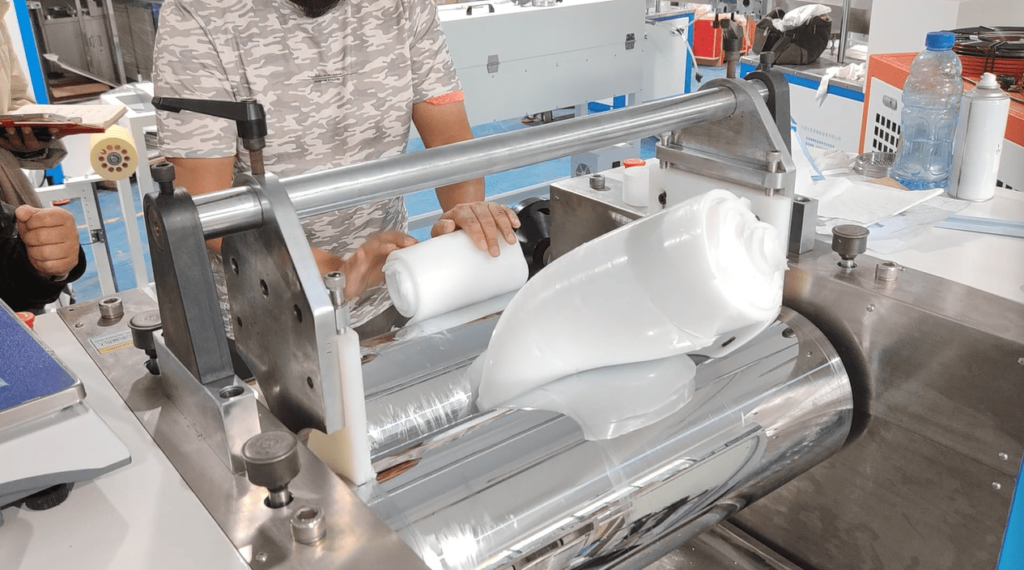
Aligning the PCB Reel with the Extruder Inlet
When you prepare PCB and silicone material, the alignment is vital. The PCB reel must sit on a stable tension frame. This frame must be exactly in line with the extruder inlet. If it is crooked, the PCB will twist inside the mold. This causes the LEDs to face the wrong way. You want the LEDs to be perfectly centered for uniform optical properties. This hardware process requires precise measurement.
I think about my cycling trip in Hainan. If my wheels were not aligned, the bike would pull to one side. I would get tired very fast. The extruder is the same. In Vietnam, I helped a client who had “twisted” 1615 profiles. We found that their PCB reel was 2 centimeters off-center. We adjusted the hardware process and the problem disappeared. My experience in the CNC process helps me understand these alignment issues. I can solve any problems from manufacture to your factory by looking at the physical setup. Stable process parameters are only possible when the physical line is straight.
Setting the Correct Tension for Continuous PCB Feeding
Tension control is a big part of how we prepare PCB and silicone material. The PCB must not be too loose. If it is loose, it will wiggle inside the silicone. But it must not be too tight. If it is too tight, the copper traces will break. We use a magnetic brake or a motor to control the tension. This ensures the PCB moves at the same speed as the automated silicone extrusion line.
I have seen many manufacture problems in India and the Philippines caused by bad tension. In one factory, the PCB was so tight that it snapped inside the oven. We had to stop the whole line to clean it. I showed the business team how to set the tension based on the width of the PCB. We recorded these settings as part of our stable process parameters. This is the value of professional on-site installation training. I don’t just sell you a machine. I teach you how to run it safely. My plenty of experience in this industry helps me find the perfect tension for any PCB type.
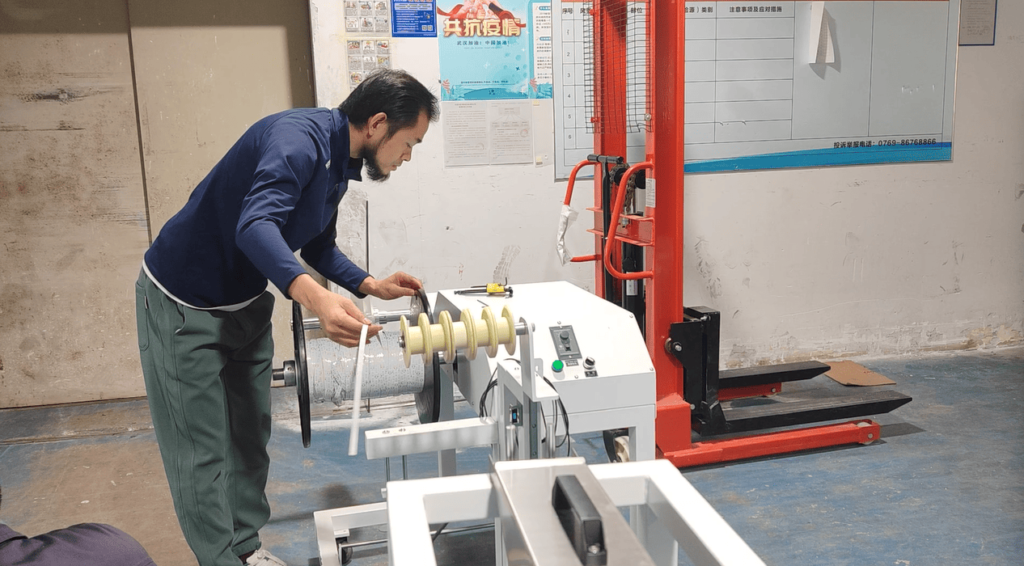
Loading Silicone into the Auto-Feeder for Stable Flow
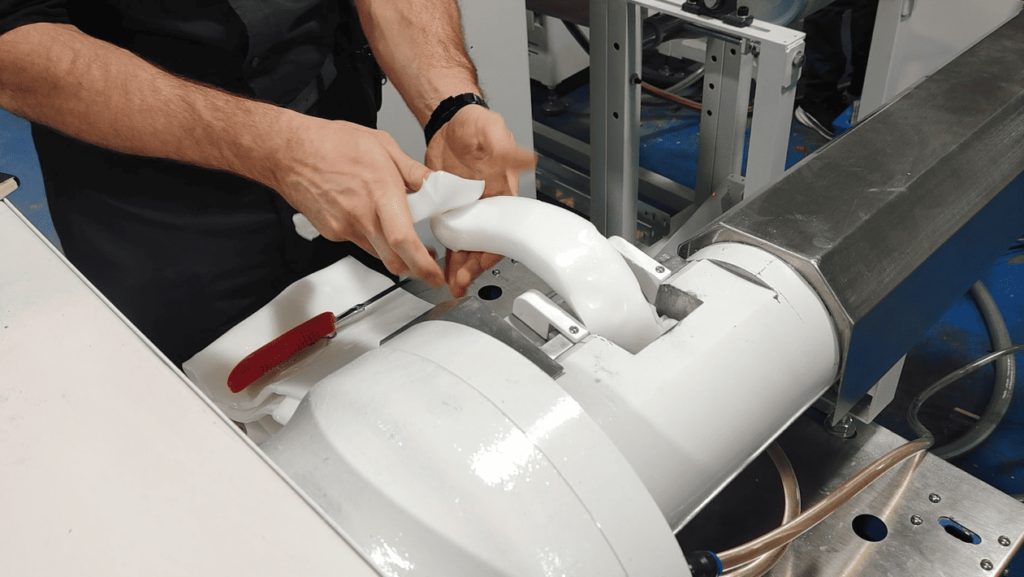
The final step to prepare PCB and silicone material is loading the auto-feeder. You must take the refined silicone and cut it into strips. These strips go into the auto-feeder barrel. The auto-feeder uses hydraulic pressure to push the silicone. You must ensure there is no dust on the silicone strips. Any dust will ruin the high surface quality. It will also block the internal filters of the machine.
I am a very detailed person. When I hike in the desert, I keep my water bottles very clean. Sand in the water is a disaster. In the factory, dust in the silicone is a disaster. In Malaysia, I worked with a factory that had many “black dots” in their products. We found that their material handling area was very dusty. I showed them how to prepare a clean zone for the silicone strips. This hardware process change improved their quality immediately. My interest in global economics tells me that high quality is the only way to win new markets. I want your business team to be the best. This is why I focus so much on the clean process after production and preparation.
Synchronizing Material Flow and Extruder Speed
Synchronization is the magic of an automated silicone extrusion line. When you prepare PCB and silicone material, you must prepare the computer settings too. The auto-feeder speed must match the extruder screw speed. If they do not match, the pressure will jump. This causes the 1615 profile to change size every few meters. We want the pressure to stay the same for 24 hours. This is the goal of stable process parameters.
I enjoy the thinking of working for a business team. We must solve the puzzle of speed and pressure together. In Cambodia, I helped a client who had “pulsing” extrusion. The material was coming out in waves. We adjusted the synchronization logic on the controller. Suddenly, the line was smooth. It was like a well-executed basketball play. Everyone moved together. My career story is about finding these technical solutions. I use my 7 years of “know-how” to make your production easy. I can solve any problems from manufacture to your factory.
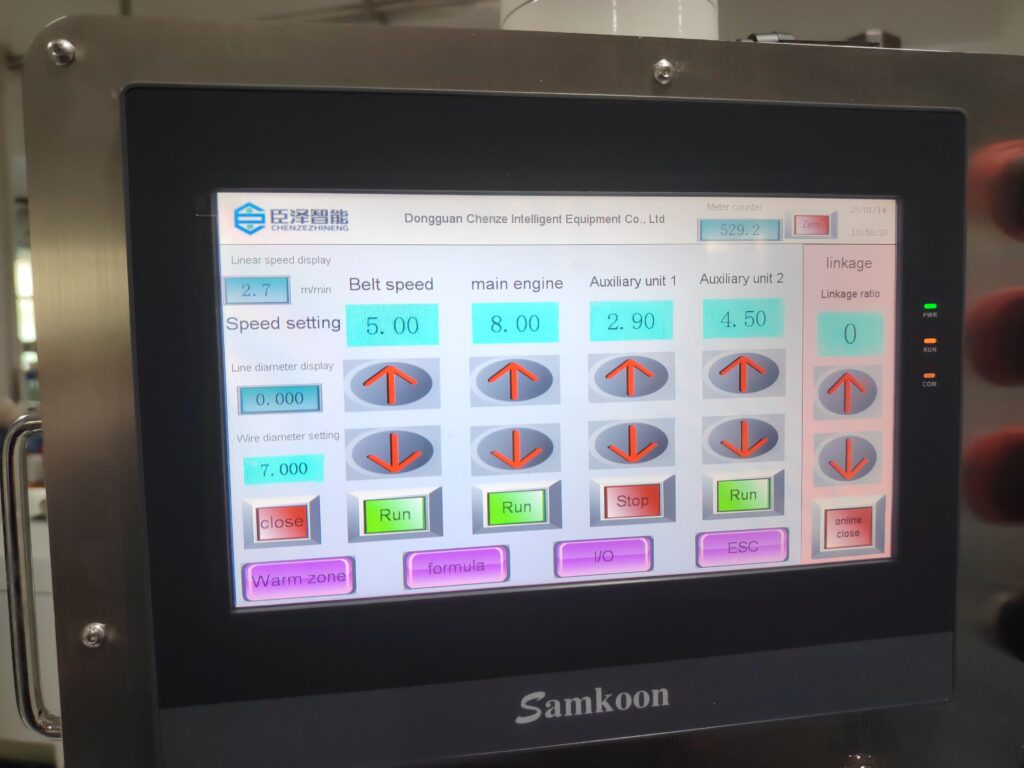
Troubleshooting Common Material Preparation Errors
Manufacture problems often start with small errors when you prepare PCB and silicone material. For example, if the silicone is too cold, it will not refine well. It will stay hard. This causes high pressure in the hardware process. Another error is not checking the PCB for moisture. If the PCB is damp, the silicone will not stick. You will see bubbles inside the 1212 profile.
I have solved these issues in many countries. In Poland, the factory was very cold in winter. The silicone was like a rock. I showed them how to use a warming room to prepare the material. This small step fixed their pressure problems. My 7 years of experience in this industry give me a library of solutions. Whether it is a material problem or a hardware problem, I have seen it before. I provide professional international business practice by sharing these solutions with you. My on-site installation training includes a full day of troubleshooting practice.
The Role of On-Site Training in Material Mastery
On-site installation training is the only way to learn how to prepare PCB and silicone material correctly. You cannot learn the “feel” of the silicone from a book. You must touch it. You must see how it reacts to the rollers. I spend a lot of time with the operators. I show them how to judge the quality of the refined silicone by eye. This is the “know-how” that makes a factory great.
I think about my two sons learning to ride their cycles. I can explain how to balance, but they must feel it themselves. In Russia, the operators were very technical but had no silicone experience. I stayed on the floor with them for two days. We prepared hundreds of kilos of material together. By the end, they were experts. This is the most rewarding part of my career story. I help your business team build their own knowledge. This ensures long-term success for your automated silicone extrusion line. I am dedicated to making your factory a leader in quality.
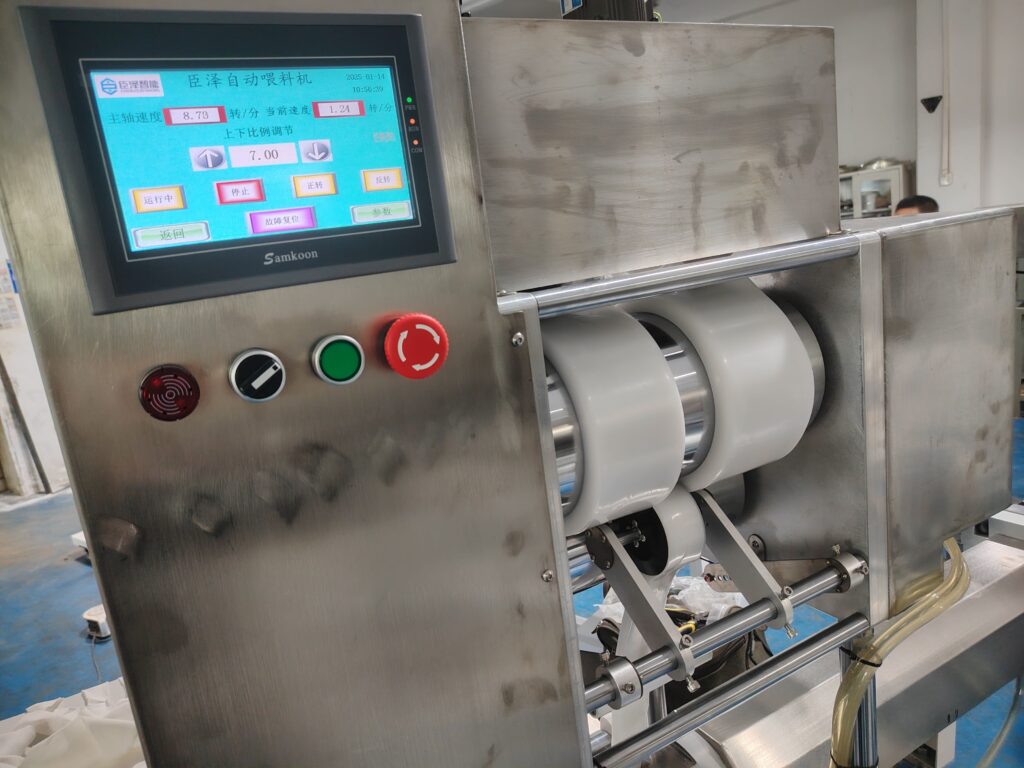
Achieving Uniform Optical Properties through Preparation
Uniform optical properties are what high-end customers want. They want the light to be perfect from the first meter to the last. This depends on how you prepare PCB and silicone material. If you change the silicone batch without cleaning the auto-feeder, the light color might shift. You must maintain a continuous and clean flow. This hardware process is the only way to get a professional result.
I have interest in politics and I see how global standards are getting stricter. Customers in Europe and America want perfect LED strips. In my 7 years of experience, I have helped many Chinese factories meet these standards. I show them how to achieve high surface quality through discipline. If you prepare your materials with care, the machine will give you a perfect product. I can solve any problems from manufacture to your factory. My international business practice is built on the success of my clients.
Economic Benefits of Proper Material Preparation
Proper preparation is an economic decision. When you prepare PCB and silicone material correctly, you reduce waste. Waste is the biggest killer of profits in a factory. If you throw away 5% of your material, you lose your margin. An automated silicone extrusion line is only profitable if it runs without stopping. Preparation prevents these stops.
I love reading about economics because it shows the truth of business. In Vietnam, I helped a client analyze their waste. We found that 50% of their waste happened during the first hour of production. This was because they did not prepare their materials well. We changed their hardware process for the morning setup. Their waste dropped to 1%. This was a huge win for the business team. MyPlenty of experience in this industry helps me see these economic gaps. I am here to help you make more money by being more professional.
Conclusion
To prepare PCB and silicone material is the most important part of the LED production workday. It is the combination of the silicone material refining process and precise hardware process setup. By checking your PCB tension and ensuring stable process parameters, you can produce high-quality 1615 and 1212 profiles. My 7 years of experience and my career story across many countries help me provide the best on-site installation training for your team. From the snow mountains to the cycling paths of Hainan, I have learned that being ready is the key to success.
I am Eason, and I am ready to be your partner in industrial automation. I provide professional technical support and solve any manufacture problems. I can solve any problems from manufacture to your factory. Let’s work together to build a professional automated silicone extrusion line that produces perfect results every time. Contact me today to learn more about my training programs and how we can optimize your material preparation. Together, we can light up the world with high-quality silicone products.
- Tracking Machine for Silicon Extrusion: How to Ensure Stable Process Parameters
- Hiring the Perfect Extrusion Engineer in 2026: A Blueprint for Your LED Silicone Production Line
- Mastering the Factory Acceptance Test: A Live Guide to Silicone LED Strip Machine Commissioning
- Zero Waste Strategy: How to Reuse Tail Materials in Silicone LED Strip Extrusion
- Passing the Torch: Teaching Silicone LED Strip Extrusion Training to the Next Generation