
The same machine specification produces different results in Poland, the Philippines, and Saudi Arabia. Quality in silicone extrusion isn’t just about hardware—it’s about adapting to local realities.
After installing silicone LED strip extrusion lines across 12 countries, we’ve identified universal quality principles and critical local adaptations. From material sourcing to team training, this global perspective reveals what truly determines long-term extrusion success anywhere in the world.
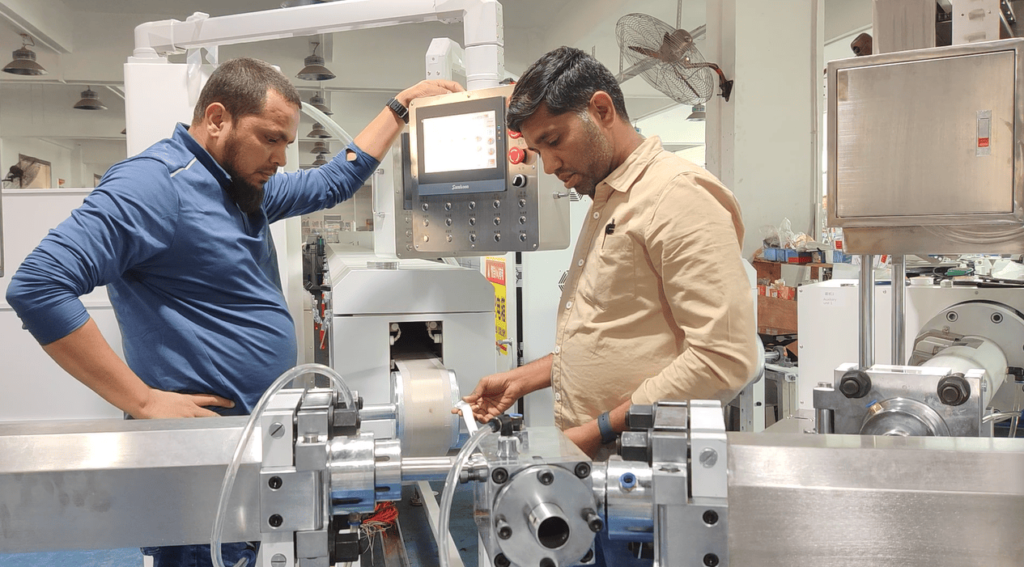
I’m Eason. Last year, I stood in three different factories on three different continents within 60 days. In Poland, we battled humidity affecting material storage. In Saudi Arabia, we solved cooling system challenges in desert heat. In the Philippines, we adapted training for a team with limited extrusion experience. Each factory now produces excellent silicone LED strips, but the paths we took were remarkably different. This article shares the global playbook for silicone extrusion success that works everywhere, yet flexes for local conditions. See our international project portfolio.
The Universal Foundations: 4 Non-Negotiables for Any Silicone Extrusion Line
Whether your factory is in Germany or Vietnam, these four principles cannot be compromised. They form the bedrock of all successful installations.
Global experience proves that consistent silicone extrusion quality requires: 1) Precision temperature control, 2) Meticulous mold maintenance protocols, 3) Standardized material validation processes, and 4) Comprehensive operator training systems. These elements transcend geographical and cultural differences.
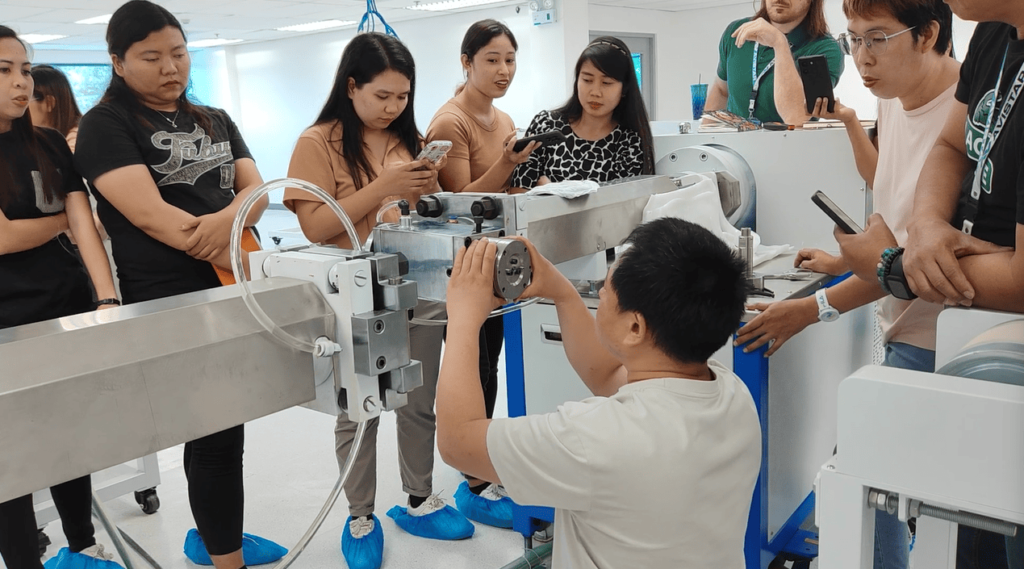
In 2023, we commissioned a line in Russia and another in Malaysia within three months. The climates were opposites, the teams spoke different languages, but our checklist was identical. This checklist comes from hard lessons. Early in our international work, we assumed local teams would “figure out” maintenance. In Iran, a client didn’t clean their mold cooling channels for six months. Mineral deposits reduced cooling efficiency by 40%. Their strip profiles became inconsistent. We learned: procedures must be spelled out, demonstrated, and verified—everywhere.
Foundation 1: Precision Thermal Management
Silicone viscosity is temperature-sensitive. In cold extrusion, this means controlling heat removal. Every installation gets the same thermal audit: chiller capacity calculation, cooling line layout verification, and temperature monitoring points. In Russia, where ambient temperatures are low, we size chillers differently than in Thailand. But the principle—maintaining mold temperature within ±2°C of setpoint—remains absolute. We install identical temperature loggers at each site and review the data remotely during the first month of production.
Foundation 2: The Mold Care Ritual
A clean, aligned mold produces perfect profiles. We’ve created pictorial SOPs for mold disassembly and cleaning that require no language translation. The images show each step: which tool to use, how to hold the core pin, where to apply cleaning solvent. In Vietnam, where written English proficiency varied, these visual guides were crucial. The ritual includes concentricity verification after every reassembly, using the same dial indicator technique worldwide. This consistency ensures that whether in Warsaw or Jakarta, the mold is treated with the same reverence for precision.
Foundation 3: Material Gateway Control
Before any mixed silicone reaches the extruder, it must pass validation. We implement a simple but non-negotiable test: a small sample is cured and evaluated. In India, we helped a client build a simple lab with a curing oven and durometer. The cost was $2,000. It saved them an estimated $15,000 in scrap in the first year by catching off-spec batches. The test parameters are adjusted for local material suppliers, but the gatekeeping function remains. No batch proceeds without a pass result.
Foundation 4: Structured Competency Transfer
Training isn’t a one-time event. It’s a progression. Our framework has three levels: Basic Operation (run the machine), Process Adjustment (tune for quality), and Diagnostic Troubleshooting (solve problems). In Poland, with experienced engineers, we reached Level 3 in two weeks. In India, with first-time operators, we focused on mastering Level 1 and Level 2 over four weeks. The curriculum adapts, but the competency standards don’t. Every technician, everywhere, must demonstrate the same core skills before we consider the training complete.
These universal foundations create a predictable quality baseline. They ensure that a silicone extrusion line installed by our team in any country meets the same fundamental standards of performance and maintainability.
Local Adaptation: The 3 Critical Adjustments for Regional Success
Imposing a “one-size-fits-all” solution fails. Success requires intelligent adaptation to local climate, supply chains, and workforce.
Three areas demand local adaptation: 1) Climate-specific cooling and material storage solutions, 2) Supply-chain driven material and spare part strategies, and 3) Culturally tailored training and communication methods. Ignoring these dooms even the best equipment to underperform.
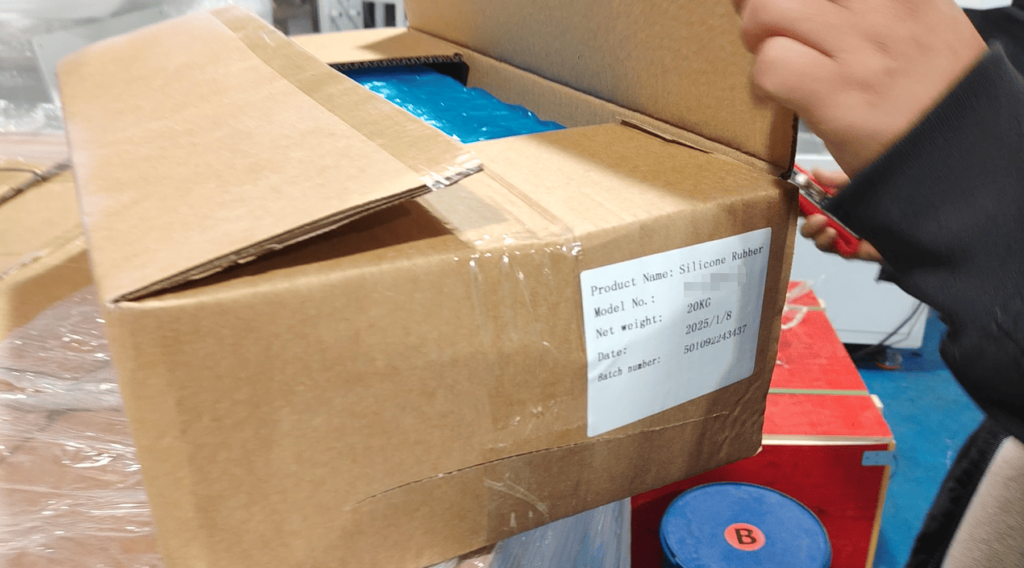
Our most educational project was in the Philippines. The specifications called for a standard industrial chiller. But the factory’s location had frequent brownouts and poor water quality. A standard chiller would have failed quickly. Instead, we designed a system with a water tank buffer and a more robust filtration system. The initial cost was 15% higher, but it prevented months of downtime. This is local adaptation—solving problems before they happen by understanding the environment.
Adaptation 1: Conquering Climate
Climate affects everything. In the desert heat of Saudi Arabia, we oversized cooling systems by 20% and added sunshades to cooling lines. In humid Vietnam, we installed dehumidifiers in the material storage room and used sealed containers for hygroscopic additives like certain diffusers. In cold Poland, we added pre-heaters to the material feeding area to prevent silicone bars from becoming too stiff. The machine is the same, but its supporting ecosystem is intelligently modified. We now maintain a climate adaptation checklist that we review during the site survey phase of every project.
Adaptation 2: Building Resilient Supply Chains
You cannot assume all materials and parts are locally available. In Russia, after sanctions complicated imports, we helped a client qualify local alternatives for silicone base polymer and wear parts. The qualification process was rigorous—testing, trial runs, documentation. Conversely, in Singapore, where everything is imported but logistics are excellent, we helped design a just-in-time inventory system for consumables. The strategy depends entirely on local logistics, tariffs, and supplier reliability. Our role is to map the supply landscape and build a practical, resilient plan for continuous production.
Adaptation 3: Training That Resonates
Communication style must fit the culture. In Germany, training is highly structured, data-driven, and question-heavy. In Thailand, it’s more relationship-based, with greater emphasis on demonstration and group practice. We adjust our methods, but not our standards. We’ve learned to use more visuals, simple English, and hands-on practice universally. In every country, we identify a “champion” on the client’s team—someone who grasps concepts quickly and can help train others. This peer-to-peer element, supported by our detailed multilingual manuals and video library, ensures knowledge transfer survives our departure.
These adaptations aren’t compromises on quality. They are enhancements that ground universal principles in local reality. A silicone extrusion process that ignores local conditions is fragile. One that adapts becomes robust and sustainable.
The Human Element: Building Teams That Sustain Quality Across Cultures
Machines don’t sustain quality—people do. The most challenging and rewarding part of global work is building teams with shared commitment across language and cultural barriers.
Sustainable extrusion quality requires fostering technical competence, problem-solving confidence, and ownership mentality within local teams. This is achieved through immersive training, clear documentation, and establishing direct support channels that empower rather than create dependency.
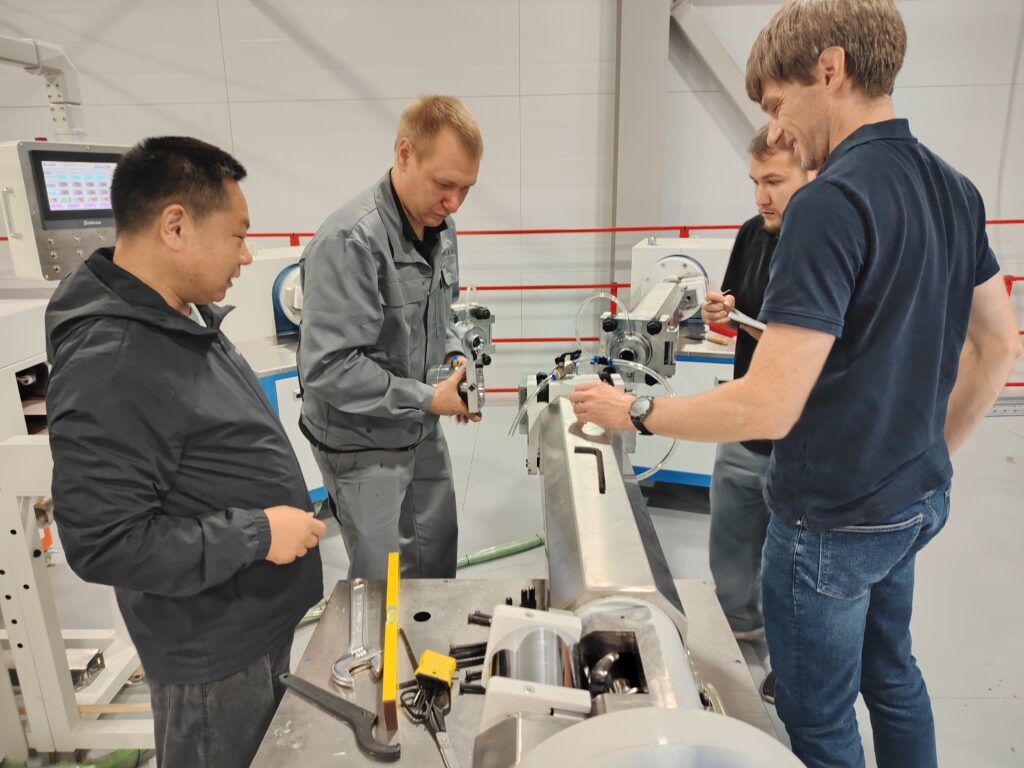
In India, I worked with a young technician named Arjun. He was bright but hesitant. His previous boss punished mistakes. So Arjun never adjusted anything; he just watched and reported problems. Our training had to rebuild his confidence. We started with simple, safe tasks—cleaning the extruder screw, weighing materials. We celebrated when he did them perfectly. Gradually, we moved to mold alignment. When he centered his first mold and saw the perfect strip emerge, his posture changed. He became an owner. Six months later, he called me to describe a vibration noise. Together, we diagnosed a worn coupling over video call. He fixed it. Arjun’s journey is the goal: transforming workers from passive operators to active process guardians.
Our methodology for building such teams has three phases:
Phase 1: Foundation Building (Weeks 1-2)
This is about safety and basic competence. We conduct training side-by-side on the actual machine. We use the “I do, we do, you do” method. I demonstrate a task (like threading the LED strip PCB). Then we do it together. Then the trainee does it alone while I watch. We focus on one critical outcome: the trainee must believe, “I can operate this line safely and produce good product.” Language barriers are overcome with pictures, gestures, and translation apps. The atmosphere must be one of encouragement, not intimidation.
Phase 2: Problem-Solving Development (Weeks 3-4)
Once operations are stable, we introduce faults. We create a small bubble defect by adjusting parameters. We ask the team to find the cause using the process data. We guide them through the logic: check material batch, check screw pressure, check cooling temperature. This builds diagnostic thinking. We also simulate emergencies—a “broken” thermocouple, a simulated material jam. The team practices the response procedure. This phase builds the confidence to handle the inevitable issues that arise after we leave.
Phase 3: Ownership Transition (Ongoing)
Before we depart, we facilitate a formal handover. The local team presents their understanding of the line to their management. They run the machine start-to-finish. They explain the quality checks. This ceremony transfers psychological ownership. We then establish clear, direct support channels—usually a WhatsApp&Wechat group or dedicated email where their leads can contact me or our support engineers directly. This provides a safety net without fostering dependency. The message is clear: “This is your line now. We are here to help, but you are in control.”
This human investment is what turns a shipped machine into a successful, long-term asset. It’s why some of our best client relationships are with factories we haven’t visited in years—their teams run the lines flawlessly, and they know we’re just a call away if a truly novel challenge appears.
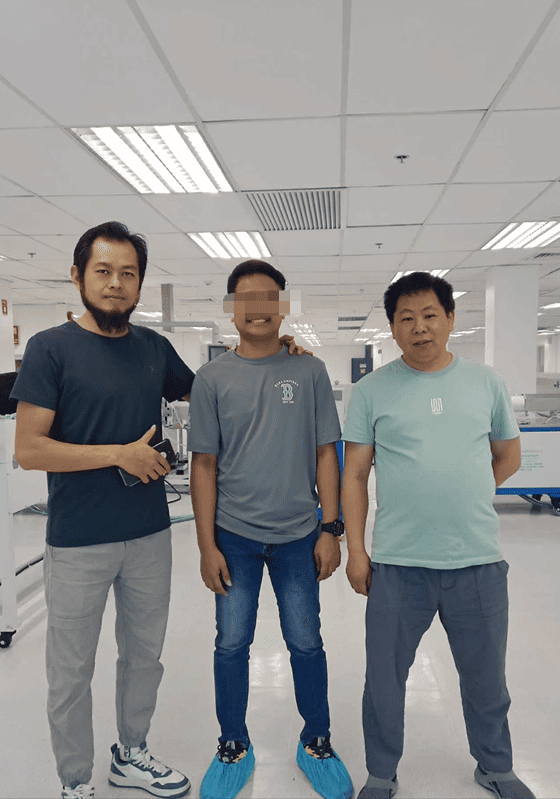
From Installation to Innovation: How Global Feedback Improves Everyone’s Process
Every international installation teaches us something new. These lessons flow back to improve our machines, our methods, and benefit all our clients worldwide.
Our global deployment acts as a massive real-world testing lab. Solutions developed for a desert climate improve reliability for all. Training methods refined in Asia make our manuals clearer everywhere. Feedback from diverse users drives continuous innovation in extrusion technology and support.
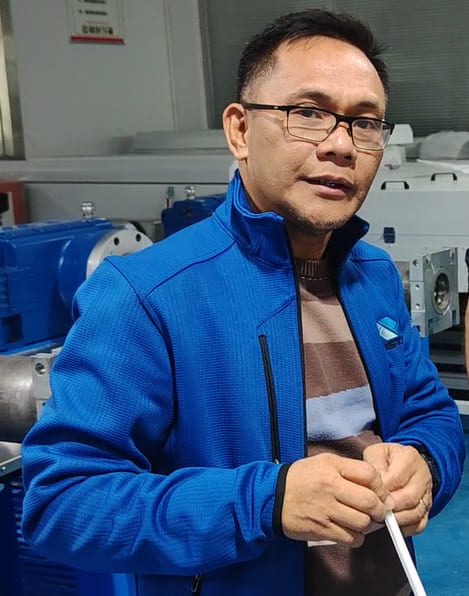
The factory in Saudi Arabia had an ingenious idea. Their maintenance chief, Mahmoud, found that standard heater bands failed quickly in their dusty environment. He designed a simple removable metal shroud that kept dust off the bands. It cost almost nothing and doubled their lifespan. We photographed it, asked his permission, and now include a similar shroud design in our quotation for all arid region projects. Mahmoud’s idea now helps clients in Egypt and Morocco. This is the virtuous cycle of global implementation.
How Feedback Improves Hardware:
- Enhanced Cooling Systems: Challenges in Southeast Asian humidity led to better sealing standards for electrical panels on all our machines.
- Simplified Maintenance: Requests from factories with smaller maintenance teams drove us to redesign our crosshead mold for faster disassembly with fewer tools.
- Material Handling: Issues with silicone bar feeding in cold Russian factories prompted the development of an optional hopper pre-warming zone.
How Feedback Improves Knowledge:
Every unusual defect becomes a case study. A strip delamination problem in Poland, traced to a specific brand of PCB solder mask, is documented. When a client in Brazil mentions using that same PCB brand, we can warn them immediately and suggest a primer solution. Our internal knowledge base now contains hundreds of these cross-referenced issues and solutions. It makes our support faster and more precise for everyone.
Creating a Global Community:
With client permission, we sometimes connect them with peers in similar climates or markets. A client in Mexico struggling with a particular color matching issue was introduced to a client in Spain who had solved it. They shared formulas (within their commercial boundaries). This peer network, facilitated by us, adds immense value beyond the equipment sale. It creates a community of practice in silicone LED strip manufacturing.
This feedback loop ensures that our technology and knowledge never stagnate. A client buying a silicone extrusion line today isn’t just getting a machine; they’re getting the cumulative intelligence from hundreds of thousands of production hours across the globe. Their success is built on the learned (and sometimes hard-earned) experience of every factory that came before them.
Conclusion: The World is Your Quality Laboratory
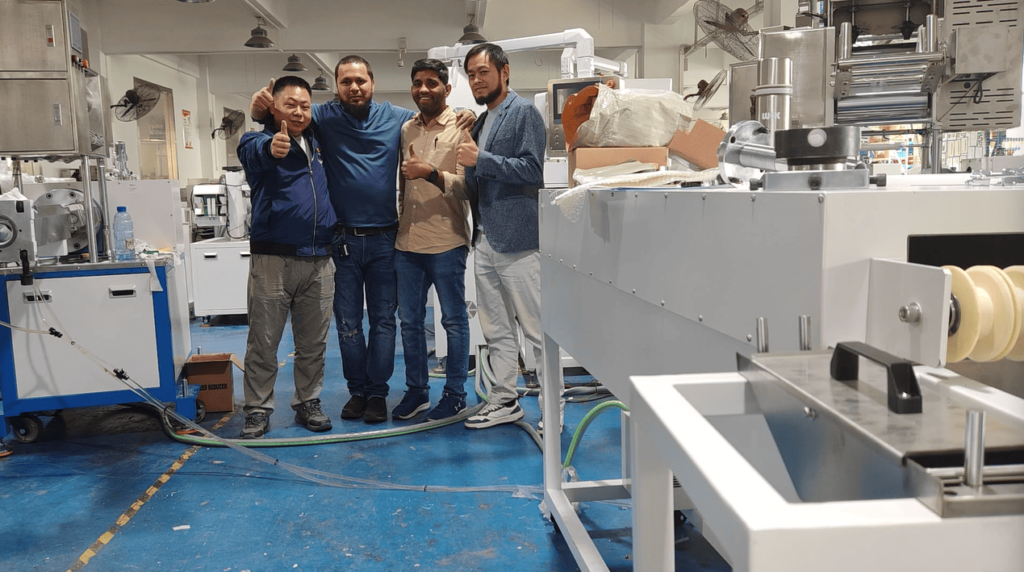
Viewing the world as a single market misses the point. Viewing it as a diverse laboratory for perfecting extrusion quality unlocks continuous improvement.
Global experience in silicone extrusion teaches that quality principles are universal, but their application must be intelligent and adaptive. The factories that thrive are those that master the non-negotiables while expertly adapting to their local context, supported by shared global knowledge.
The journey from installing a line to seeing it run independently, producing perfect strips day after day, is remarkably similar everywhere. There’s a moment—often in the second week—when the local team’s anxiety turns to focus, and then to pride. That moment happens in Poland, the Philippines, and Saudi Arabia alike. It’s the moment they truly own their silicone extrusion process. Our job is to guide them to that moment efficiently, regardless of where in the world they are.
Considering an extrusion line for your global manufacturing footprint?
Leverage our world-tested playbook. We can help you design an installation and training plan that applies universal quality standards while perfectly adapting to your local factory’s environment, team, and supply chain.
Contact me, Eason, to discuss how global lessons can ensure your local success. Whether you’re in Europe, Asia, or the Americas, let’s build a line that works brilliantly for your specific corner of the world.