
I am Eason. It is 2026. I am sitting in my home office in China. My two sons are playing with their toy cars on the floor. The younger one just cried because his cheap plastic car broke after five minutes. I told him that “cheap things often cost the most because you have to buy them twice.” This is a lesson I teach my children. It is also a lesson I teach my clients every single day. I work as a sales engineer for high-end LED silicone strip extrusion machine systems. I have visited over fifty factories across Russia, Poland, Saudi Arabia, and China. I see the same tragedy everywhere. A factory owner wants to save money. He buys a low-priced silicone extruder from a random supplier. He thinks he is smart. He thinks he saved $20,000. But six months later, he is calling me. He is stressed. He is losing money. His factory profit is disappearing. In this 2026 market, the competition is too fast for bad hardware. You cannot win a race with a broken leg.
A low-price silicone extruder is a trap. It looks like a machine. It turns like a machine. But it does not produce like a professional LED silicone strip extrusion machine. When you choose a cheap machine, you are not just buying a tool. You are buying five major hidden costs. These costs will eat your margin until you have nothing left. I see this happening in 2026 more than ever. The energy prices are high. The labor costs are rising. The customers want perfect quality for their 1615 and 1212 neon flex. If your machine is not perfect, you are in trouble. I love playing basketball because it is a game of precision and stamina. A cheap machine has no precision. It has no stamina. It fails when the game gets hard. This article is my honest hidden cost analysis based on years of hardware process experience. I want to show you why that low price tag is actually a debt you will pay every day.
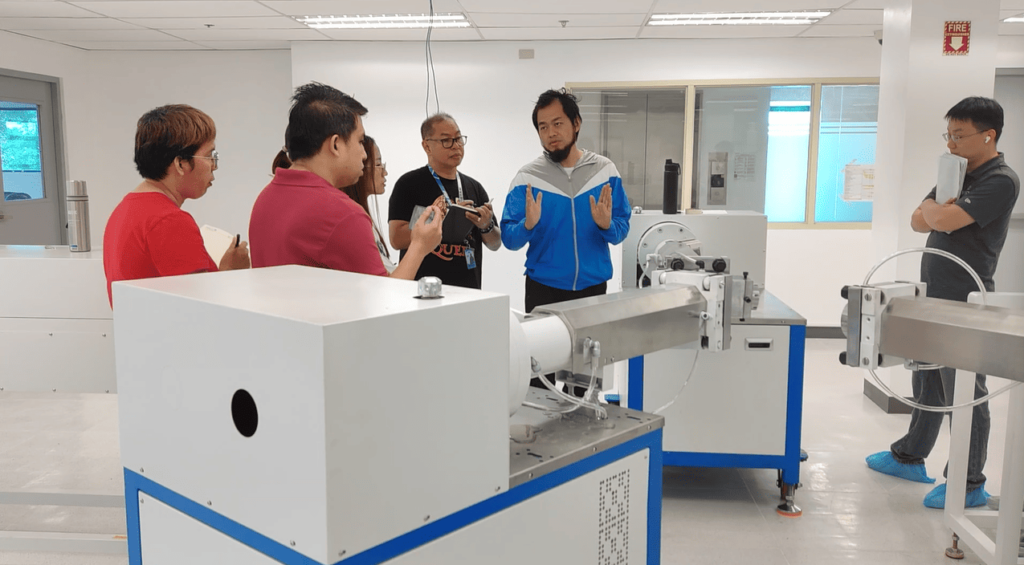
1. Massive Material Waste During Start-up and Production
The first hidden cost is material waste. A low-price silicone extruder has very poor temperature control. Silicone is a sensitive material. It needs to stay cool in the barrel and get hot in the oven. If the screw design is bad, it creates friction heat. This heat makes the silicone cure too early. I call this “the silent thief.” In a high-quality LED silicone strip extrusion machine, the start-up time is fast. You waste maybe 5 meters of material to get a stable shape. In a low-price machine, I have seen workers waste 50 meters or 100 meters of silicone just to get the size right. This is raw money going into the trash bin.
I want to dive deeper into the physics of this waste because it is important. A cheap machine uses a basic screw with a simple thread. This screw does not mix the silicone and the color pigment evenly at low speeds. So, you have to turn the speed up. But then the friction creates heat. The cooling system in a low-price silicone extruder is usually just a small pump and some thin pipes. It cannot pull the heat away fast enough. The silicone starts to get “pre-cured” bits inside. These bits clog the mold. Then the operator has to stop the machine. He has to clean the mold. He has to restart. Every time he restarts, he wastes another 50 meters of material. If you do this three times a day, you are losing thousands of dollars every month. In 2026, silicone raw material is not cheap. You are paying for high-grade polymers. Throwing them away is like throwing away cash. I saw a factory in Poland where the “trash pile” of wasted silicone was bigger than the finished product pile. The owner was crying because he could not understand why his profit was so low. The answer was his cheap extruder. A professional machine uses a specialized CNC-machined screw. This screw keeps the material stable. It uses a high-capacity water-cooling jacket. This jacket keeps the barrel at exactly 25 degrees Celsius. This precision means you get a perfect strip in minutes, not hours.
2. Unplanned Downtime and Frequent Hardware Failures
The second hidden cost is downtime. A low-price silicone extruder is built with cheap parts. The motor is often a generic brand. The gearbox is made of soft cast iron instead of hardened steel. In the first three months, the machine runs okay. But then the problems start. The bearings start to squeak. The heater bands burn out. The PLC screen freezes. I like hiking because it teaches me to trust my gear. If my boots break in the middle of a mountain, I am in big trouble. In a factory, if your LED silicone strip extrusion machine breaks on a Tuesday, your whole production schedule for the week is ruined.
I want to dive deeper into why these cheap parts fail so often in the 2026 environment. A low-price silicone extruder supplier saves money by using low-grade electrical components. They use cheap contactors and basic wires. When the machine runs for 24 hours, these parts get hot. They melt or they fail. Also, the mechanical alignment is often bad. The screw is not perfectly centered in the barrel. This causes “metal-on-metal” rubbing. Eventually, the screw or the barrel will break. Replacing a screw is not just about the cost of the part. It is about the time. You have to order the part. You have to wait for shipping. You have to find a technician. While the machine is sitting still, you are still paying rent. You are still paying your workers. You are still paying for the lights. This is the “hidden debt” of a low-price silicone extruder. I worked with a client in Russia who bought three cheap lines. Every week, at least one line was broken. He spent all his time being a mechanic instead of a CEO. He was always dirty with grease and stressed about late deliveries. When he finally bought our professional LED silicone strip extrusion machine, he told me he finally slept through the night. Our machines use Siemens motors and high-torque gearboxes. These parts are designed to run for years without stopping. We use S136 stainless steel for the parts that touch the silicone. This steel does not wear out. This means your downtime goes from “every week” to “once a year for maintenance.”
3. High Energy Consumption and Heat Loss
The third hidden cost is energy. We are in 2026. Energy is one of the biggest expenses for any factory. A low-price silicone extruder is very inefficient. The heaters are old-style ceramic bands. They do not have good insulation. Most of the heat goes into the air of the factory instead of into the silicone. Your air conditioner has to work harder to cool the room. This is a double cost. You pay to heat the air, and then you pay to cool the air. A professional LED silicone strip extrusion machine uses high-density insulation and infrared heaters. This saves a lot of money on the electric bill.
I want to dive deeper into the energy math of these machines. A cheap extruder might use 50 kilowatts of power to do the same job that a professional machine does with 30 kilowatts. That is 20 kilowatts of wasted power every hour. If you run the machine for 20 hours a day, that is 400 kilowatts wasted per day. In 2026, electricity prices in places like Europe are very high. Over one year, this wasted energy can cost more than the price of the machine itself. Also, the motors in a low-price silicone extruder are not VFD-optimized. This means they pull full power even when the machine is running slow. A high-end LED silicone strip extrusion machine uses a smart inverter system. It only uses the power it needs. I often tell my clients to look at their power meters. I show them how my machine proposal will pay for itself in eighteen months just through energy savings. When I am hiking, I carry a light backpack. I don’t want to waste energy carrying things I don’t need. A factory should be the same. You should not waste energy on bad heaters and old motors. I see many owners ignore the electric bill until it is too late. They think the machine was “cheap.” But the electric company is the one getting rich. My machines are designed with “green” logic. We use efficient vulcanization ovens with heat-recovery systems. This keeps the heat inside the oven and away from your workers. This is how you protect your factory profit in the long run.
4. Market Rejection Due to Poor Surface Quality
The fourth hidden cost is the loss of customers. A low-price silicone extruder cannot produce a high-quality surface. The extrusion pressure is not stable. This causes “waves” on the surface of the neon flex. The light looks uneven. The color might be slightly different from one meter to the next. In 2026, the market for LED strips is very competitive. Customers in the Middle East and Europe want perfect products. They want the 1615 profile to look like a solid piece of light. If your strip has bubbles, scratches, or uneven edges, they will send it back. They will not pay you. They will go to your competitor who has a better machine.
I want to dive deeper into the quality gap. The surface of a silicone strip depends on the “flow stability” of the extruder. A low-price silicone extruder has a cheap motor drive. This drive has “jitters.” The screw turns at 20.1 RPM, then 19.9 RPM, then 20.2 RPM. You cannot see this with your eyes. But the silicone can feel it. These small changes in speed create tiny ripples on the surface. When the LED light hits these ripples, it creates shadows. This is why some neon flex looks “cheap” and some looks “luxury.” Also, the mold design on a cheap machine is usually poor. The internal channels are not polished. This creates friction and “drag marks” on the silicone. I have seen many factory owners try to sell these low-quality strips. They have to lower their price just to get someone to buy them. So, even if they produce 1,000 meters, they make very little profit. They are stuck in a “price war” because their quality is not good enough for high-end projects. My LED silicone strip extrusion machine produces a “mirror finish.” We use high-precision CNC molds and stable servo motors. This allows my clients to charge a premium price. They don’t have to fight for the lowest price. They win because they have the best quality. I always tell my sons that if you do a job, do it so well that people cannot ignore you. I want your factory to be the one that people cannot ignore.
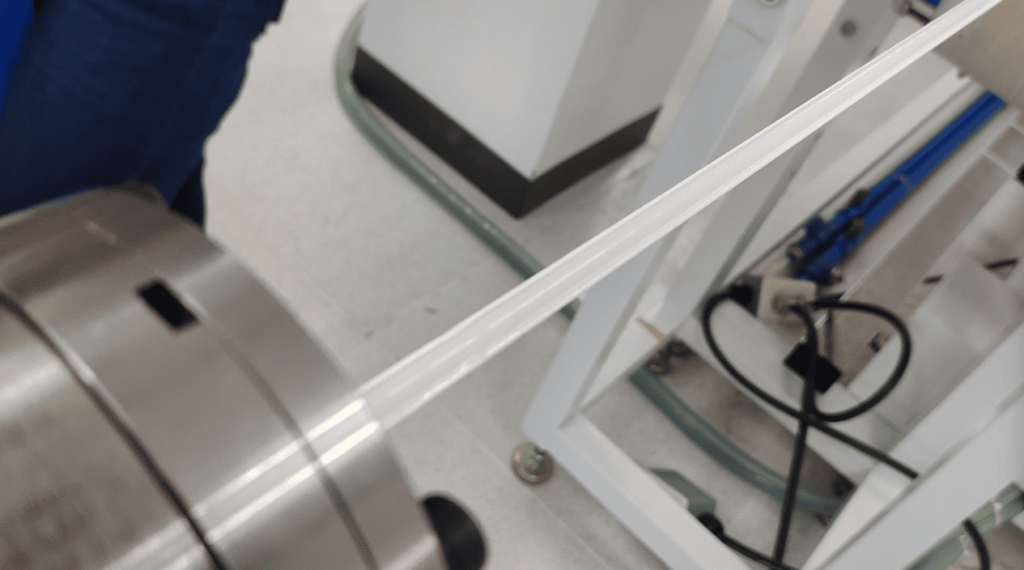
5. High Labor Costs for Constant Adjustments
The fifth hidden cost is labor. A low-price silicone extruder is hard to operate. It is not automated. It requires a worker to stand next to it all day. The worker has to turn knobs. He has to adjust the temperature manually. He has to fix the tension of the pulling machine. Because the machine is unstable, the worker is always busy. In 2026, finding good workers is hard. It is also expensive. If you need two or three workers to manage one bad line, your labor cost per meter is too high. A modern LED silicone strip extrusion machine is almost fully automatic. One worker can manage three or four lines at the same time.
I want to dive deeper into the labor efficiency of the 2026 factory. A cheap machine makes the workers frustrated. They are always fighting with the machine. The scrap rate is high, and the boss is angry. This causes high worker turnover. You spend time and money training a new guy, and then he quits because the low-price silicone extruder is a nightmare to use. A high-end LED silicone strip extrusion machine uses a centralized PLC control system. You save the recipe for a 1212 strip in the computer. Next time you want to make that strip, you just press a button. The machine sets the temperatures, the motor speeds, and the oven heat automatically. The worker just has to watch the screen. This makes the job easy and clean. I see many owners in Russia and Saudi Arabia who are moving to this “Smart Factory” model. They want to reduce their dependence on manual labor. I provide a 14-day training on-site to make sure their workers are comfortable with the technology. I show them how the “auto-sync” feature keeps the extruder and the puller in perfect harmony. In a low-price machine, if the puller is 1% too fast, the strip breaks. In our machine, the computer fixes that in a millisecond. This means less stress for the workers and more profit for the owner. You save money every month because you need fewer people to produce more product.
Conclusion: Investing in Your Factory Profit
In conclusion, buying a low-price silicone extruder is the most expensive mistake you can make in 2026. You will lose money on wasted material. You will lose money on broken parts. You will lose money on high electric bills. You will lose money because customers reject your low-quality products. And you will lose money on high labor costs. When you add all these “hidden costs” together, the cheap machine becomes a financial disaster. I am Eason, and I have seen this story many times. I don’t want it to be your story.
I choose to sell high-quality LED silicone strip extrusion machine systems because I believe in value. I want my clients to be successful. I want them to grow their business and buy more machines from me. I love hiking and basketball because they require a long-term mindset. You cannot win with a short-term shortcut. A professional machine is an investment in your future. It gives you the precision to make the best 1615 and 1212 neon flex in the world. It gives you the efficiency to stay profitable when energy prices rise. It gives you the peace of mind to focus on selling instead of fixing hardware. My manufacture process is dedicated to this level of excellence. I stay on your factory floor for 14 days to ensure your success. I solve the technical hurdles so you don’t have to. Don’t fall for the trap of a low price. Choose quality, choose efficiency, and choose a partner who cares about your profit as much as you do.
- Hidden Cost Analysis: 5 Ways a Low-Price Silicone Extruder Will Kill Your Factory Profits in 2026
- 2026 Maintenance Guide: How to Extend the Life of Your High-Precision Silicone Extrusion Molds
- 2026 LED Silicone Extrusion Industry Trends: The Perfect Fusion of COB LED Strips and Silicone Sleeves
- Why is the mold the heart of your LED silicone strip extrusion machine success?
- 5 Key Differences Between Silicone and PVC Extrusion Machines: Why Your Factory Must Switch to Silicone in 2026