
Are you still using old PVC technology for your LED neon flex production? The year 2026 marks a major turning point for the global lighting industry. Many factory owners are asking me if they should invest in an LED silicone strip extrusion machine or stick with their current PVC lines. My answer is always the same. You must switch to silicone if you want to stay competitive and profitable. I have seen the market shift toward high-end materials in Europe, the Middle East, and Asia. Silicone is no longer a luxury. It is a necessity for anyone who wants to build a premium brand. My name is Eason and I have spent over five years helping factories make this transition. I know the hardware, the physics, and the business logic behind this change.
The main difference between an LED silicone strip extrusion machine and a PVC line is the temperature logic. Silicone uses cold extrusion and hot forming, while PVC uses hot extrusion and cold forming. Silicone requires a vulcanization oven to cure the material at high temperatures after it leaves a cooled extruder barrel. In 2026, switching to silicone is essential because it offers better UV resistance, a longer lifespan, and higher environmental safety. This transition allows your factory to produce high-value 1615 and 1212 neon flex that PVC simply cannot match in quality or durability.
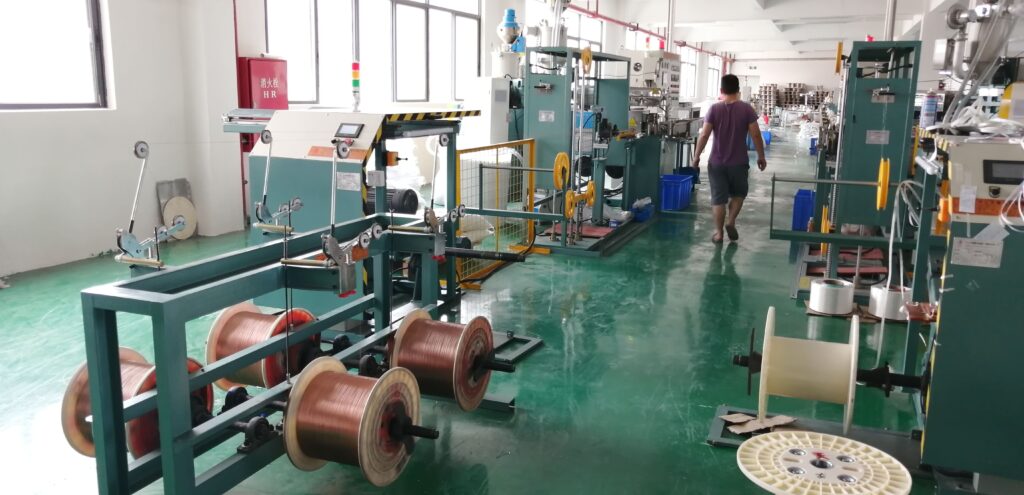
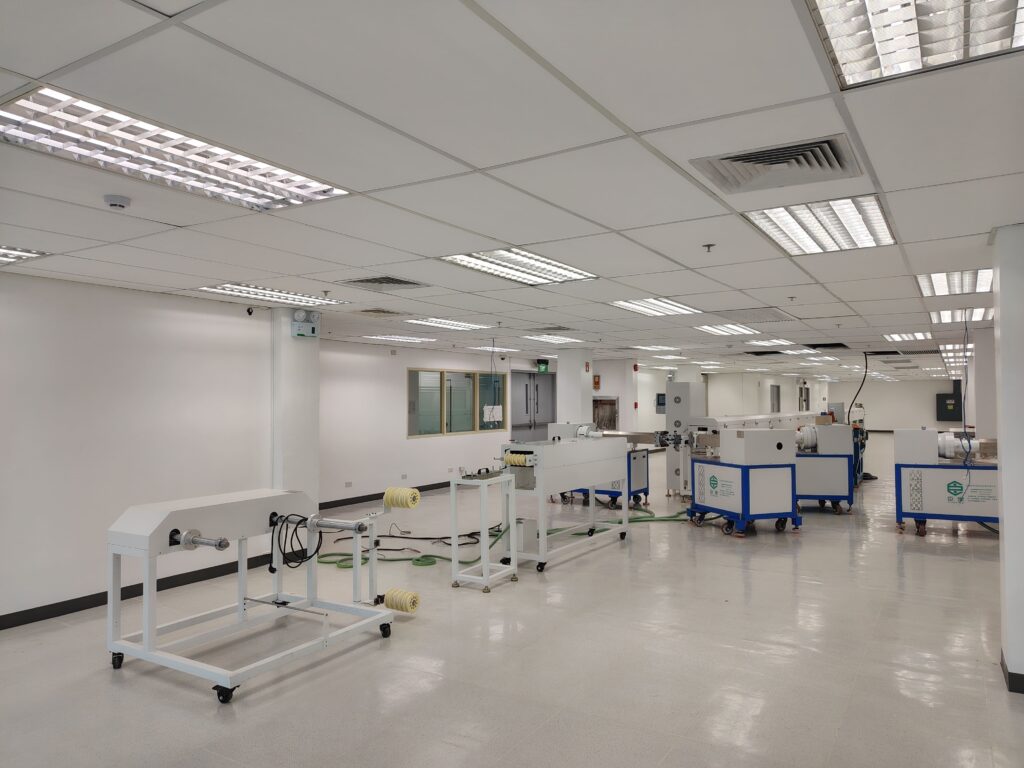
I am Eason, a sales engineer focused on the LED silicone strip extrusion machine. I live in China with my wife and our two sons. My boys are very curious. They often ask me why the silicone samples I bring home are so soft and bendy. I tell them that it is all about the science of the material. When I am not working, I love to go hiking. Hiking helps me understand that the best paths are often the ones that require the most preparation. I also enjoy playing basketball with my local team. Basketball is a game of quick decisions and perfect timing. I use these same skills when I am on a factory floor. I also follow global economics and politics. I see how green energy laws are making PVC harder to sell in places like Poland and Germany. This is why I am so passionate about helping you upgrade your hardware. You can learn more about our advanced extrusion solutions on our main website.
Difference 1: Cold Extrusion vs Hot Extrusion Logic
The most fundamental difference is how the material moves through the machine. In an LED silicone strip extrusion machine, we use cold extrusion. This means the screw barrel must stay at a low temperature, usually between 20°C and 40°C. We use water-cooling jackets to pull heat away from the silicone. If the silicone gets too hot inside the barrel, it will cure and clog the machine. This is a “huge work” for the cooling system. PVC is the exact opposite. A PVC machine uses heaters to melt the plastic pellets at 160°C or higher. If a PVC machine is cold, it cannot move the material. If a silicone machine is hot, it ruins the material. This is the first thing I teach my clients when I arrive for on-site training.
I remember a project in India where the client tried to use their old PVC cooling settings on a new LED silicone strip extrusion machine. They turned on the heaters by mistake. Within ten minutes, the machine was stuck. I had to help them dismantle the entire screw and clean out the hardened silicone. It took us a whole day of hard work. I have two sons and I tell them that you must read the instructions before you start a new game. In the factory, you must understand the “cold heart” of the silicone process. I use my CNC knowledge to design screw barrels that have maximum surface area for cooling. This ensures that even in a hot climate like Saudi Arabia, the machine stays at the right temperature. I like to play basketball because you have to stay cool when the game gets intense. The LED silicone strip extrusion machine does the same thing. It stays cool so it can perform at its best.
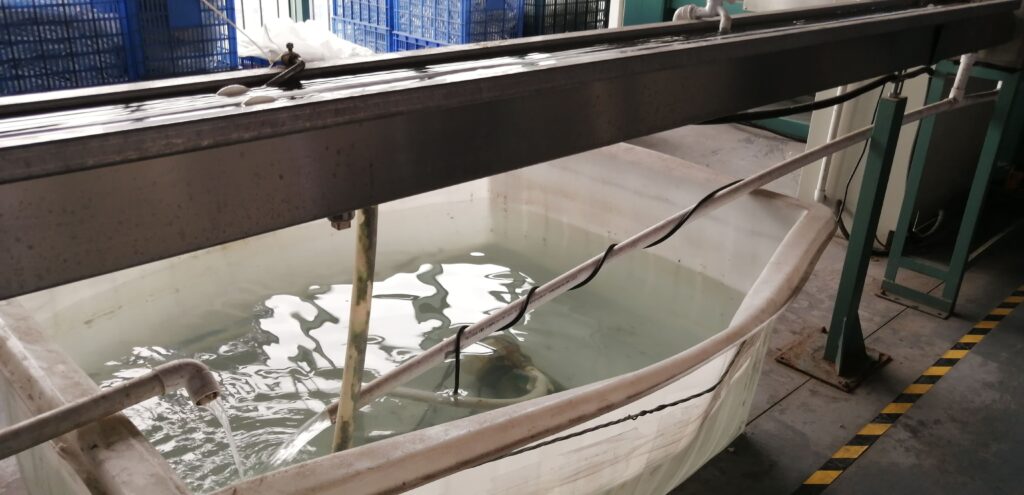
To dive deeper into this topic, you must understand the chemical nature of the material. Silicone is a thermosetting polymer. This means once it is cured by heat, it cannot be melted again. This is why the LED silicone strip extrusion machine must keep the material in its raw, liquid-like state until the very last second. We use a high-torque screw that turns at a steady speed. The friction of the screw can create heat, so the water jackets must be very efficient. I check the water flow meters every hour during the first week of installation. If the flow stops, the machine is in danger. In a PVC machine, you are dealing with a thermoplastic. You can melt it, cool it, and melt it again. This makes PVC easier to handle for beginners but much worse for the final product quality. Silicone has a much higher viscosity than melted PVC. This means the LED silicone strip extrusion machine needs a stronger motor and a more robust gearbox. I have seen many cheap machines fail because their motors were designed for PVC, not for the heavy push of silicone. I follow international business practices and I always specify the highest-grade motors from brands like Siemens or Delta. This gives my clients in Russia and Poland the confidence that their machine will run for 24 hours without a break. I enjoy reading about the hardware process of these motors. It is amazing how much technology goes into keeping a machine cold while it works so hard.
Difference 2: Thermal Forming vs Water Cooling Tanks
The second big difference is what happens after the strip leaves the mold. For a PVC strip, you pull it through a long tank of cold water to make it hard. This is called cold forming. For an LED silicone strip extrusion machine, the strip comes out soft and must go into a high-heat oven. This is thermal forming or vulcanization. The oven is usually 10 to 15 meters long and reaches temperatures up to 250°C. This heat triggers the curing agent in the silicone. By the time the strip reaches the end of the oven, it is a solid, flexible neon flex. You cannot make silicone strips without this oven. It is the most important part of the LED silicone strip extrusion machine solution for high-speed production.
I enjoy hiking because you see how different environments change the things around you. In the factory, the oven is the environment that changes the silicone. I once worked with a client in Poland who was worried about the energy cost of the oven. I showed them my machine proposal with high-density insulation and a heat-recovery system. I like to follow global politics and I know that energy prices in Europe are a big concern. We designed the oven to be very efficient. I use my experience in hardware processes to make sure the air flow inside the oven is perfectly balanced. If the air hits the strip unevenly, you get “unshaped” defects. I tell my two sons that you need a warm coat in the winter to stay comfortable. The silicone needs a warm oven to become strong. I stay on-site for 14 days to help you tune the oven temperature. We find the “sweet spot” where the silicone cures fast but does not burn. This is how we reach a 5000m daily capacity.
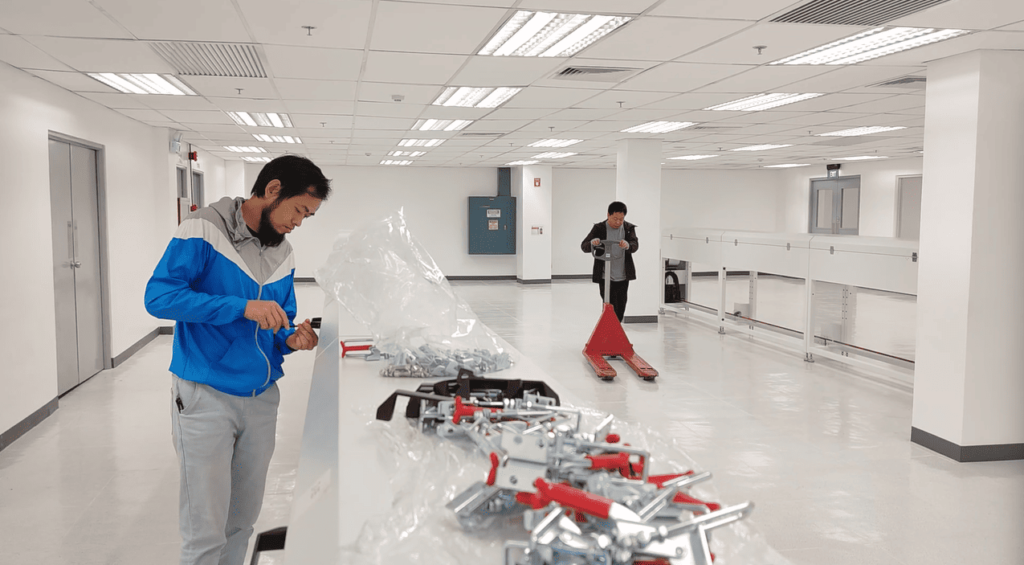
To dive deeper, you must look at the physics of the oven conveyor. In an LED silicone strip extrusion machine setup, the strip is very soft when it first enters the oven. If the conveyor belt is not perfectly smooth, the strip will take the texture of the belt. This ruins the bottom surface of the 1615 profile. We use a special Teflon-coated belt or a high-speed vertical hanging system to prevent this. I spend a lot of time checking the tension of the conveyor. It must match the speed of the LED silicone strip extrusion machine exactly. If the belt is 1% faster than the extruder, the strip will stretch and the LED PCB inside might break. This is where “material gap on LED strip” problems often start. I use my basketball logic here. The passer (extruder) and the receiver (oven belt) must have perfect timing. I use a laser sensor to monitor the gap between the machine and the oven. This sensor tells the PLC to adjust the motor speed in milliseconds. PVC machines do not need this level of precision because the water tank does not pull the material in the same way. Silicone is a much more “live” material. It reacts to every change in speed and temperature. This is why I provide a detailed machine proposal that includes these advanced sensors. I want to solve the problems before they happen in your factory. I know that for my clients in Russia and Saudi Arabia, quality is the only way to beat the competition.
Difference 3: Product Lifespan and UV Resistance
Why are customers in 2026 moving away from PVC? The answer is yellowing and cracking. PVC is a cheap plastic that breaks down under the sun. After six months outside, a PVC neon strip will turn yellow and become brittle. Silicone does not have this problem. An LED silicone strip extrusion machine produces strips that can last for 10 years or more. Silicone is naturally resistant to UV rays and extreme temperatures. It stays flexible at -40°C in St. Petersburg and at 60°C in Saudi Arabia. This is the “authentic” value that I sell to my clients. When you buy my machine, you are buying the ability to offer a 5-year warranty to your customers. PVC factories can only offer one year.
I read a lot about global economics and I see that customers are tired of “disposable” products. They want things that last. I tell my two sons that it is better to have one good toy than ten broken ones. I tell my clients the same thing about their production lines. If you use an LED silicone strip extrusion machine, you are building a reputation for quality. I once visited a factory in India that was switching from PVC to silicone. They showed me a pile of returned PVC strips that had turned yellow. They were losing money and their brand was dying. I helped them set up their first silicone line. We focused on the 1212 and 1615 profiles. I showed them how the “opacifying edge” of silicone looks much cleaner than PVC. I use my surface treatment knowledge to ensure the silicone has a nice matte finish. This looks very high-end. I play basketball because I want to be on the best team. If you want your factory to be on the winning team in 2026, you must use silicone.
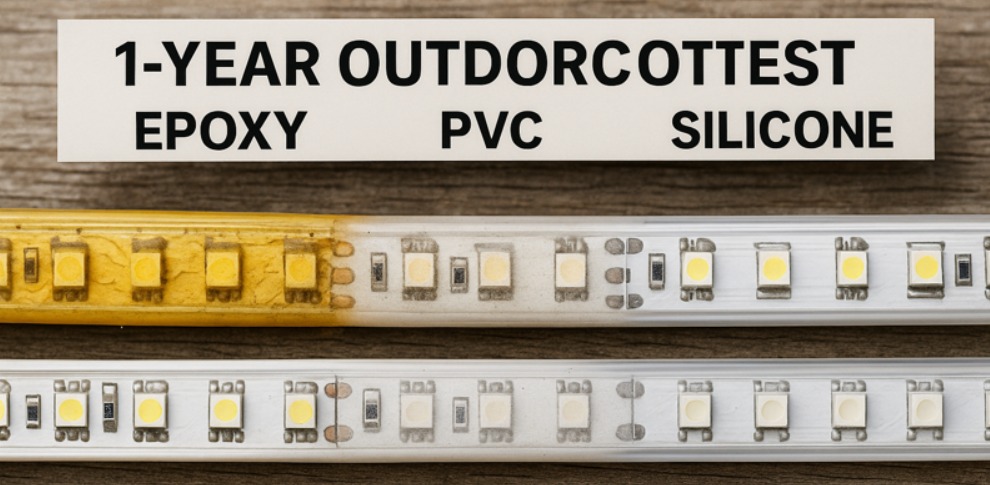
To dive deeper, let’s look at the chemical stability of silicone. Silicone is made from silica (sand), while PVC is made from petroleum. This makes silicone much more stable in harsh environments. In an LED silicone strip extrusion machine, we can use different grades of silicone for different jobs. For example, we use high-transparency silicone for the top layer and high-reflective white silicone for the base. This creates a much higher light efficiency than PVC. PVC often has “smoke” or “haze” inside the material that blocks the light. Silicone is as clear as glass but as flexible as rubber. This clarity is why high-end architectural projects always specify silicone neon flex. I have seen how the Russian architectural market demands perfect light diffusion. They use my LED silicone strip extrusion machine to create strips that have no “dark spots.” I use my knowledge of CNC and mold design to create the internal structure of the strip. This structure helps the light bounce around and fill the entire diffuser. PVC cannot do this because it is too rigid and the material is not clear enough. I also find that silicone handles the heat from the LEDs much better. Modern LEDs are very bright and get very hot. PVC will melt or smell bad if the LEDs are too hot. Silicone stays cool and safe. This is the technical advantage that makes silicone the king of 2026. I am proud to help my clients master this technology from the manufacture to the final product.
Difference 4: Environmental Safety and Global Standards
In 2026, the world is very focused on the environment. PVC contains chlorine and often uses harmful plasticizers like phthalates. When PVC burns, it releases toxic gases. This is why many indoor projects in Europe and the USA have banned PVC. Silicone is non-toxic and food-grade. It does not release harmful chemicals. An LED silicone strip extrusion machine is a “green” investment. This helps your factory pass audits and win contracts from big international brands. I follow global politics and I see how the ESG (Environmental, Social, and Governance) scores are becoming important for businesses.
I like hiking because it reminds me to protect nature. I don’t want to see plastic waste in the mountains. I tell my two sons that we must leave the trail cleaner than we found it. In my work, I help factories reduce their environmental footprint. I once worked with a client in Saudi Arabia who was building a “green city” project. They would only buy silicone neon flex. My LED silicone strip extrusion machine was the perfect solution for them. I showed them how the silicone scrap can be ground up and used for other products. PVC scrap is much harder to recycle. I use my knowledge of international business to help my clients get the right certifications, like RoHS and REACH. I provide a machine proposal that focuses on efficiency and low waste. I stay on-site for 14天 to make sure your workers know how to handle the material safely. I believe that being a productive force means being a responsible force. My silicone technology is designed for a cleaner future.
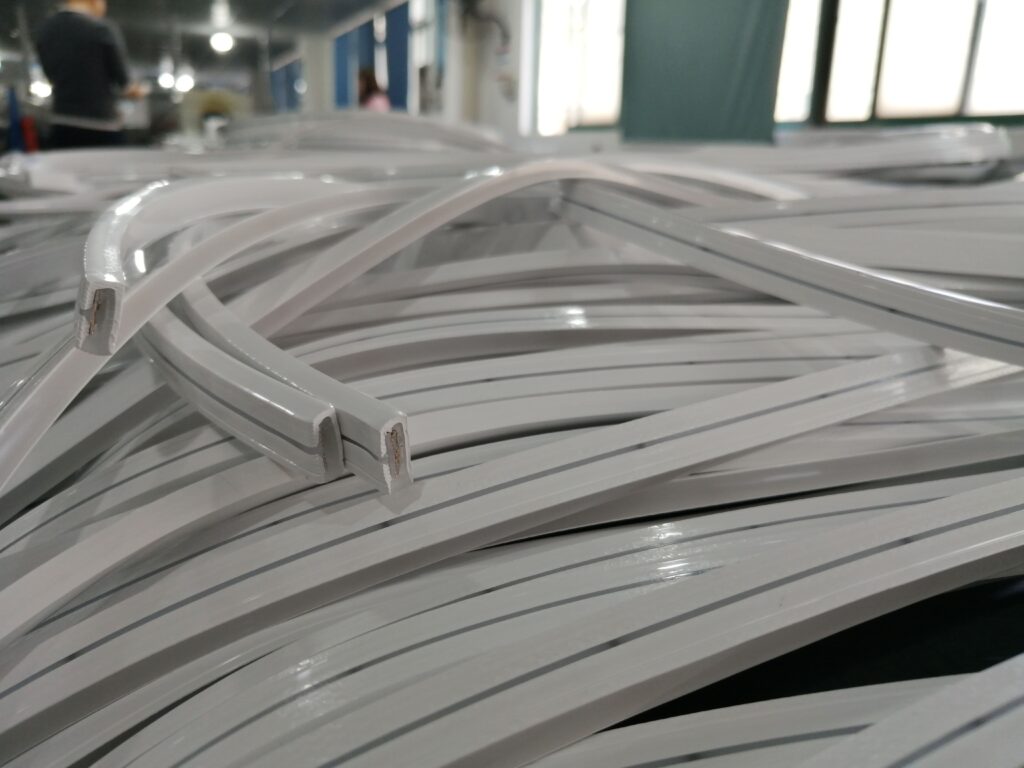
To dive deeper into the compliance side, let’s talk about the European market. If you want to export to Poland or Germany in 2026, you must meet very strict safety standards. The “Fire Safety” rating for buildings is a big deal. Silicone has a very high flash point and does not catch fire easily. When it does burn, it only leaves behind a white ash (silica) that is not toxic. PVC produces thick, black, toxic smoke that can kill people in a fire. This is why the LED silicone strip extrusion machine is the only choice for indoor commercial lighting. I have spent many hours talking with R&D engineers like Shane about these safety tests. We test the “smoke density” and the “flame spread” of the strips made on our machines. I use my hardware process knowledge to optimize the silicone formula for fire resistance. I can help you find the right additives to meet the highest safety grades. This is something a PVC machine supplier cannot help you with. I also follow the economics of these standards. While silicone material is more expensive than PVC, the “price per meter” of the finished high-end product is three times higher. You make more profit with less material. This is the smart way to run a business in 2026. I am here to solve these cross-border technical hurdles for you. I make sure your factory is ready for the global stage.
Difference 5: Co-extrusion Precision and Mold Design
The final difference is the complexity of the mold and the co-extrusion process. A PVC machine usually makes simple shapes. An LED silicone strip extrusion machine often uses three-color co-extrusion. This is a much more advanced process. You have three different materials meeting in one mold core. The precision required is much higher. I use my CNC knowledge to design molds that are accurate to 0.01mm. If the mold is off by even a tiny bit, you get “color bleeding” or “material gaps.” Silicone is so thin and liquid-like under pressure that it will leak through any small gap in the mold. PVC is thicker and more “forgiving.”
I tell my two sons that you must be precise when you build a model airplane. If the wings are not even, it will not fly. The LED silicone strip extrusion machine is the same. I use my experience in hardware processes to create “mirrored” internal paths for the silicone. This ensures that the white base and the transparent top meet at the exact same pressure. I once helped a client who was having “uneven silicon material extrusion bottom” problems. They were using a mold designed for PVC. I showed them that silicone needs a different flow logic. We designed a new S136 steel mold with balanced channels. I stay for 14 days to show your team how to clean and maintain these precision molds. If you scratch the mold, you will see it on every meter of the strip. I play basketball because it teaches me that small mistakes lead to a lost game. In extrusion, a small scratch leads to lost profit. I solve these problems from our manufacture to your factory. I want to make sure your LED silicone strip extrusion machine is a masterpiece of engineering.
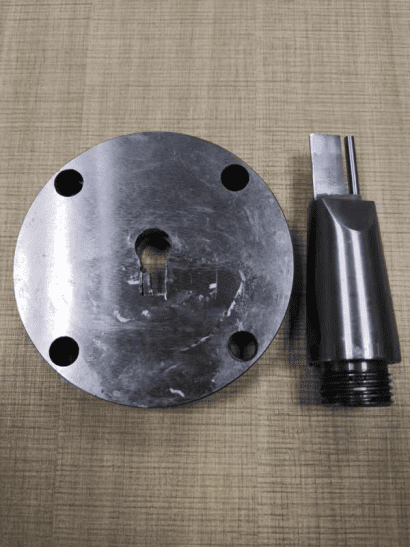
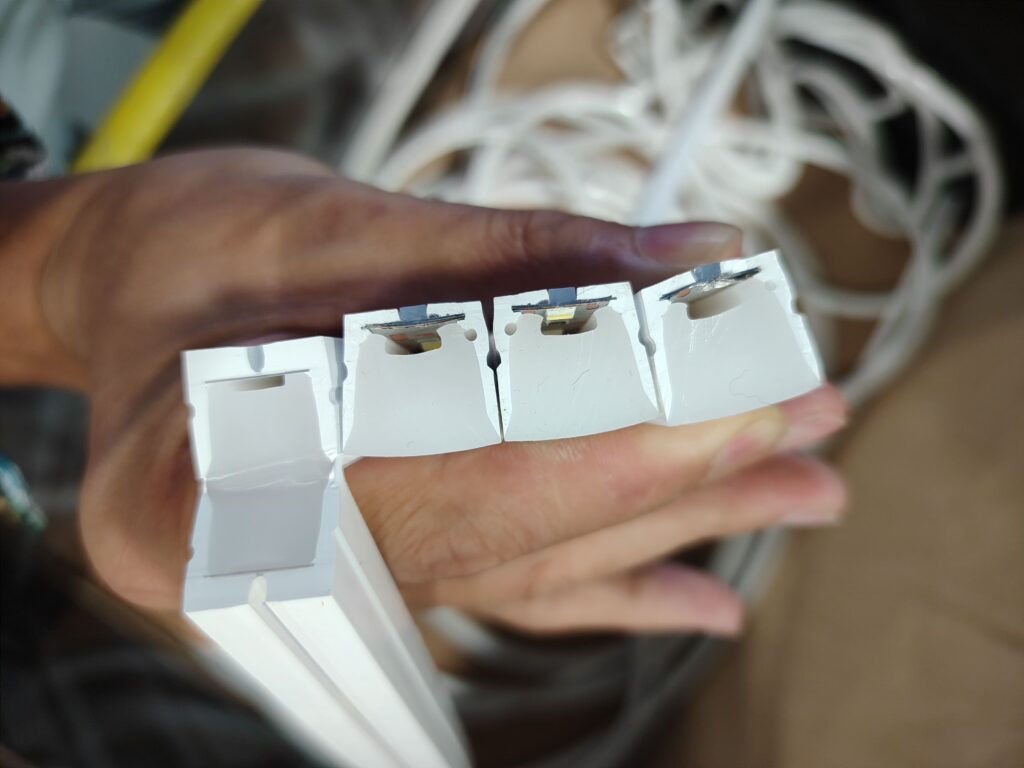
To dive deeper into the co-extrusion process, we must look at the “fusion zone.” This is the place inside the mold where the three colors meet. In a PVC machine, the plastic is so hot that it sticks together easily. In an LED silicone strip extrusion machine, we must control the pressure of each of the three extruders to make sure they “bond” without mixing. If the pressure is too high on the transparent side, it will push into the white side. This creates a “blurry” line that looks bad. I use my knowledge of electronics and PLC programming to create a synchronized torque control system. Each machine knows what the other is doing. I have worked on projects in Russia where we made 3-color 1615 strips that looked like they were made by a robot. The lines were as sharp as a knife. This is the power of the LED silicone strip extrusion machine. I also use “cross-sectional shape detection” to check the quality in real-time. We use a digital camera to look at the end of the strip as it comes out. If the shape changes by 0.1mm, the machine alerts the operator. This level of control is simply not possible with old PVC technology. I am very interested in the hardware process of these sensors. They are the “eyes” of the machine. By investing in this technology, you are making your factory a “productive force” that can compete with anyone in the world. I am Eason, and I am here to give you that advantage.
In conclusion, the switch from PVC to silicone is the most important decision you will make for your factory in 2026. The LED silicone strip extrusion machine offers a “cold extrusion, hot forming” process that produces a far superior product. You get better UV resistance, higher safety standards, and a more profitable product line. I have shared my stories and my technical knowledge to help you understand this transition. I am not just a salesman; I am an engineer who wants to see you succeed. From the manufacture in China to the installation in your factory, I will be your partner. Let’s leave the old PVC problems behind and build a bright, silicone-based future together.
Are you ready to see the difference for yourself? Do you want a custom machine proposal that shows exactly how you can switch to silicone? Don’t let your competitors get ahead of you. Send me your current PVC strip samples or your new design drawings today. I will provide a full quotation and a plan for your 14-day on-site training. Let’s work together to make your factory a leader in the neon flex industry.
Contact Eason at Silicon Extrusion Tech for a Technical Consultation